
Table of Contents
Tortilla Española: The Classic Spanish Omelet with Potatoes and Onions
Introduction
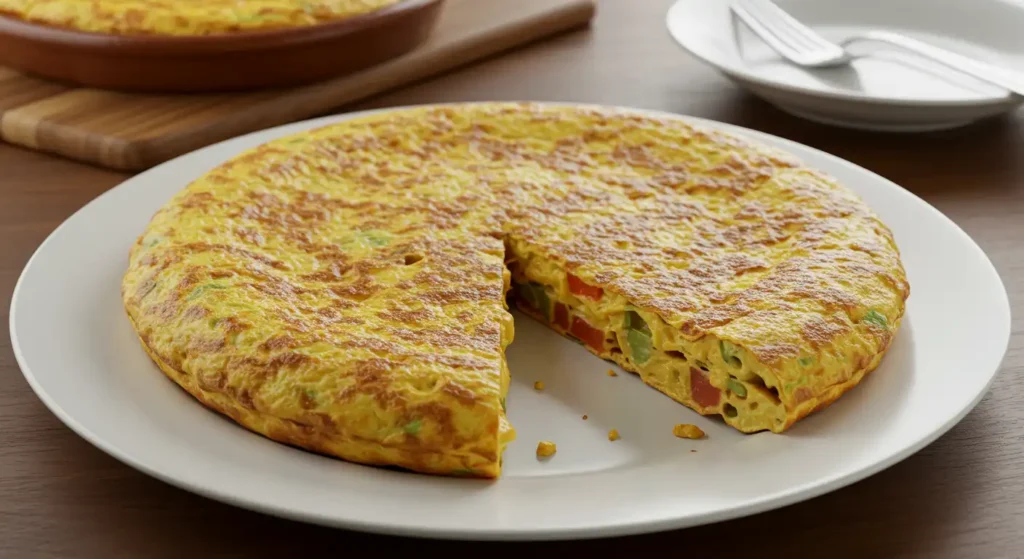
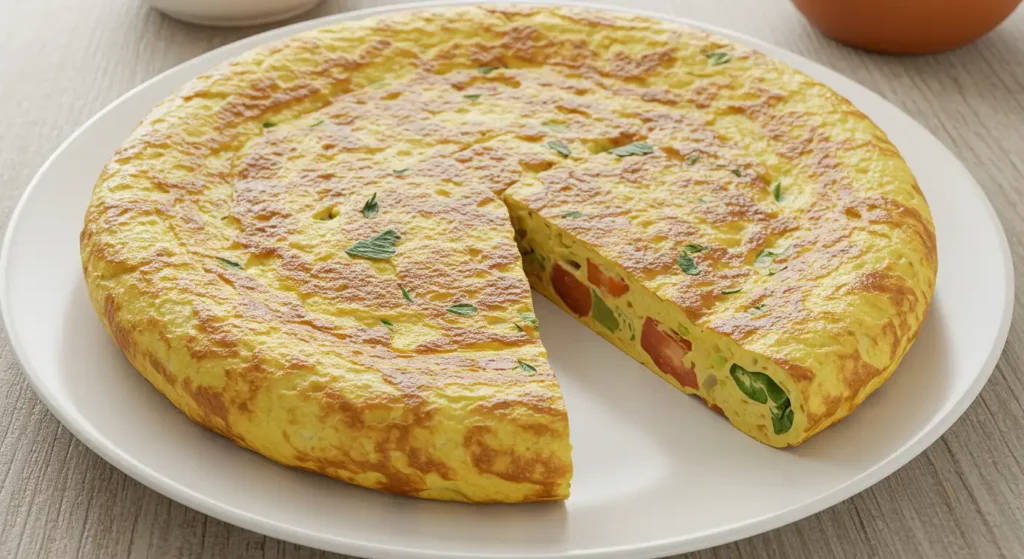
Few dishes capture the essence of Spanish home cooking quite like Tortilla Española, also known as the Spanish omelet. Made with just a handful of simple ingredients—eggs, potatoes, onions, and olive oil—this dish is proof that culinary magic doesn’t always require complexity.
Tortilla Española is not just food; it’s a symbol of Spanish culture, often found in tapas bars, family gatherings, and even picnics. Its versatility means it can be enjoyed warm or cold, as a main dish, snack, or appetizer. Whether you’re new to Spanish cuisine or simply curious about classic Mediterranean recipes, this iconic omelet is a great place to start.
History of Tortilla Española
The origins of the Spanish omelet are humble yet fascinating. The first written references date back to the 19th century, but stories suggest it may have been invented earlier in rural Spain. One legend attributes its creation to a general during the Carlist Wars, who needed a simple, nutritious meal for his soldiers.
At its core, the tortilla was a dish of necessity. Potatoes, which were introduced to Europe from the Americas, were cheap, filling, and easy to cook. Combined with eggs—another staple—it created a nourishing meal accessible to the common people.
Over time, the tortilla became more than just sustenance; it became a national treasure. Today, you’ll find countless variations across Spain, from the traditional potato-and-onion version to modern takes that include peppers, chorizo, or spinach. Still, the classic Tortilla Española with potatoes and onions remains the most beloved version.
Key Ingredients for Tortilla Española
The beauty of Tortilla Española lies in its simplicity. The dish requires just a few basic ingredients, but the quality of each makes a big difference.
Essential Ingredients
- Potatoes – Starchy potatoes (like Yukon Gold or similar) work best for a creamy texture.
- Onions – Sweet or yellow onions add flavor and depth. Some debates in Spain even center around whether onions belong in a tortilla—most agree they do!
- Eggs – Fresh eggs bind the dish together and give it its signature fluffy yet firm texture.
- Olive Oil – Spanish extra virgin olive oil is ideal, as it enriches both the frying and overall flavor.
- Salt – A simple seasoning that brings the ingredients to life.
Optional Additions
- Bell Peppers – For sweetness and color.
- Chorizo – Adds a smoky, meaty flavor.
- Spinach or Zucchini – To make a lighter, veggie-packed version.
- Herbs – Parsley or chives for freshness.
Step-by-Step Preparation of Tortilla Española
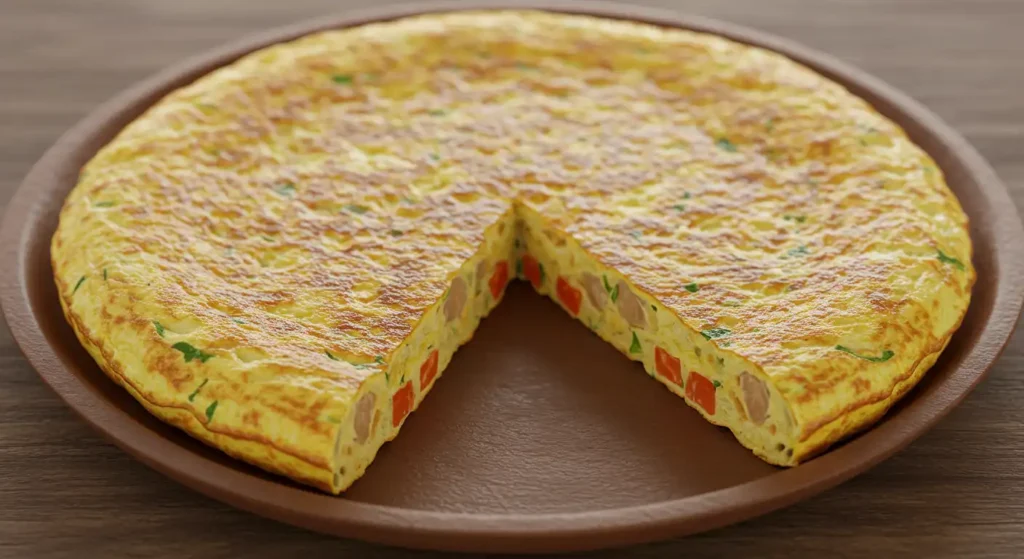
Making a Spanish omelet might seem intimidating at first, but with a little patience, it becomes second nature. Here’s how to prepare the perfect tortilla:
Step 1: Prepare the Potatoes and Onions
- Peel and thinly slice the potatoes. Cut them into half-moons or small cubes depending on your preference.
- Slice the onions thinly.
Step 2: Fry Gently in Olive Oil
- Heat a generous amount of olive oil in a large skillet over medium-low heat.
- Add the potatoes and onions. Cook slowly until the potatoes are tender and the onions are soft and golden. Stir occasionally, but avoid browning too much.
- Once done, drain the potatoes and onions, reserving a bit of the flavored oil for later.
Step 3: Beat the Eggs
- Crack the eggs into a large bowl and beat them with a pinch of salt.
- Add the cooked potatoes and onions to the eggs. Let the mixture sit for 5–10 minutes so the potatoes soak up the egg flavor.
Step 4: Cook the Tortilla
- Heat a nonstick skillet with a little reserved oil.
- Pour in the egg-potato-onion mixture and spread it evenly.
- Cook over medium heat until the bottom sets but the top is still slightly runny.
Step 5: The Famous Flip
- Place a large plate over the skillet, carefully flip the tortilla onto the plate, then slide it back into the pan to cook the other side.
- Continue cooking until the tortilla is firm but still slightly creamy in the center.
Step 6: Serve and Enjoy
- Let the tortilla rest for a few minutes before slicing.
- Serve warm or at room temperature, cut into wedges or small cubes for tapas.
Health Benefits of Tortilla Española
Beyond its delicious taste, Tortilla Española offers several health benefits, especially when made with high-quality ingredients like fresh vegetables and extra virgin olive oil.
1. Rich in Protein
Eggs are an excellent source of protein, which helps with muscle repair and keeps you feeling full longer.
2. Good Carbohydrate Source
Potatoes provide healthy carbohydrates, offering steady energy without the spikes caused by processed foods.
3. Heart-Healthy Fats
Olive oil, a cornerstone of the Mediterranean diet, is rich in monounsaturated fats and antioxidants that promote cardiovascular health.
4. Nutrient-Dense
Potatoes and onions are packed with vitamins and minerals such as vitamin C, potassium, and dietary fiber.
5. Versatile for Different Diets
Tortilla Española can be adapted to suit different needs—vegetarian, gluten-free, and even lower-calorie versions by reducing the oil.

Tips for Making the Perfect Tortilla Española
- Use low to medium heat when cooking the potatoes and onions to avoid burning and to achieve a silky texture.
- Don’t rush the cooking; patience brings out the natural sweetness of the onions.
- For a creamier tortilla, cook the eggs slightly less; for a firmer version, leave it longer on the heat.
- Always let the mixture rest before cooking—it helps the flavors meld.
Tortilla Española in Spanish Culture
In Spain, tortilla is more than food—it’s tradition. You’ll find it in tapas bars across the country, often served alongside bread, salads, or even sandwiched inside a crusty baguette (known as a bocadillo de tortilla).
It’s a dish that fits every occasion:
- At home for a quick family meal.
- At parties cut into small cubes for guests.
- At picnics because it travels well and tastes just as good cold.
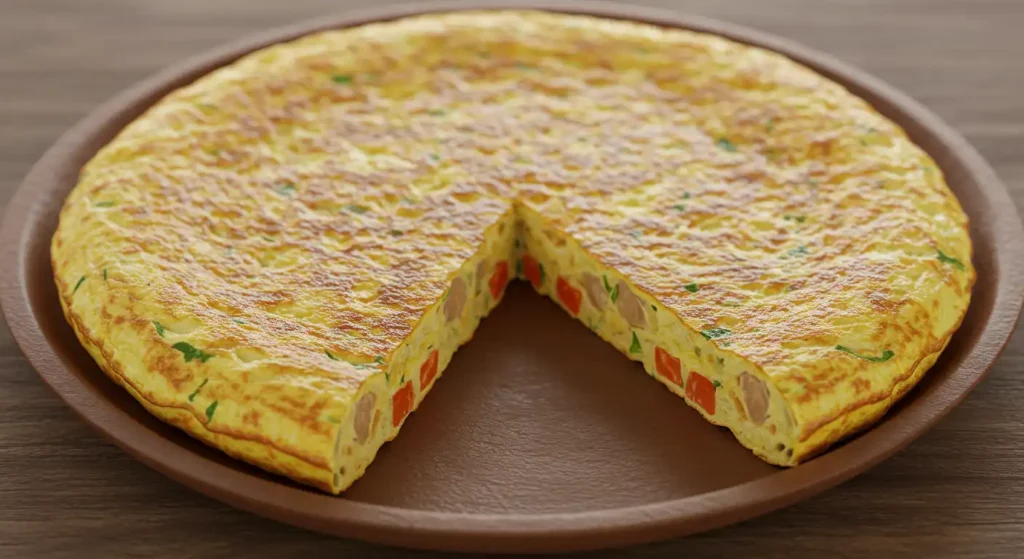
Each region and household has its own version, and the debate over “with onions or without onions” continues to this day. Regardless of the variation, the tortilla remains a beloved comfort food and cultural icon.
Conclusion
Tortilla Española is a perfect example of how simple ingredients, when treated with care, can create something extraordinary. With just potatoes, onions, eggs, and olive oil, you can make a dish that’s nourishing, versatile, and deeply rooted in Spanish tradition.
Why not try making one at home? And if you enjoy the satisfaction of creating something wholesome from scratch, consider pairing your tortilla with freshly baked sourdough bread. The rustic flavors of sourdough complement the rich, comforting omelet beautifully.
So, grab some eggs and potatoes, fire up your skillet, and bring a taste of Spain into your kitchen—then let it inspire your next sourdough baking adventure!