
Sweet and Sour Pork (糖醋里脊): A Classic Chinese Delight
Table of Contents
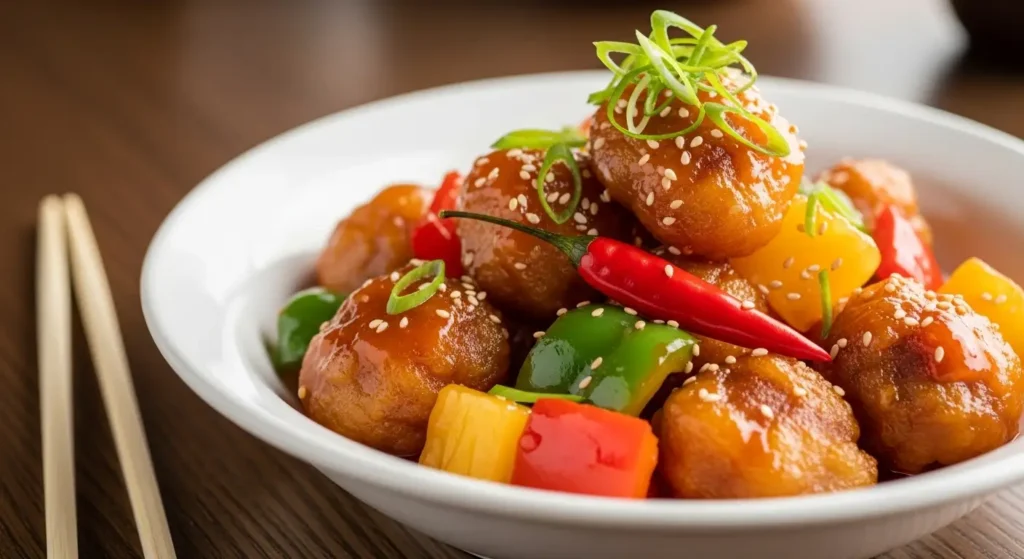
Sweet and Sour Pork, or 糖醋里脊 (táng cù lǐ jǐ) in Mandarin, is one of the most beloved dishes in Chinese cuisine. Its vibrant red hue, crispy texture, and harmonious balance of tangy and sweet flavors make it a favorite in homes and restaurants alike. This dish perfectly showcases the genius of Chinese cooking—combining textures, flavors, and visual appeal in one plate.
Whether you’re a seasoned cook or a beginner in Chinese cuisine, Sweet and Sour Pork is approachable and incredibly rewarding to make at home. In this guide, we’ll explore the history, essential ingredients, step-by-step preparation, and health benefits of this iconic dish.
History of Sweet and Sour Pork
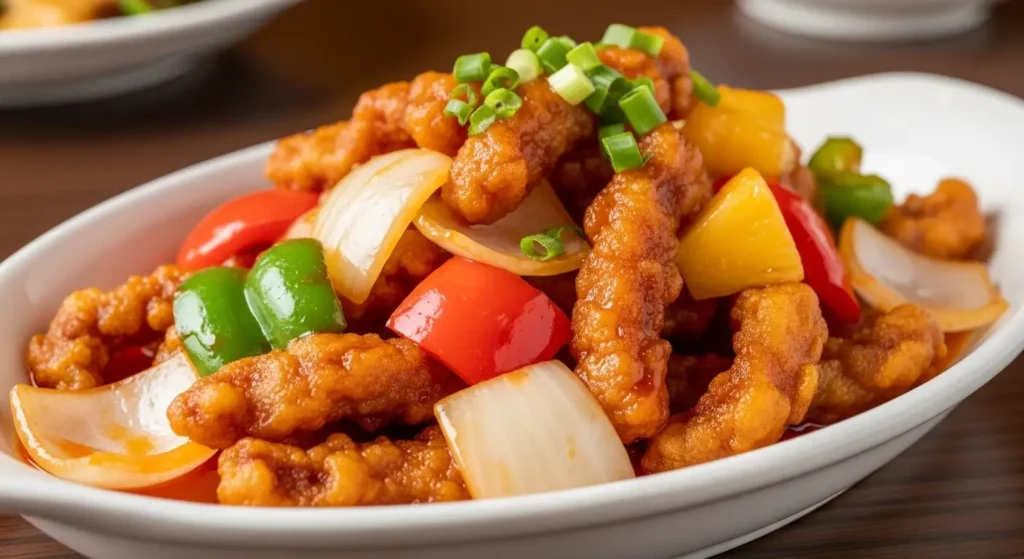
Sweet and Sour Pork has a rich history that dates back to the Cantonese culinary tradition of southern China. Cantonese cuisine emphasizes the balance of flavors—sweet, salty, sour, and savory—which is exactly what this dish achieves.
The earliest versions of sweet and sour pork appeared during the Qing Dynasty (1644–1912). Originally, it was made using pork tenderloin, coated in a thin batter, deep-fried, and tossed in a vibrant sauce made from vinegar, sugar, and soy sauce. Over time, it evolved, especially in Western Chinese restaurants, to become the globally recognized dish we know today.
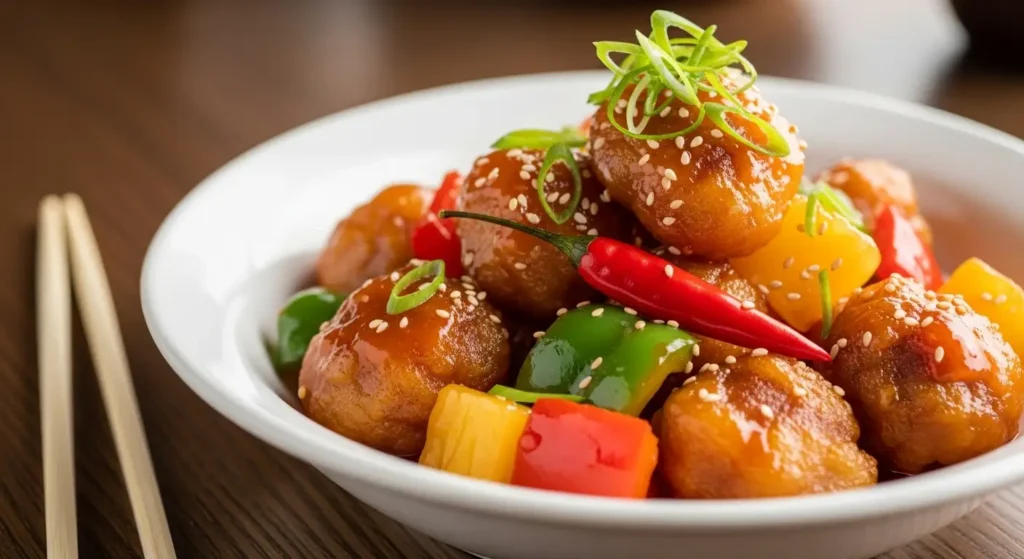
Its widespread popularity is not only due to its taste but also its visual appeal. The glossy, reddish-orange coating makes it a feast for the eyes as much as for the taste buds, often served at festive occasions and banquets.
Ingredients for Sweet and Sour Pork
To make authentic Sweet and Sour Pork at home, you’ll need a mix of fresh ingredients and pantry staples. Here’s a breakdown:
For the Pork:
- Pork tenderloin – 500g, cut into bite-sized strips
- Egg – 1, beaten
- Cornstarch or potato starch – 4 tablespoons, for coating
- Salt and white pepper – to taste
- Cooking oil – for deep-frying
For the Sweet and Sour Sauce:
- Ketchup – 3 tablespoons
- White vinegar – 2 tablespoons
- Sugar – 2 tablespoons (adjust to taste)
- Soy sauce – 1 tablespoon
- Water – ½ cup
- Cornstarch slurry – 1 teaspoon cornstarch mixed with 2 teaspoons water, for thickening
Optional Vegetables for Extra Flavor:
- Bell peppers – sliced
- Pineapple chunks – adds natural sweetness
- Onion – sliced
These ingredients are easy to find in most grocery stores, making Sweet and Sour Pork a practical dish for home cooks looking to try authentic Chinese flavors without complex sourcing.
Step-by-Step Preparation of Sweet and Sour Pork
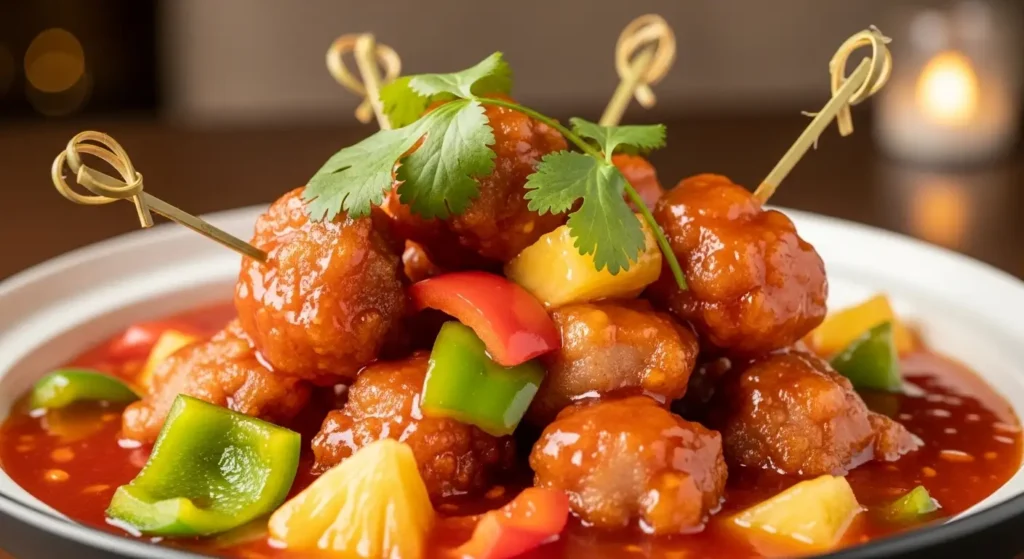
Making Sweet and Sour Pork involves a few stages: preparing the pork, frying it to perfection, and creating a flavorful sauce. Here’s a beginner-friendly guide.
Step 1: Prepare the Pork
- Slice the pork tenderloin into even bite-sized strips. Uniform sizes ensure even cooking.
- Season the pork lightly with salt and white pepper.
- Coat the pork strips in beaten egg, then dredge in cornstarch or potato starch. Ensure each piece is fully coated for a crisp exterior.
Step 2: Fry the Pork
- Heat cooking oil in a wok or deep pan to around 170–180°C (340–355°F).
- Fry the pork strips in batches to avoid overcrowding. Fry for 3–5 minutes until golden brown and crispy.
- Remove the pork from the oil and drain on paper towels to remove excess oil.
Step 3: Make the Sweet and Sour Sauce
- In a clean pan or wok, combine ketchup, vinegar, sugar, soy sauce, and water.
- Heat over medium flame, stirring until the sugar dissolves.
- Add the cornstarch slurry to thicken the sauce. Stir continuously to prevent lumps.
- If using vegetables like bell peppers, onions, or pineapple, stir-fry them briefly before adding the sauce for extra texture and flavor.
Step 4: Combine Pork and Sauce
- Add the fried pork strips to the sauce.
- Toss gently to coat each piece evenly with the glossy sweet and sour sauce.
- Cook for 1–2 minutes to let the flavors meld.
- Serve immediately over steamed rice or as part of a larger meal.
Health Benefits of Sweet and Sour Pork
While Sweet and Sour Pork is often considered a treat, it can still offer some nutritional benefits when prepared
1. High-Quality Protein
Pork tenderloin is lean and rich in protein, essential for muscle growth, repair, and overall energy. Choosing tenderloin over fattier cuts reduces calorie content while retaining protein benefits.
2. Essential Vitamins and Minerals
Pork provides B vitamins (especially B12), which are vital for brain function and energy metabolism. It also contains minerals like zinc and selenium, which support immunity and overall health.
3. Nutritional Boost from Vegetables
Adding bell peppers, onions, and pineapple enhances the fiber, vitamins, and antioxidants in the dish. Bell peppers are particularly rich in vitamin C, boosting immunity and skin health.
4. Portion Control Matters
Frying adds calories, but by controlling oil usage, frying in batches, or even baking the pork instead of deep-frying, you can enjoy a healthier version without sacrificing flavor.
Moderation is key, making Sweet and Sour Pork an enjoyable dish that can be part of a balanced diet.
Tips for Perfect Sweet and Sour Pork
- Double frying: For an extra crispy texture, fry the pork twice—first at a lower temperature to cook through, then at a higher temperature for crispiness.
- Sauce balance: Taste and adjust sugar or vinegar in the sauce according to your preference. The hallmark of this dish is the perfect balance between sweet and tangy.
- Serve immediately: Sweet and Sour Pork is best enjoyed fresh. The sauce tends to soften the pork over time, so serve it right after cooking.
- Experiment with flavors: Pineapple, bell peppers, or even carrots can be added for extra crunch and natural sweetness.
Why Sweet and Sour Pork is a Must-Try Dish
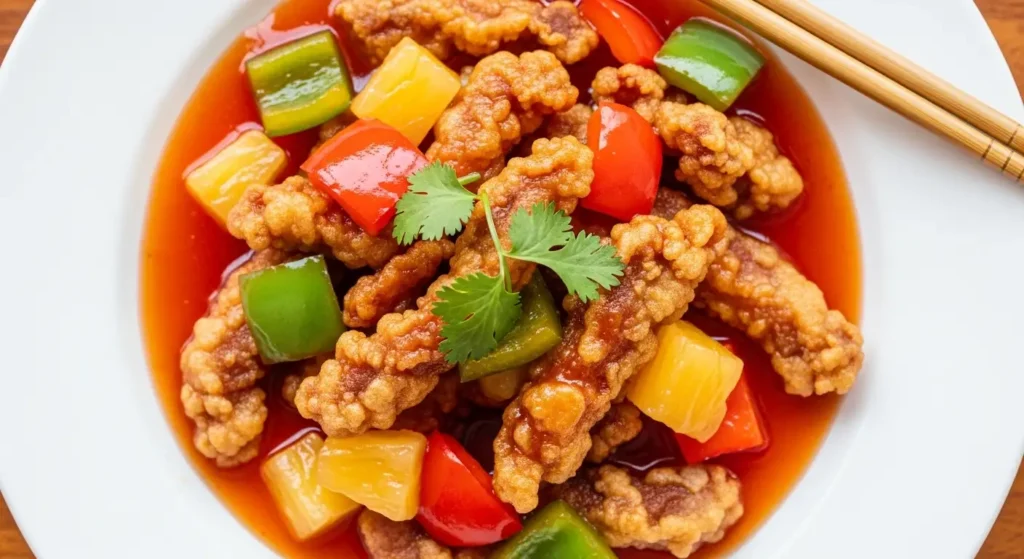
Sweet and Sour Pork is more than just a tasty dish—it’s a celebration of Chinese culinary artistry. Its combination of crispy pork, vibrant sauce, and optional vegetables creates a perfect balance of taste, texture, and color.
For beginners, this dish is an excellent introduction to Chinese cooking techniques like deep-frying, making sauces, and balancing flavors. It’s also highly adaptable, allowing home cooks to tweak sweetness, sourness, and texture to their liking.
Cooking Sweet and Sour Pork at home not only gives you a delicious meal but also provides a sense of accomplishment—bringing a classic Chinese dish to your table with your personal touch.
Conclusion
Sweet and Sour Pork (糖醋里脊) is a timeless Chinese classic that delights both the eyes and the palate. Its crispy exterior, tender meat, and harmonious sweet-tangy sauce make it a crowd-pleaser in any setting. With the right ingredients, careful preparation, and a few handy tips, anyone can recreate this iconic dish at home.
If you’ve ever wanted to explore Chinese cuisine, Sweet and Sour Pork is the perfect starting point. Don’t be intimidated by frying or sauce-making—it’s easier than it seems, and the results are incredibly rewarding. Gather your ingredients, follow the steps, and enjoy this vibrant, flavorful dish with family and friends.
Cooking Sweet and Sour Pork at home might even inspire you to try other culinary adventures, like experimenting with different Chinese sauces or even attempting homemade sourdough breads to pair with your meals!
Good