
Patatas Bravas: Spain’s Spicy and Irresistible Potato Tapas
Table of Contents
Introduction
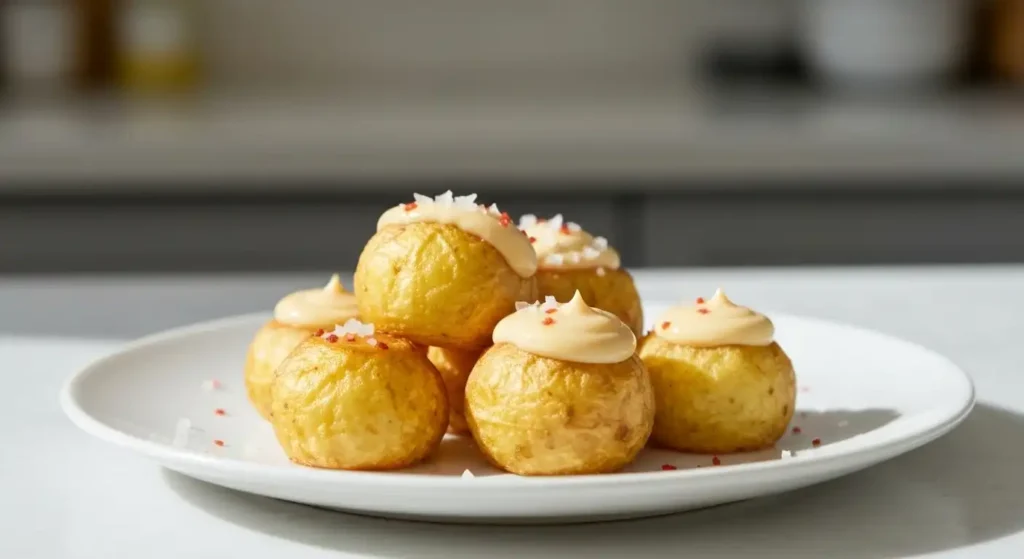
When you think of Spanish tapas, one dish almost always comes to mind: Patatas Bravas. Golden cubes of fried potatoes topped with spicy tomato sauce and creamy aioli, this iconic tapa is simple, flavorful, and endlessly satisfying. Served in bars and restaurants across Spain, it’s a true crowd-pleaser that pairs perfectly with good conversation and a chilled glass of wine.
What makes Patatas Bravas so special is its balance of textures and flavors—crispy potatoes, smoky-spicy sauce, and cool, garlicky aioli. In this article, we’ll uncover the history of this beloved dish, explore its essential ingredients, walk through a step-by-step preparation guide, and highlight some surprising health benefits. By the end, you’ll be inspired to make your own version at home—perhaps even alongside a loaf of homemade sourdough bread.
History of Patatas Bravas
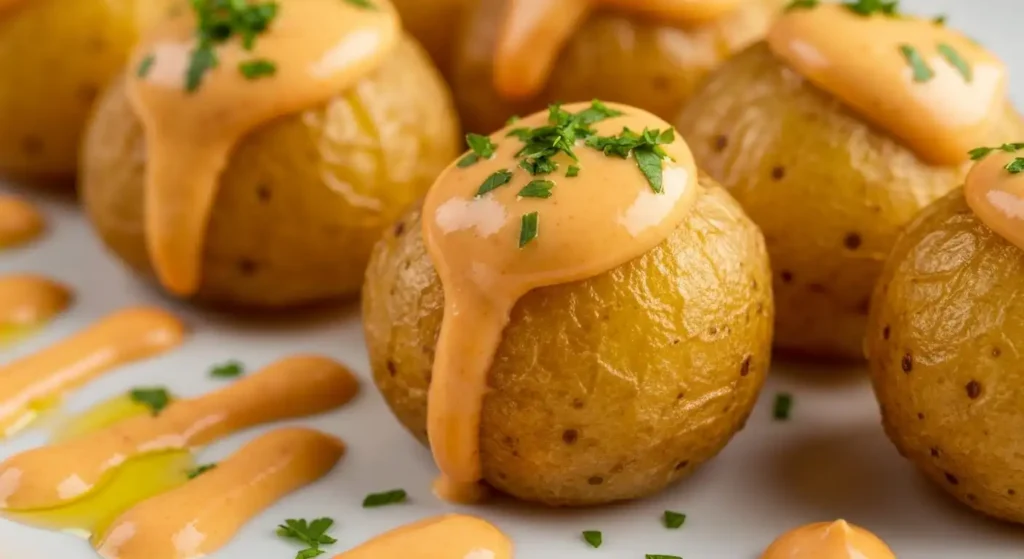
The origins of Patatas Bravas can be traced back to Madrid in the mid-20th century. The dish first gained popularity in taverns, where fried potatoes were served with a fiery sauce to encourage customers to drink more wine or beer. The name “bravas,” meaning “fierce” or “brave,” refers to the spicy kick of the sauce.
Over time, the dish spread across Spain, with each region adding its own twist. Some serve it with only tomato-based sauce, others include aioli, and some variations even feature paprika-infused oils. Despite these differences, Patatas Bravas remains a symbol of Spanish tapas culture—affordable, delicious, and perfect for sharing.
Key Ingredients for Patatas Bravas
For the Potatoes
- Potatoes – Starchy potatoes like Russet or Yukon Gold for a fluffy interior and crisp exterior.
- Olive Oil – For frying; gives authentic Mediterranean flavor.
- Salt – To season and enhance flavor.
For the Bravas Sauce (Spicy Tomato Sauce)
- Olive Oil – A base for cooking the sauce.
- Onion and Garlic – For aromatic depth.
- Tomatoes – Fresh or canned, for a rich, tangy base.
- Smoked Paprika (Pimentón) – The signature Spanish spice that gives bravas their smoky flavor.
- Cayenne Pepper or Chili Flakes – For heat.
- Vinegar – To balance acidity.
- Salt and Sugar – To season and round out flavors.
For the Aioli (Garlic Mayonnaise)
- Garlic – Fresh cloves, crushed.
- Egg Yolk – For emulsification.
- Olive Oil – Slowly drizzled in to create a creamy texture.
- Lemon Juice or Vinegar – For tang.
- Salt – To taste.

Step-by-Step Preparation of Patatas Bravas
Step 1: Prepare the Potatoes
- Peel and cut the potatoes into bite-sized cubes.
- Rinse under cold water to remove excess starch.
- Pat dry with a kitchen towel to ensure crisp frying.
Step 2: Fry the Potatoes
- Heat olive oil in a deep skillet or fryer.
- Fry the potatoes twice for extra crispiness:
- First fry at a lower temperature (around 150°C / 300°F) until tender.
- Remove, drain, then fry again at a higher temperature (around 180°C / 350°F) until golden and crisp.
- Drain on paper towels and sprinkle generously with salt.
Step 3: Make the Bravas Sauce
- Heat olive oil in a pan and sauté onion and garlic until soft.
- Add smoked paprika and cayenne pepper; stir briefly to release aromas.
- Stir in tomatoes and simmer until thickened.
- Season with vinegar, sugar, and salt to taste.
- Blend the sauce for a smooth consistency (optional).
Step 4: Make the Aioli
- Crush garlic into a paste.
- Whisk egg yolk with garlic, then slowly drizzle in olive oil while whisking continuously until creamy.
- Add lemon juice and salt to taste.
(Shortcut: Use good-quality mayonnaise as a base and add garlic and lemon for a quick aioli.)
Step 5: Assemble the Dish
- Place the crispy potatoes on a serving plate.
- Spoon over the spicy tomato sauce.
- Drizzle with aioli for a creamy finish.
- Garnish with fresh parsley (optional).
Health Benefits of Patatas Bravas
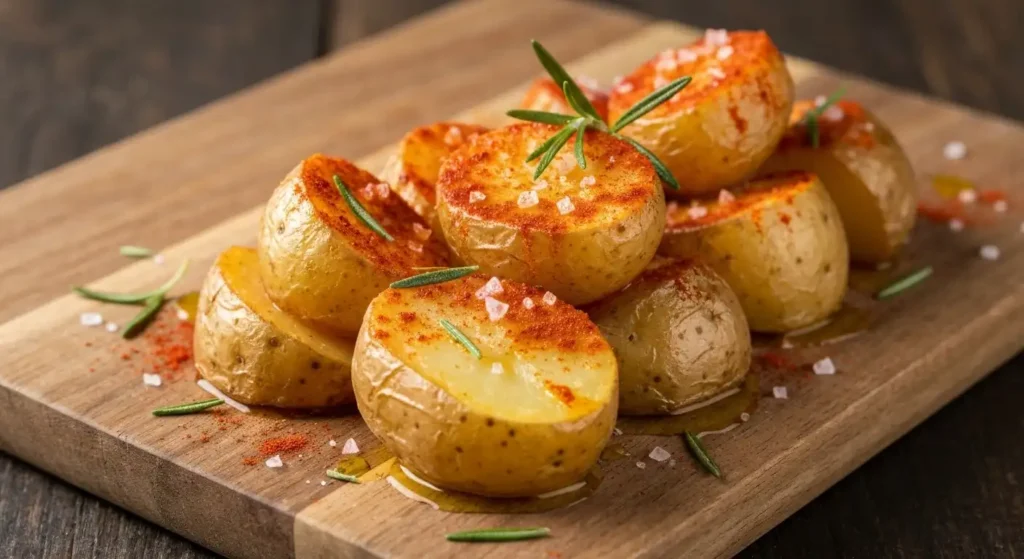
While Patatas Bravas is undeniably indulgent, it offers some surprising health benefits when made with wholesome ingredients.
1. Rich in Antioxidants
Tomatoes and paprika are loaded with antioxidants like lycopene and capsaicin, which support heart health and fight inflammation.
2. Heart-Healthy Fats
Using extra virgin olive oil provides monounsaturated fats that help reduce bad cholesterol levels.
3. Energy Boosting
Potatoes are a great source of complex carbohydrates, providing steady energy.
4. Immune Support
Garlic and onions in both the sauce and aioli have antimicrobial and immune-boosting properties.
5. Naturally Gluten-Free
When prepared traditionally, Patatas Bravas is gluten-free, making it suitable for those with gluten sensitivities.
Tips for Perfect Patatas Bravas
- Always fry twice for the crispiest potatoes.
- Use smoked Spanish paprika for authentic flavor.
- Don’t overcrowd the frying pan—it lowers the oil temperature and makes potatoes soggy.
- Make the sauces ahead of time; they taste even better once the flavors meld.
- Serve immediately for the best texture and taste.
Patatas Bravas in Spanish Culture
In Spain, Patatas Bravas is more than a dish—it’s a social experience. Found in almost every tapas bar, it’s meant to be shared among friends and family, often accompanied by drinks. The dish captures the essence of Spanish dining: simple, bold, and communal.
Regional variations also showcase Spain’s culinary diversity. In Catalonia, the sauce is often spicier; in Madrid, the tomato sauce takes center stage; in Valencia, aioli plays a more prominent role. No matter where you are, though, Patatas Bravas is a dish that brings people together.
Conclusion
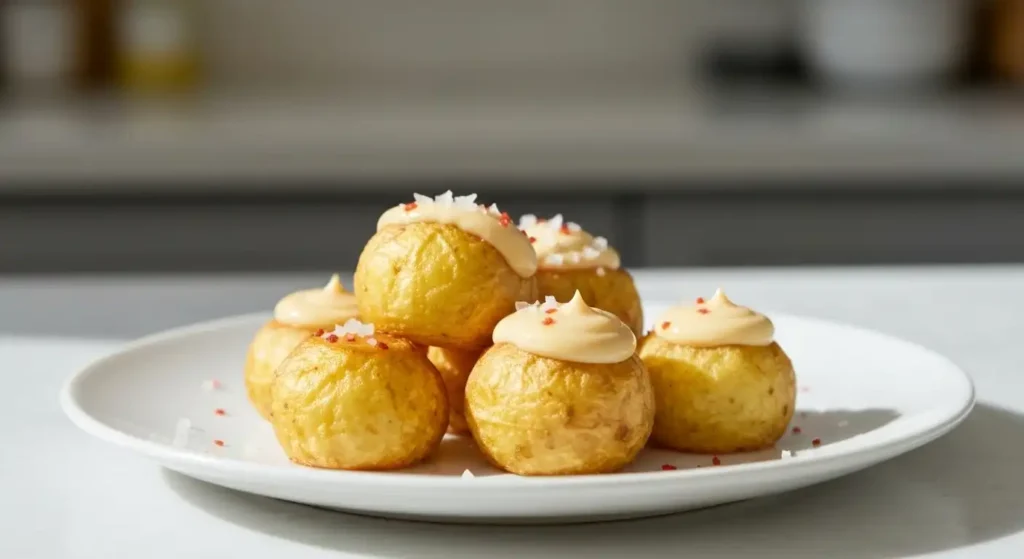
Patatas Bravas is a true star of Spanish tapas—crispy potatoes, spicy sauce, and creamy aioli all in one bite. It’s proof that simple ingredients, when prepared with care, can create something unforgettable.
Why not try making it at home? And if you’re already diving into homemade cooking, consider pairing your Patatas Bravas with freshly baked sourdough bread. The rustic loaf complements the bold, spicy flavors beautifully and adds another layer of satisfaction to your meal.
So, gather your potatoes, fire up the stove, and bring a taste of Spain to your table—then let sourdough baking be your next culinary adventure!