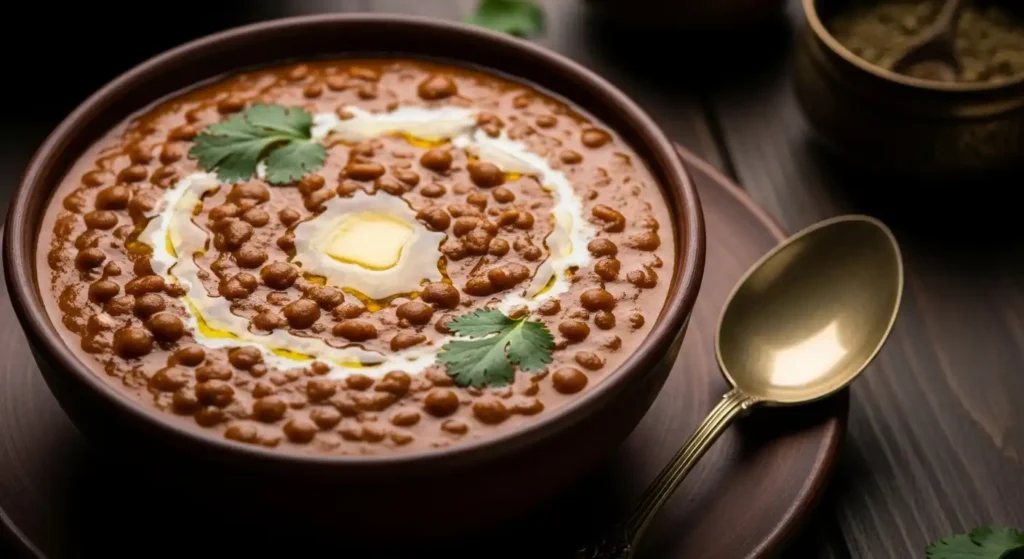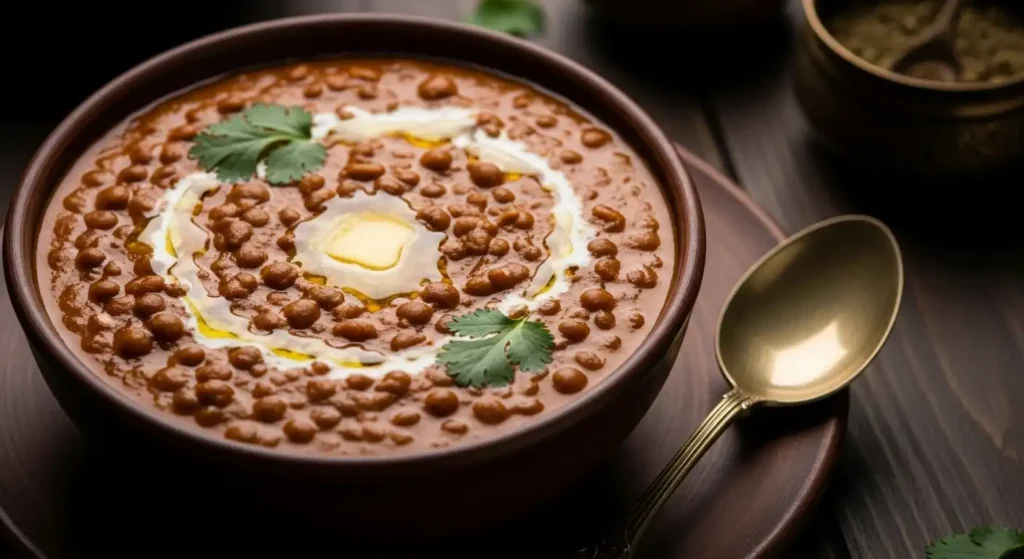
Dal Makhani: Creamy Black Lentils Simmered with Butter and Spices
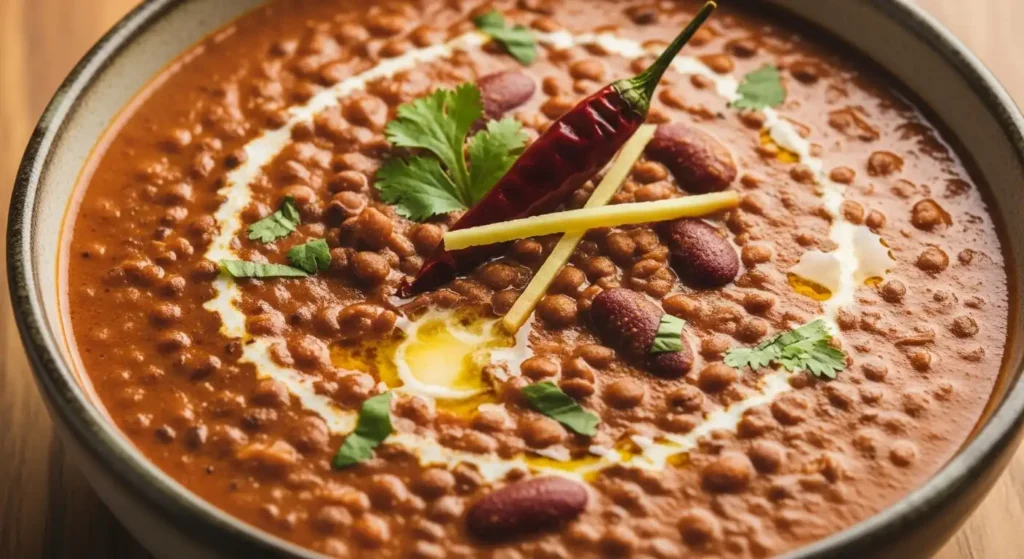
Few dishes in Indian cuisine are as iconic and beloved as Dal Makhani. This rich, creamy preparation made with whole black lentils (urad dal) and kidney beans, slowly simmered with butter, cream, and a medley of spices, has become synonymous with comfort and celebration.
From fine-dining restaurants to roadside dhabas in Punjab, Dal Makhani is a dish that unites food lovers across India and beyond. Served with naan, roti, or a bowl of fragrant basmati rice, it’s more than just food—it’s an experience.
In this guide, we’ll take a closer look at the history of Dal Makhani, its key ingredients, a step-by-step recipe, and the health benefits of this timeless dish. Whether you’re new to Indian cooking or already a fan, you’ll find this hearty lentil curry approachable and rewarding to make at home.
History of Dal Makhani
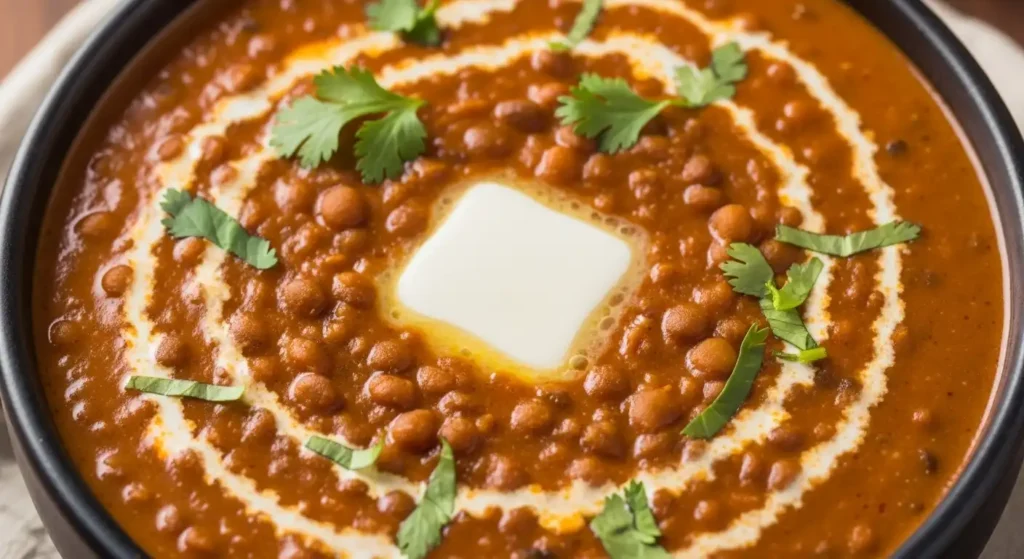
The origins of Dal Makhani trace back to Punjab in Northern India. Traditionally, black lentils (urad dal) were cooked slowly overnight on a clay tandoor, allowing the flavors to deepen and develop a smoky richness. The dish gained its creamy identity when Punjabi chefs began finishing it with white butter (makhan) and fresh cream, creating the velvety texture we now associate with Dal Makhani.
While lentils had been a staple food in India for centuries, the innovation of adding butter and cream is believed to have gained prominence in the mid-20th century. The legendary Moti Mahal restaurant in Delhi played a pivotal role in popularizing Dal Makhani alongside dishes like Butter Chicken.
Today, Dal Makhani is celebrated not only in India but also across the globe, often featured in Indian restaurants as a signature dish. Its luxurious taste and comforting feel have made it a favorite at family dinners, weddings, and festivals alike.
Ingredients for Dal Makhani
The secret to a perfect Dal Makhani lies in fresh spices, quality lentils, and slow cooking. Here’s what you’ll need:
Main Ingredients
- 1 cup whole black lentils (urad dal)
- ¼ cup red kidney beans (rajma)
- 3 large tomatoes, pureed
- 2 medium onions, finely chopped
- 2 tablespoons ginger-garlic paste
- 2–3 green chilies, slit
- 3 tablespoons butter (plus extra for garnish)
- 2 tablespoons fresh cream
- 2 tablespoons ghee or oil
Whole Spices
- 1 bay leaf
- 2–3 cloves
- 2–3 green cardamoms
- 1 cinnamon stick
- 1 teaspoon cumin seeds
Ground Spices
- 1 teaspoon turmeric powder
- 1½ teaspoons red chili powder
- 1 teaspoon coriander powder
- 1 teaspoon cumin powder
- 2 teaspoons garam masala
- Salt to taste
Garnish
- Fresh cream swirl
- Fresh coriander leaves, chopped
Step-by-Step Preparation of Dal Makhani
Authentic Dal Makhani is about patience and slow cooking. But don’t worry—even with modern kitchen tools, you can achieve restaurant-style results at home.
Step 1: Soak and Cook the Lentils
- Wash and soak urad dal and rajma overnight (8–10 hours). This helps soften them and ensures even cooking.
- Drain and pressure cook with 4–5 cups of water and a pinch of salt until soft (about 6–7 whistles). If you don’t have a pressure cooker, use an Instant Pot or cook on the stovetop until tender.
Step 2: Prepare the Masala Base
- Heat ghee or oil in a deep pan.
- Add cumin seeds, bay leaf, cardamom, cloves, and cinnamon. Sauté until aromatic.
- Add onions and cook until golden brown.
- Stir in ginger-garlic paste and green chilies. Cook for 2 minutes.
- Add tomato puree and cook until oil begins to separate from the masala.
Step 3: Add Spices and Lentils
- Mix in turmeric, chili powder, coriander powder, and cumin powder. Cook for a few minutes.
- Add the cooked lentils and kidney beans along with their cooking liquid.
- Stir well and let the dal simmer on low heat for 30–40 minutes, stirring occasionally. (This slow cooking develops depth of flavor.)
Step 4: Finish with Butter and Cream
- Add butter and cream, stirring gently until well incorporated.
- Sprinkle garam masala and simmer for another 10 minutes.
- Adjust salt and spice levels to taste.
Step 5: Garnish and Serve
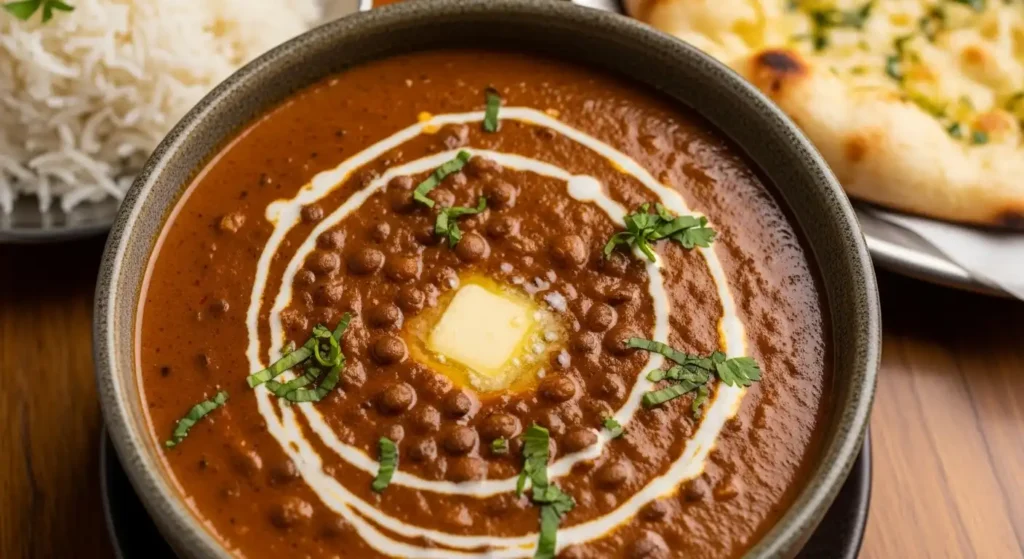
- Garnish with a swirl of cream and fresh coriander leaves.
- Serve hot with naan, paratha, or steamed basmati rice.
Health Benefits of Dal Makhani
While Dal Makhani is considered rich and indulgent, it also comes with several nutritional benefits when enjoyed in moderation:
1. Protein-Packed
Urad dal and kidney beans are excellent sources of plant-based protein, making Dal Makhani a great option for vegetarians and vegans (when made without cream or butter).
2. High in Fiber
Both lentils and beans are loaded with dietary fiber, which supports digestion, regulates blood sugar, and keeps you full longer.
3. Rich in Iron and Folate
Lentils provide essential minerals like iron, magnesium, and folate, which are important for energy and overall health.
4. Heart-Healthy Spices
Spices like cumin, turmeric, and cinnamon have antioxidant and anti-inflammatory properties, supporting immunity and heart health.
5. Balanced Indulgence
While butter and cream add richness, you can easily control the amount used or substitute with yogurt or plant-based cream for a lighter version.
Tips for Perfect Dal Makhani
Variations of Dal Makhani
- Vegan Dal Makhani: Replace butter and cream with coconut cream or cashew cream.
- Restaurant-Style Dal Makhani: Extra butter and cream for a more decadent flavor.
- Everyday Dal Makhani: Use less butter and skip cream for a healthier, lighter version.
- Spicy Version: Increase chili powder and add green chilies for extra heat.
Why Dal Makhani Is a Classic Comfort Food
Dal Makhani isn’t just about flavor—it’s about warmth, comfort, and tradition. Its creamy texture and rich spices make it perfect for celebrations, while its nourishing lentils keep it grounded as an everyday dish. It’s one of those recipes that brings families together, reminding us of home and hospitality.
Conclusion
Dal Makhani is more than just lentils cooked with butter and cream—it’s a symbol of India’s culinary richness. With its origins in Punjab and its widespread popularity across the globe, this dish has earned its place as a timeless classic.
Next time you want to enjoy a cozy, flavorful meal, try cooking Dal Makhani at home. And for a creative twist, pair it with freshly baked sourdough bread—the tangy notes of sourdough beautifully balance the creamy richness of the dal. Who knows, it might just inspire you to try sourdough baking yourself!