
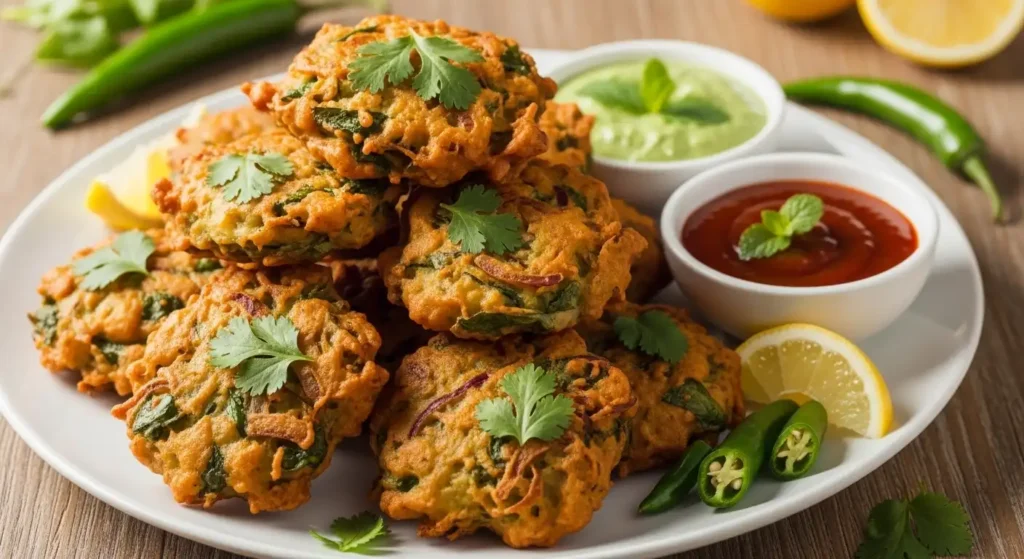
Pakoras / Bhajis – Deep-Fried Vegetables Coated in Gram Flour Batter
Table of Contents
Introduction
Few foods capture the warmth and comfort of Indian street food quite like pakoras (also known as bhajis). Crispy on the outside, soft and flavorful inside, pakoras are deep-fried fritters made from vegetables coated in a spiced gram flour (besan) batter. Served hot with chutneys or alongside a steaming cup of chai, pakoras are a staple during rainy days, festive gatherings, and even as casual evening snacks.
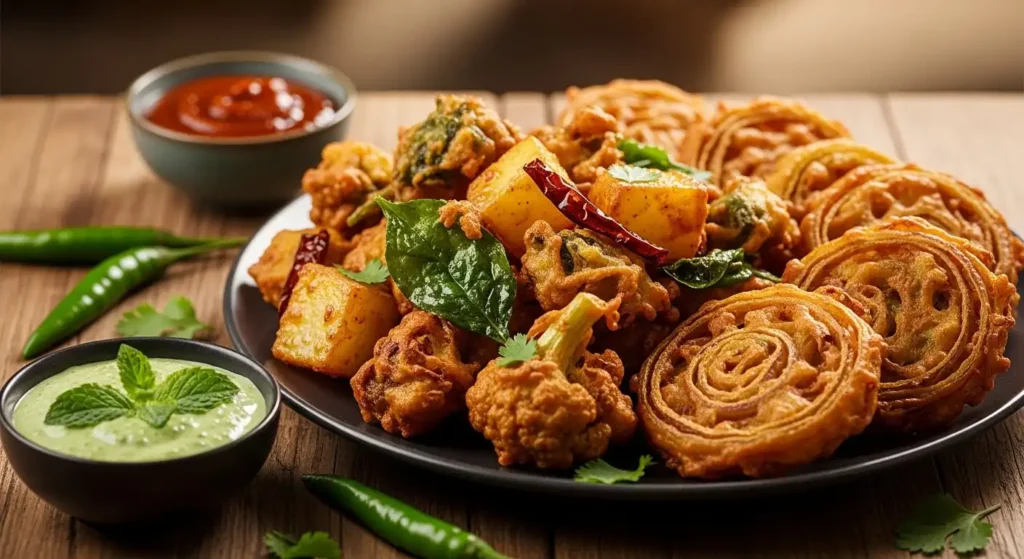
Known for their crunchy bite and wide variety of flavors, pakoras are loved across India, Pakistan, and Bangladesh. In the UK, the term “onion bhaji” has become popular, often served in Indian restaurants as a starter. But pakoras extend far beyond onions—potatoes, spinach, paneer, cauliflower, and even chili peppers can all be turned into delicious fritters.
In this blog, we’ll explore the history of pakoras, dive into the ingredients that make them so special, guide you through a step-by-step preparation, and highlight their health benefits. Whether you’re a beginner in the kitchen or a food enthusiast looking to recreate authentic flavors, this guide is for you.
History of Pakoras / Bhajis
The origin of pakoras can be traced back centuries, rooted in the rich tradition of Indian street food and home cooking. The word “pakora” comes from the Sanskrit word pakvavaṭa, meaning “cooked small lump.” In northern India and Pakistan, the term “pakora” is more common, while in southern India, they are often called bhajis or bajjis.
Pakoras became popular due to their simplicity and affordability. Vegetables, gram flour (a staple ingredient), and spices were readily available to households, making pakoras an easy way to turn basic ingredients into something indulgent. Street vendors quickly adopted them, offering hot pakoras to busy travelers, workers, and students at a low cost.
Over time, regional variations emerged:
- Onion Pakora (Pyaz Pakoda / Onion Bhaji) – Popular in North India and the UK.
- Paneer Pakora – Cubes of paneer dipped in batter, a rich vegetarian treat.
- Mirchi Bajji – Large green chilies stuffed and fried, popular in Hyderabad.
- Palak Pakora – Spinach leaves dipped in batter and fried until crispy.
- Mix Veg Pakora – A combination of different seasonal vegetables.
Today, pakoras are enjoyed worldwide, from Indian street corners to global restaurants, embodying comfort food at its finest.
Ingredients for Pakoras
The beauty of pakoras lies in their flexibility—you can make them with whatever vegetables or fillings you have on hand.
Core Ingredients for the Batter:
- 1 cup gram flour (besan)
- 2 tablespoons rice flour (for extra crispiness)
- ½ teaspoon turmeric powder
- ½ teaspoon red chili powder
- ½ teaspoon coriander powder
- ½ teaspoon cumin seeds (optional, for earthy flavor)
- Pinch of carom seeds (ajwain) – aids digestion
- Salt to taste
- Water – enough to make a smooth, thick batter
Popular Vegetables for Pakoras:
- Onions (sliced into thin strips)
- Potatoes (thinly sliced rounds)
- Cauliflower florets
- Spinach leaves
- Eggplant slices
- Paneer cubes
- Green chilies (for Mirchi Bajji)
For Serving:
- Green chutney – fresh and spicy
- Tamarind chutney – tangy and sweet
- Tomato ketchup (quick alternative)
- Hot masala chai – the ultimate pairing!
Step-by-Step Preparation of Pakoras
Step 1: Prepare the Vegetables
- Wash and cut vegetables into thin slices or bite-sized pieces.
- Pat dry to remove excess moisture (important for crispy pakoras).
Step 2: Make the Batter
- In a mixing bowl, add gram flour, rice flour, and spices.
- Slowly add water while whisking until you get a smooth, lump-free batter.
- The batter should be thick enough to coat vegetables but not overly runny.
Step 3: Heat the Oil
- Heat oil in a deep frying pan or kadai over medium flame.
- Test the oil by dropping a small bit of batter—if it rises to the surface quickly, the oil is ready.
Step 4: Coat and Fry
- Dip each vegetable slice into the batter, ensuring it’s well coated.
- Gently drop into hot oil and fry until golden brown and crisp.
- Fry in batches, avoiding overcrowding.
Step 5: Drain and Serve
- Remove pakoras with a slotted spoon and place them on paper towels to absorb excess oil.
- Serve hot with chutneys and tea.
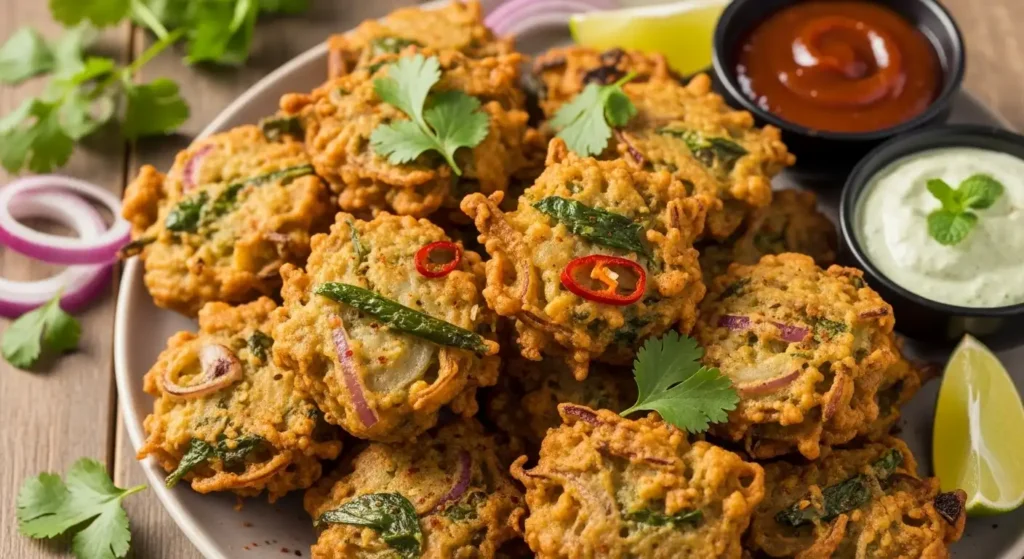
👉 Pro Tip: If making onion pakoras, mix onions directly into the batter with some salt and spices, then drop spoonfuls into the oil for irregular, crispy clusters.
Health Benefits of Pakoras
While pakoras are often seen as indulgent, they do offer some surprising health benefits when enjoyed in moderation and prepared thoughtfully:
- Rich in Plant-Based Protein
Gram flour (besan) is high in protein and fiber, making pakoras more filling than snacks made with refined flour. - Gluten-Free
Since besan is made from chickpeas, pakoras are naturally gluten-free, suitable for people with gluten intolerance. - Nutrient Boost from Vegetables
Spinach, cauliflower, onions, and potatoes bring vitamins, minerals, and antioxidants to the dish. - Customizable for Health
- Use an air fryer or oven-bake the pakoras instead of deep-frying.
- Add grated carrots, zucchini, or cabbage for a veggie-packed version.
- Use minimal oil and fry at the right temperature to avoid excess absorption.
- Spices for Digestion
Ajwain, cumin, and turmeric in the batter aid digestion, reduce bloating, and have anti-inflammatory properties.
Of course, pakoras are still fried, so balance is key. Think of them as an occasional treat rather than an everyday snack.
Tips for the Perfect Pakoras
- Keep the oil at a medium heat—too hot and pakoras burn; too low and they turn soggy.
- Don’t let the batter sit too long; prepare fresh for best results.
- Add a little baking soda to the batter for extra fluffiness (optional).
- Rice flour is the secret to extra crispy pakoras.
- Serve immediately for maximum crunch—pakoras lose crispiness if left too long.
Conclusion
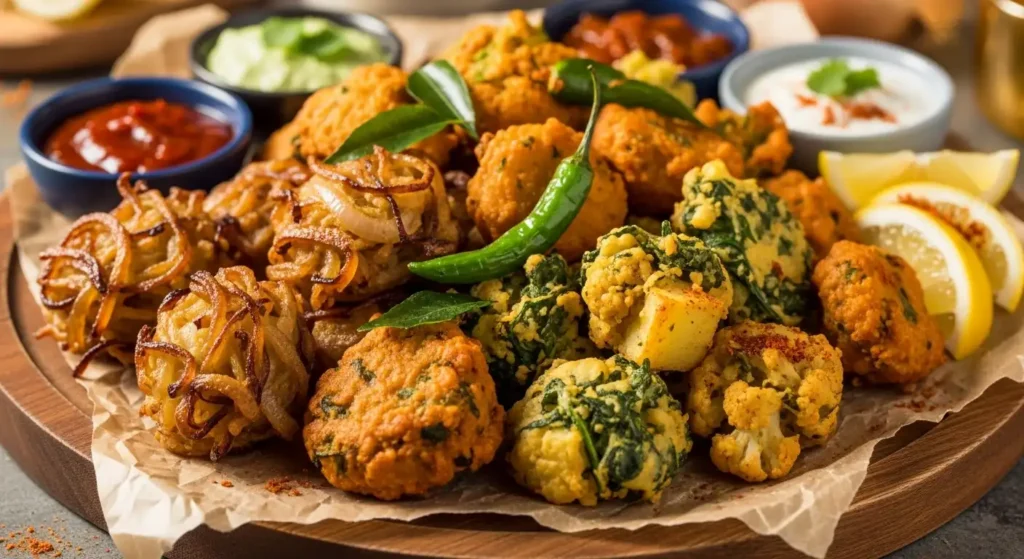
Pakoras (bhajis) are more than just fried snacks—they’re a celebration of community, comfort, and culinary creativity. Whether you enjoy them on a rainy afternoon with chai, serve them at parties, or try different vegetable variations, pakoras always bring people together.
Their versatility, simplicity, and sheer deliciousness have kept them at the heart of Indian cuisine for generations. Making them at home gives you control over the ingredients and health factor, while still enjoying that classic crispy bite.
And just like experimenting with sourdough baking, making pakoras is about embracing the process, trying variations, and savoring the results. So grab some besan, chop your favorite veggies, and fry up a batch—you’ll see why pakoras remain one of the most beloved snacks in the world.