
Gulab Jamun – The Sweet Symphony of Indian Desserts
Introduction
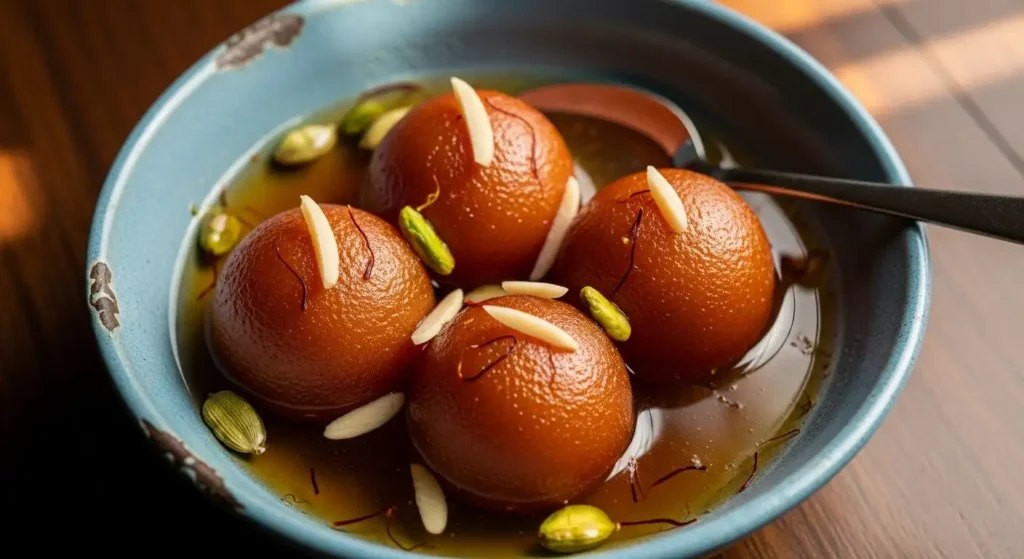
Few Indian desserts are as universally loved as Gulab Jamun. These soft, melt-in-the-mouth syrup-soaked dumplings are a staple at weddings, festivals, and special celebrations across India. Their rich taste, combined with the comforting sweetness of cardamom and rose-flavored sugar syrup, makes Gulab Jamun an irresistible treat for people of all ages.
Whether served warm or at room temperature, Gulab Jamun is more than just a dessert—it’s a symbol of celebration, tradition, and the artistry of Indian sweet-making. With its globally recognized flavor and simple ingredients, this dessert has transcended borders, appearing in Indian restaurants and homes worldwide.
In this article, we’ll explore the history of Gulab Jamun, the key ingredients, a step-by-step preparation guide, and even discuss its health benefits. By the end, you’ll be ready to make this classic Indian dessert in your own kitchen.
History of Gulab Jamun
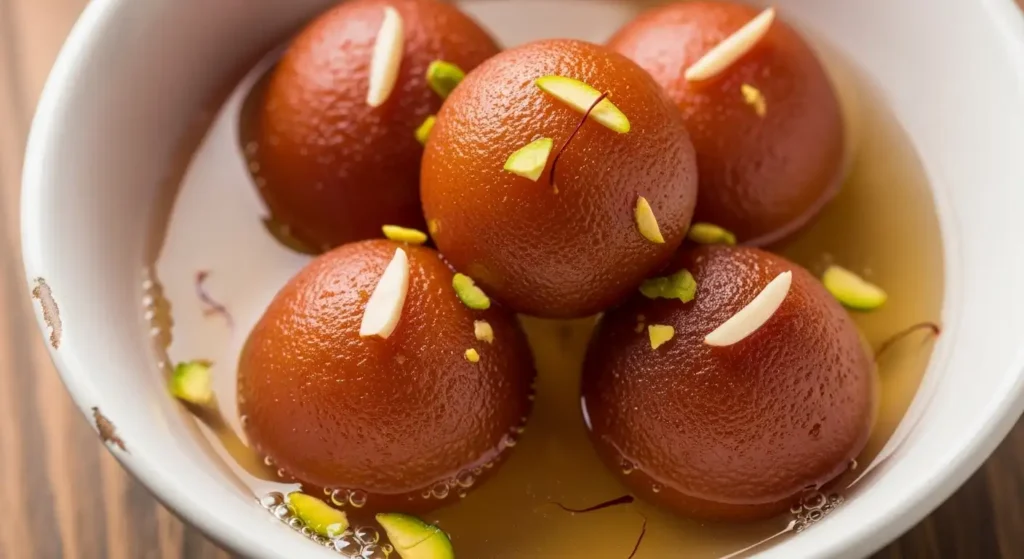
The origins of Gulab Jamun trace back several centuries, with influences from Persian and Mughal cuisines. The dessert’s name reflects its key elements:
- Gulab – meaning “rose” in Persian, referring to the rose-flavored sugar syrup.
- Jamun – named after a dark, sweet Indian fruit of similar size and shape.
During the Mughal era, cooks in royal kitchens innovated by frying milk solids and soaking them in aromatic sugar syrup, creating a dessert that was rich yet delicate. Over time, Gulab Jamun became a household favorite across India and neighboring countries such as Pakistan, Nepal, and Bangladesh.
Today, it is a dessert of choice during Diwali, Eid, Holi, and countless other festive occasions, as well as a common feature on wedding dessert tables. Its universal appeal lies in its texture, flavor, and simplicity, making it a quintessential Indian sweet.
Ingredients for Gulab Jamun
Gulab Jamun can be made from khoya (reduced milk solids), milk powder, or a combination of ingredients. The dessert has two main components: the dough and the sugar syrup.
For the Gulab Jamun Dough:
- 1 cup khoya (mawa), grated or crumbled
- ¼ cup all-purpose flour (maida)
- 2–3 tablespoons milk (adjust as needed)
- ¼ teaspoon baking soda (optional, for softness)
- 1 teaspoon ghee or oil (for smooth texture)
For the Sugar Syrup:
- 2 cups sugar
- 1 ½ cups water
- 4–5 cardamom pods, crushed
- 1 teaspoon rose water or a few drops of rose essence
- 1 teaspoon saffron strands (optional, for color and aroma)
Optional Garnishes:
- Slivered pistachios or almonds
- Rose petals for decoration
Step-by-Step Preparation
Step 1: Prepare the Sugar Syrup
- In a saucepan, combine sugar and water. Heat until the sugar dissolves completely.
- Add crushed cardamom and saffron. Bring the mixture to a gentle boil.
- Simmer for 5–7 minutes until slightly thickened.
- Add rose water or essence, stir, and set aside, keeping the syrup warm.
Step 2: Make the Gulab Jamun Dough
- Crumble or grate khoya into a mixing bowl.
- Add all-purpose flour and baking soda. Mix gently.
- Gradually add milk and a teaspoon of ghee, kneading lightly to form a smooth, soft dough.
- Divide the dough into small, uniform portions and roll them into smooth, crack-free balls.
Step 3: Fry the Gulab Jamun
- Heat oil or ghee in a deep pan on low to medium flame. The oil should be warm but not too hot—medium-low is key for even frying.
- Fry the dough balls slowly, stirring gently, until golden brown on all sides. Patience is crucial to ensure they cook evenly without burning.
- Remove fried balls with a slotted spoon and drain excess oil on paper towels.
Step 4: Soak in Sugar Syrup
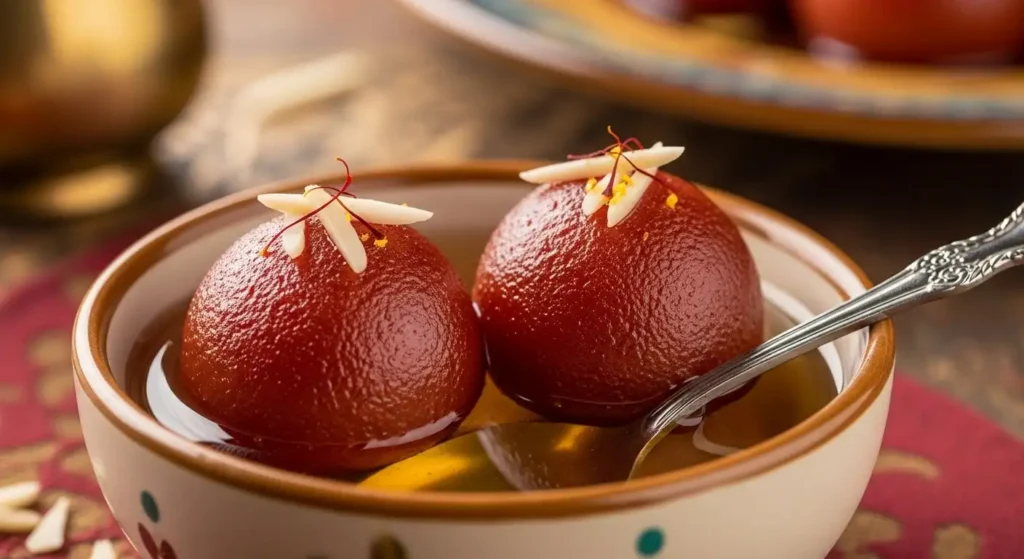
- Place the warm Gulab Jamuns into the prepared sugar syrup.
- Let them soak for at least 30–60 minutes. The longer they soak, the more flavorful and soft they become.
- Garnish with slivered pistachios, almonds, or rose petals if desired.
Step 5: Serve and Enjoy
- Serve warm for a comforting dessert or at room temperature as a festive treat.
- Pair with ice cream or enjoy as-is for the traditional experience.
Health Benefits of Gulab Jamun
While Gulab Jamun is primarily a dessert indulgence, it offers some nutritional value and comfort food benefits when consumed in moderation:
- Source of Energy
Made from milk solids and sugar, Gulab Jamun provides quick energy, making it a good treat after fasting or during festive occasions. - Protein from Milk Solids
Khoya is rich in protein and calcium, supporting bone health. - Spices for Digestion
Cardamom used in the syrup can aid digestion and adds antioxidant properties. - Mood Booster
The sweet aroma and taste can stimulate endorphins, contributing to happiness and relaxation. - Customizable for Healthier Versions
- Bake instead of deep-fry for a lower-fat version.
- Use jaggery instead of refined sugar for the syrup.
- Make mini Gulab Jamuns to control portion size.
Tips for Perfect Gulab Jamun
- Always knead the dough gently; over-kneading can make it dense.
- Fry the balls slowly at low heat to ensure even cooking inside and out.
- Ensure sugar syrup is warm but not too hot when soaking; this helps them absorb syrup evenly.
- Use fresh khoya for authentic taste and softness.
- Uniform-sized balls cook evenly and look visually appealing.
Conclusion
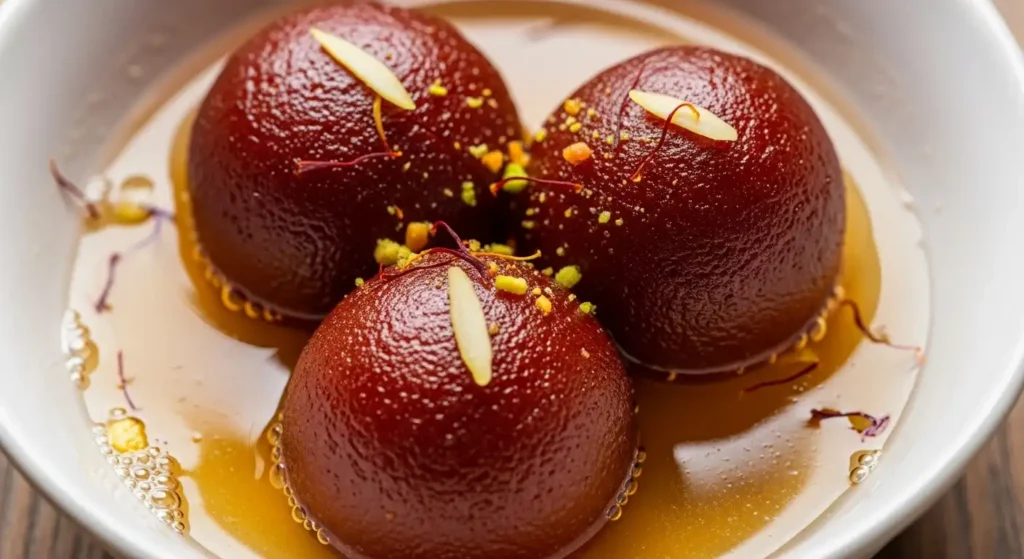
Gulab Jamun is a timeless dessert that embodies the sweetness, warmth, and celebratory spirit of Indian cuisine. Its soft, syrupy texture and aromatic flavor make it a favorite at festivals, weddings, and special occasions.
Making Gulab Jamun at home is a rewarding experience—it combines patience, skill, and a touch of love. Much like sourdough baking, preparing these delicate sweet dumplings teaches the joy of precision, timing, and the beauty of homemade treats.
So gather your ingredients, follow the steps carefully, and indulge in the blissful, aromatic magic of homemade Gulab Jamun. Every bite is a celebration, and every homemade batch is a testament to your culinary creativity.