Arancini: Sicily’s Golden Rice Balls of Flavor
Table of Contents
Introduction
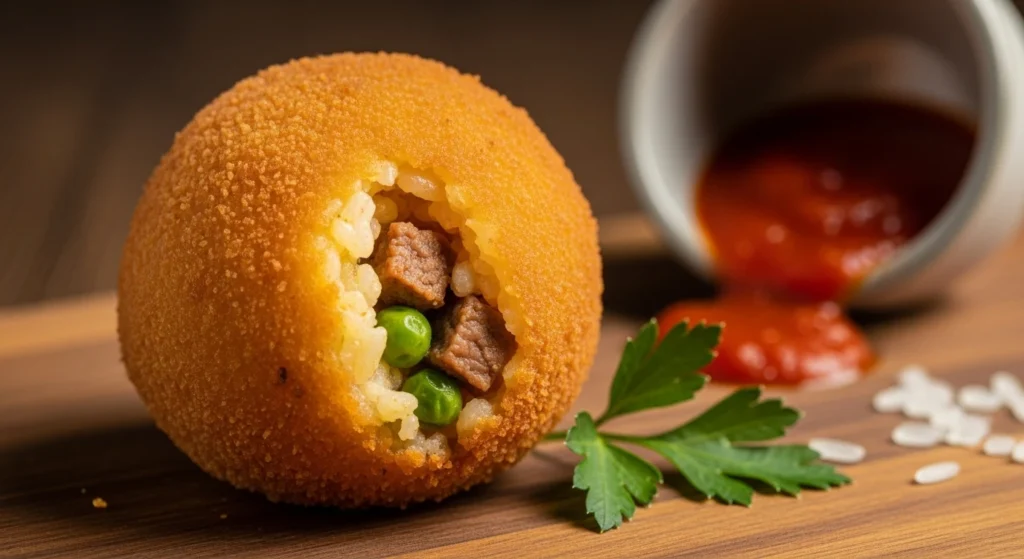
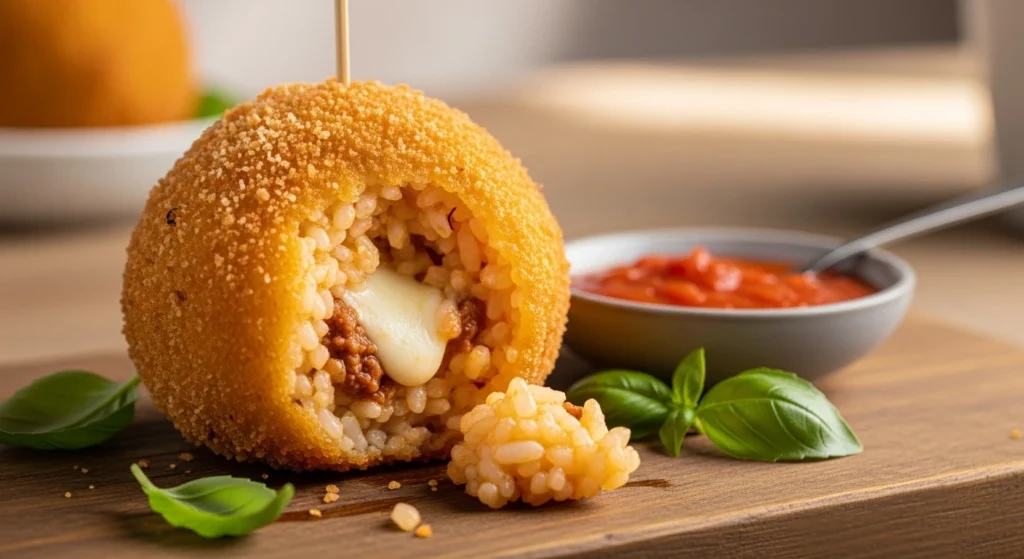
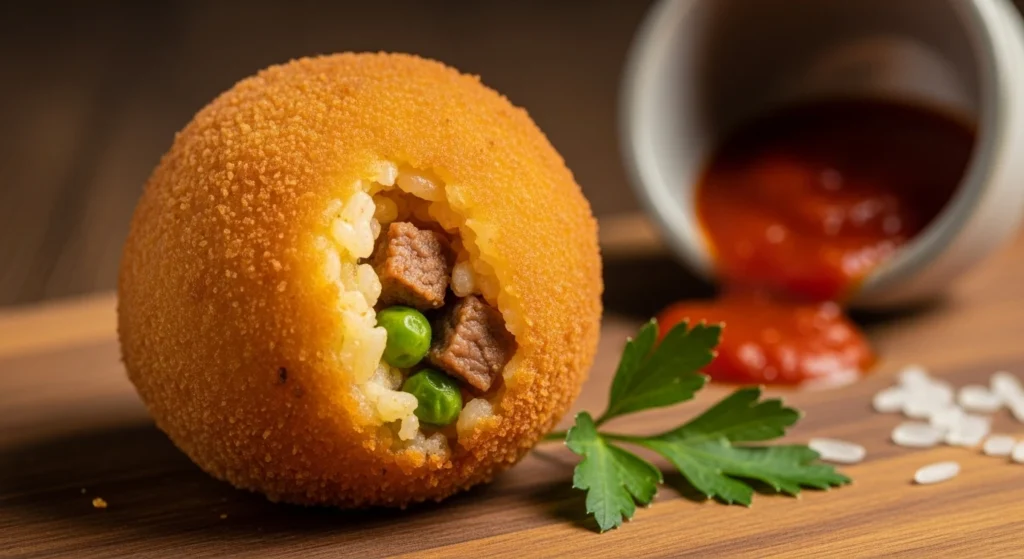
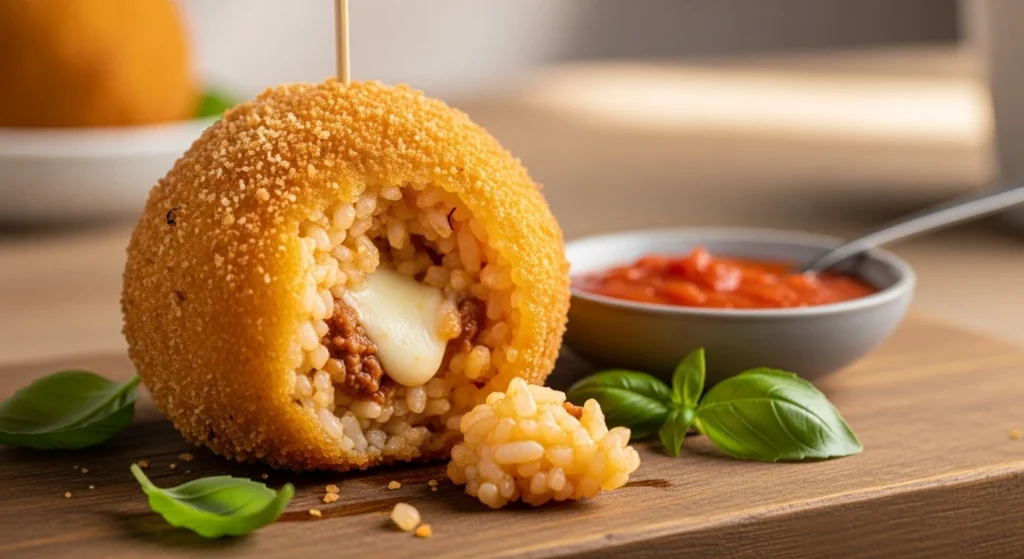
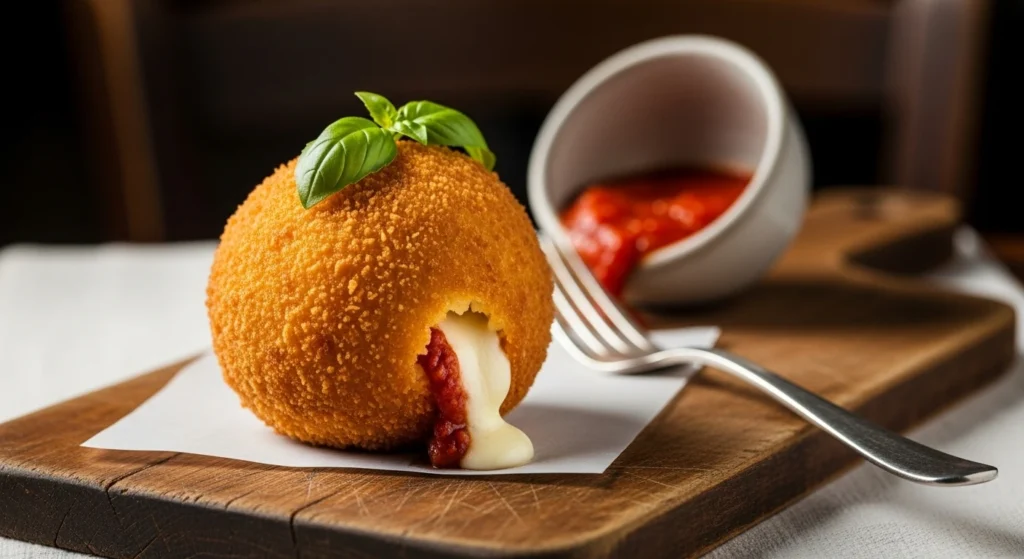
Crispy on the outside, creamy on the inside, and bursting with flavor—arancini are one of Italy’s most beloved street foods. These golden, deep-fried rice balls, often filled with ragù, cheese, or peas, are not only delicious but also steeped in Sicilian tradition.
Their name, arancini, comes from the Italian word arancia (orange), since their round, golden appearance resembles small oranges. Today, arancini can be found across Italy and beyond, served as snacks, appetizers, or even full meals.
In this guide, we’ll explore the history of arancini, the key ingredients that make them special, a step-by-step preparation method, and the health benefits of this hearty Sicilian dish. By the end, you’ll not only understand why arancini have charmed food lovers for centuries but also feel ready to make them in your own kitchen.
The History of Arancini
Arancini trace their roots back nearly a thousand years, with stories and traditions that intertwine with Sicily’s rich cultural history.
Arab Influence in Sicily
The origins of arancini date back to the 10th century, when Sicily was under Arab rule. Arabs introduced rice to the island, along with saffron—a spice that gave rice its golden color and rich aroma. Rice was often cooked with meat and herbs, then shaped into balls for easy eating.
The Norman Touch
Later, during the Norman conquest of Sicily, the practice of coating rice balls with breadcrumbs and frying them emerged. This helped preserve the food and made it perfect for carrying on long journeys or feasts.
Feast of Saint Lucia
In many parts of Sicily, arancini are traditionally prepared on December 13th for the Feast of Saint Lucia, when eating bread and pasta is avoided. Instead, rice-based dishes like arancini take center stage.
Regional Variations
Over time, arancini evolved into different shapes and fillings:
- Arancini al ragù: stuffed with meat sauce, peas, and mozzarella.
- Arancini al burro: filled with ham and béchamel.
- Arancini con melanzane: with eggplant.
- Arancini con pistacchio: with creamy pistachio filling, popular in eastern Sicily.
In western Sicily, they are typically round, while in eastern Sicily (especially Catania), they are cone-shaped, said to resemble Mount Etna.
Ingredients for Arancini
Authentic arancini are made with a handful of simple yet flavorful ingredients. Here’s what you’ll need:
For the Rice
- Arborio rice (or Carnaroli rice): The starchy, short-grain rice used for risotto works perfectly, creating a creamy texture.
- Saffron (optional): Adds golden color and subtle aroma.
- Chicken or vegetable broth: Used for cooking the rice.
- Butter and Parmigiano Reggiano: For richness and flavor.
For the Filling
- Ragù (meat sauce): A slow-cooked sauce with ground beef, pork, tomatoes, peas, and onions.
- Mozzarella or caciocavallo cheese: Melty, gooey cheese at the center.
- Ham or béchamel (for variations).
For Coating and Frying
- Flour
- Eggs (beaten)
- Breadcrumbs (fine and dry)
- Vegetable oil (sunflower or peanut oil) for deep frying.
Step-by-Step Preparation of Arancini
Making arancini takes some time and patience, but the results are well worth it. Here’s a step-by-step guide:
Step 1: Cook the Rice
- In a large pot, bring broth to a simmer.
- Add rice and cook until tender, stirring occasionally.
- Stir in saffron, butter, and grated Parmigiano Reggiano.
- Spread the rice on a tray and let it cool completely—this makes it easier to shape later.
Step 2: Prepare the Filling
- In a skillet, sauté onions, carrots, and celery in olive oil.
- Add ground beef and pork, cooking until browned.
- Stir in tomato sauce and peas, and let the ragù simmer until thick.
- Set aside to cool.
Step 3: Shape the Arancini
- Take a handful of cooled rice and flatten it in your palm.
- Place a spoonful of ragù and a cube of mozzarella in the center.
- Close the rice around the filling, shaping it into a ball (or cone).
- Repeat until all rice and filling are used.
Step 4: Coat the Arancini
- Roll each rice ball lightly in flour.
- Dip into beaten eggs.
- Roll in breadcrumbs until evenly coated.
Step 5: Fry the Arancini
- Heat oil in a deep pot to 170–180°C (340–355°F).
- Fry the rice balls in small batches until golden brown and crispy.
- Remove with a slotted spoon and drain on paper towels.
Step 6: Serve and Enjoy
Serve hot with marinara sauce on the side, or enjoy them on their own as a snack or appetizer.
Health Benefits of Arancini
While arancini are considered indulgent, they also provide surprising nutritional benefits, especially when made with quality ingredients and enjoyed in moderation.
1. Energy-Packed
Rice provides a good source of carbohydrates, giving your body energy. This makes arancini a satisfying and filling meal.
2. Protein-Rich
The ragù filling (meat and cheese) supplies protein, which supports muscle growth and repair.
3. Essential Vitamins and Minerals
- Cheese adds calcium and phosphorus, essential for bone health.
- Peas provide fiber, vitamin C, and plant-based protein.
- Saffron (if used) contains antioxidants that may improve mood and digestion.
4. Comfort Food for the Soul
Beyond nutrition, arancini offer emotional comfort. Warm, crispy, and cheesy foods like arancini are known to boost mood and provide a sense of satisfaction.
Tips for Perfect Arancini Every Time
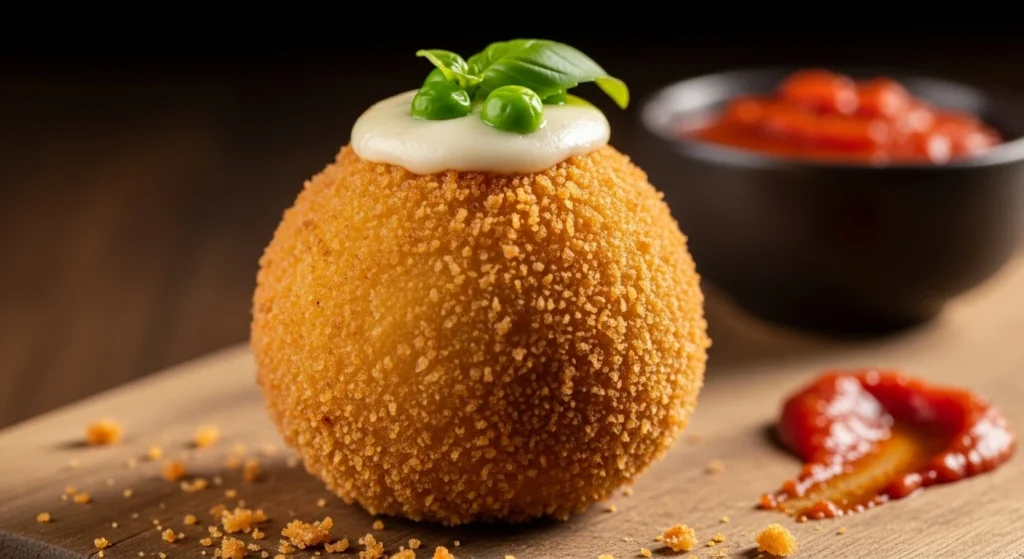
- Cool the rice completely: This makes it easier to shape without sticking.
- Seal the filling tightly: Prevents leakage during frying.
- Use fine breadcrumbs: Ensures a crisp, even coating.
- Fry in small batches: Helps maintain oil temperature for even cooking.
- Experiment with fillings: Try mushrooms, spinach, or even seafood for a twist.
Conclusion
<script type=”text/javascript”> atOptions = { ‘key’ : ‘0d2f73f8d1b1d99fcb8fcc9ab9ba5115’, ‘format’ : ‘iframe’, ‘height’ : 90, ‘width’ : 728, ‘params’ : {} }; </script> <script type=”text/javascript” src=”//www.highperformanceformat.com/0d2f73f8d1b1d99fcb8fcc9ab9ba5115/invoke.js”></script>Arancini are more than just fried rice balls—they’re a taste of Sicilian history, tradition, and love. From their Arab-inspired origins to their place as modern Italian street food, arancini have stood the test of time as a dish that’s comforting, flavorful, and endlessly versatile.
Making arancini at home might take a little patience, but the result is a golden, crispy bite that transports you straight to Sicily. Whether served at a family dinner, a party, or enjoyed as a snack, arancini are guaranteed to impress.
So why not give them a try? Much like sourdough baking, making arancini is a hands-on experience that rewards patience and care with something truly delicious.
Buon appetito! 🍚✨