
Kerala Sadya – The Grand Vegetarian Feast Served on a Banana Leaf
Table of Contents
Introduction
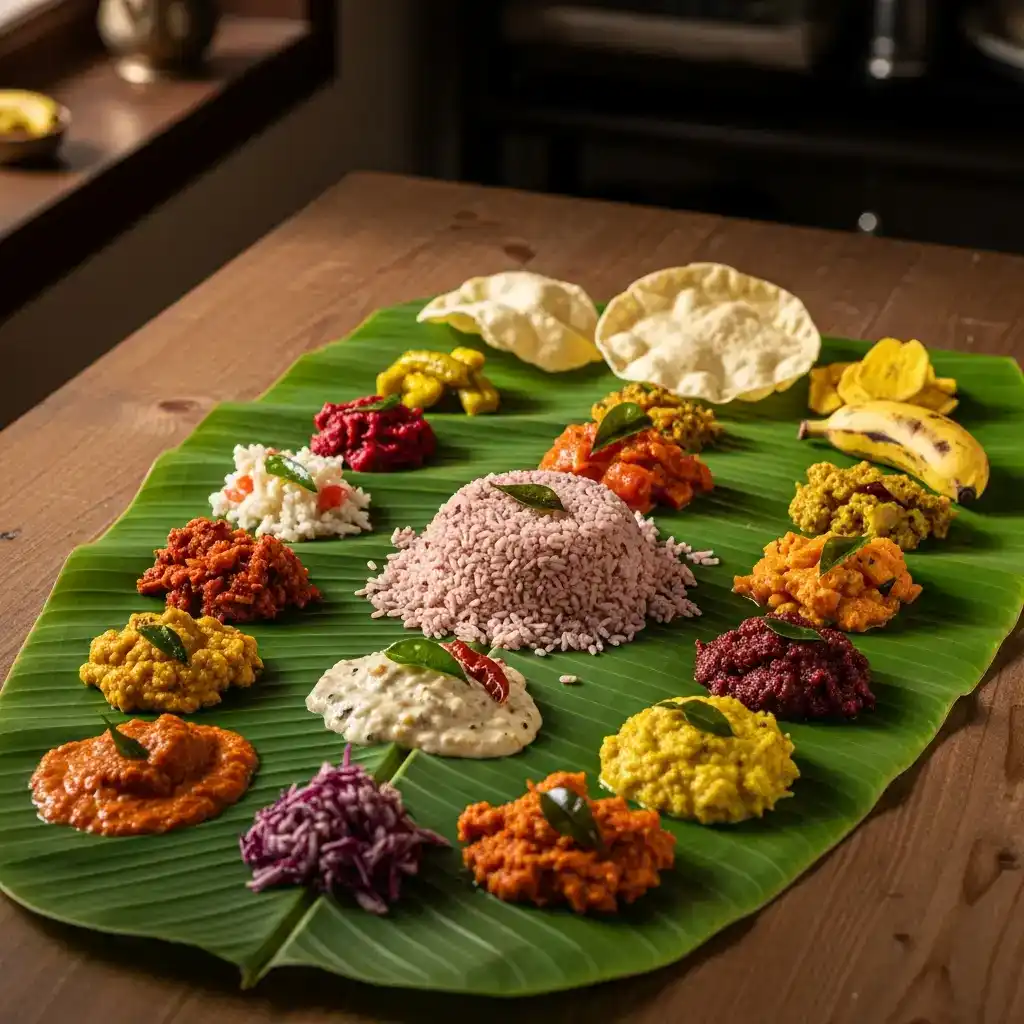
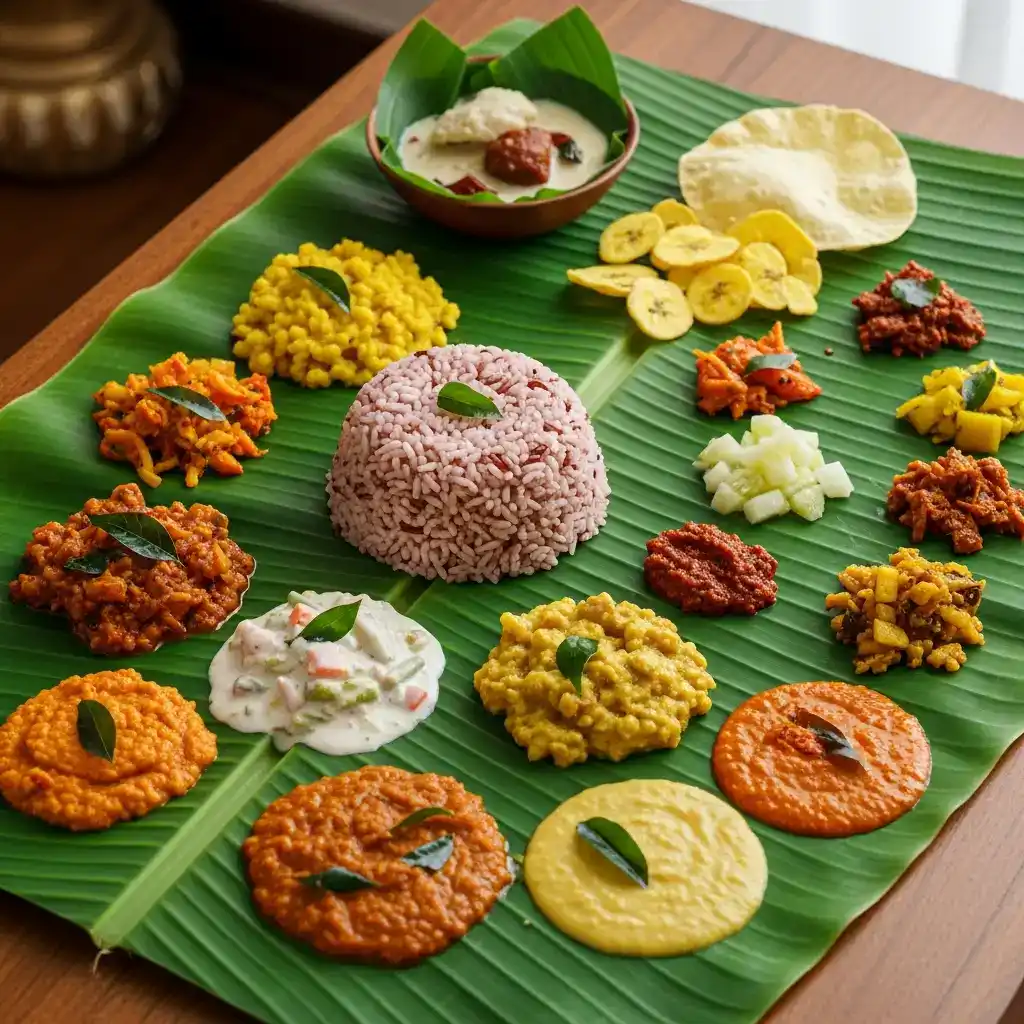
If there’s one meal that truly captures the soul of Kerala, it’s the Kerala Sadya — a vibrant, wholesome, and flavorful vegetarian feast served traditionally on a banana leaf. More than just a meal, Sadya is an emotion — a celebration of community, culture, and culinary harmony.
Served during festivals like Onam, Vishu, and weddings, a typical Sadya can include anywhere from 15 to 30 dishes — each thoughtfully prepared to balance taste, texture, and nutrition. The combination of tangy, spicy, sweet, and savory flavors creates a symphony on the palate that defines the essence of Kerala cuisine.
In this blog post, we’ll explore the history of Kerala Sadya, list its key ingredients and dishes, explain how to prepare it step-by-step, and even look at the health benefits behind this traditional vegetarian banquet.
History of Kerala Sadya
The roots of Kerala Sadya trace back thousands of years, deeply connected to the region’s Hindu temple culture and agricultural traditions. The word Sadya itself means banquet in Malayalam.
Historically, Sadya originated as a temple offering (prasadam), where rice and various vegetarian dishes were served to devotees during festivals. Over time, it evolved into a ceremonial meal enjoyed during weddings, religious festivals, and community celebrations.
The Onam Sadya, served during Kerala’s most important festival Onam, commemorates the legendary King Mahabali’s annual visit to his kingdom. It represents prosperity, gratitude, and the spirit of unity — values that remain central to Keralite identity.
Traditionally, the Sadya was served on a fresh banana leaf while guests sat cross-legged on the floor. The dishes were always arranged in a specific order, symbolizing respect for food and harmony with nature.
Ingredients and Core Dishes in a Kerala Sadya
Unlike typical meals, the Kerala Sadya is not just one dish — it’s a carefully curated ensemble of flavors and textures. Below are the common dishes found in a traditional Sadya, though variations exist across regions and families.
1. Main Base
- Boiled Matta Rice – Kerala’s red rice variety with a nutty flavor and high fiber content.
2. Curries and Gravies
- Sambar – A lentil-based stew made with tamarind, vegetables, and aromatic spices.
- Parippu Curry – Moong dal cooked with coconut and ghee, served as the first curry with rice.
- Avial – A thick mix of vegetables cooked with coconut, yogurt, and curry leaves.
- Theeyal – A roasted coconut and tamarind-based curry, darker and richer in flavor.
- Erissery – Pumpkin and beans cooked with ground coconut and cumin.
- Kalan – A thick, tangy curry made with yogurt, yam, and raw banana.
3. Side Dishes
- Thoran – Finely chopped vegetables stir-fried with grated coconut and mustard seeds.
- Olan – Ash gourd and red beans simmered in coconut milk for a mild, delicate dish.
- Mezhukkupuratti – Dry-fried vegetables seasoned with chili and curry leaves.
- Pachadi & Kichadi – Yogurt-based sides; Pachadi includes fruits like pineapple, while Kichadi uses cucumber or bitter gourd.
4. Condiments and Pickles
- Puli Inji – Sweet and spicy ginger-tamarind chutney.
- Naranga Achar – Lemon pickle, a tangy counterpoint to the milder dishes.
- Mango Pickle – Adds a burst of sourness.
5. Papad and Chips
- Pappadam – Crispy fried lentil wafers.
- Banana Chips & Sharkara Varatti – Fried banana slices (plain and jaggery-coated).
6. Desserts
- Payasam – The sweet finale. Common versions include Palada Payasam (milk and rice flakes), Ada Pradhaman, and Parippu Payasam (lentils and jaggery).
Step-by-Step Preparation of Kerala Sadya
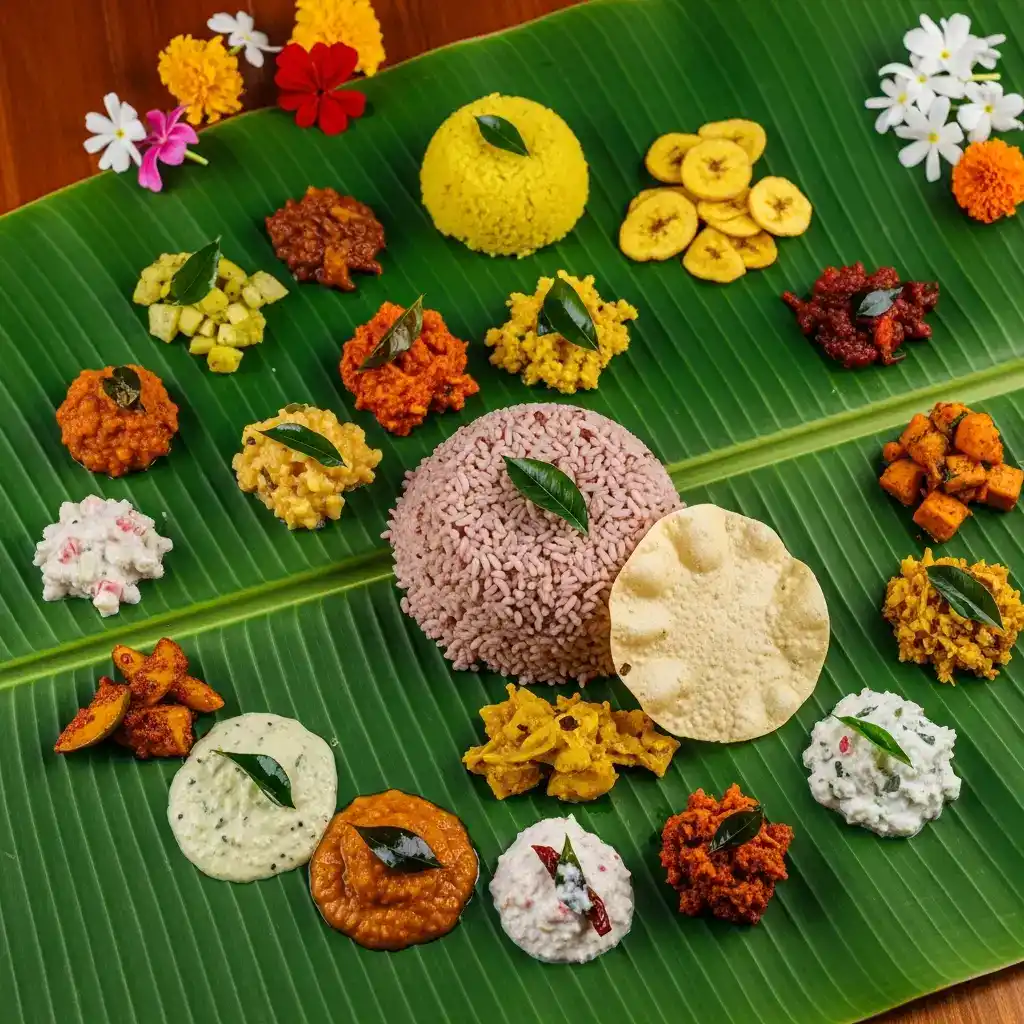
Making a full-fledged Sadya at home may seem daunting, but with proper planning, it becomes an enjoyable and rewarding process. Here’s a simplified guide to get you started.
Step 1: Plan and Prepare the Menu
Choose 8–10 dishes if it’s your first time. Include a mix of curries, dry vegetables, condiments, and one dessert. Gather all ingredients a day ahead, focusing on fresh vegetables, coconut, and spices.
Step 2: Cook the Rice and Dal
- Wash and cook matta rice in a pressure cooker or open pot.
- Prepare parippu curry with cooked moong dal, ground coconut, turmeric, and ghee.
Step 3: Prepare Coconut-Based Curries
- For Avial, combine mixed vegetables with ground coconut, green chili, and cumin. Finish with a drizzle of coconut oil and curry leaves.
- Make Erissery using pumpkin, beans, and a coconut paste.
- Cook Kalan using raw banana and yam in a yogurt-coconut sauce.
Step 4: Make Sambar and Theeyal
- Sambar: Boil toor dal with drumsticks, brinjal, and carrots. Add tamarind and sambar masala.
- Theeyal: Roast coconut until dark brown, grind with tamarind and spices, and cook with shallots.
Step 5: Prepare Dry Dishes and Pickles
- Thoran: Stir-fry cabbage, beans, or beetroot with grated coconut.
- Puli Inji: Simmer chopped ginger with tamarind, jaggery, and chili powder until thick.
- Arrange papad, banana chips, and pickles in small bowls.
Step 6: Make the Dessert
- Boil milk or coconut milk with sugar/jaggery, then add cooked ada or dal.
- Flavor with cardamom and roasted cashews — this becomes your Payasam, the crown jewel of the Sadya.
Step 7: Serve on a Banana Leaf
Lay a clean banana leaf with the tip pointing left. Each dish has a traditional placement:
- Pickles, chips, and salt go on the top left.
- Dry dishes (Thoran, Avial, etc.) on the top half.
- Rice and curries occupy the center and bottom.
- Payasam is served at the end.
Traditionally, guests eat with their hands — connecting more deeply with the textures and flavors.
Health Benefits of Kerala Sadya
While it’s a festive meal, the Kerala Sadya is also remarkably balanced and nutritious. Here’s why:
1. Rich in Plant-Based Nutrition
Most Sadya dishes are made from fresh vegetables, legumes, and coconut, making it fiber-rich and heart-healthy.
2. Naturally Gluten-Free
Since the meal uses rice instead of wheat, it’s suitable for gluten-sensitive individuals.
3. Coconut – The Healthy Fat
Coconut is used in multiple forms — grated, milk, or oil — providing healthy medium-chain triglycerides (MCTs) that boost energy and metabolism.
4. Probiotic Benefits
Dishes like Kichadi and Pachadi use yogurt, promoting good gut bacteria.
5. Balanced Flavors and Digestion
The careful combination of spicy, sour, sweet, and bitter ingredients stimulates digestion and provides a sense of satiety without heaviness.
Cultural Significance and Modern Adaptations
Kerala Sadya is more than a meal — it’s a statement of cultural pride. Every Sadya, whether for Onam or a wedding, brings people together in gratitude and joy.
In modern times, you’ll find Sadya-inspired buffets at restaurants and even mini-Sadya meals for daily dining. Chefs now experiment with millet-based rice, vegan adaptations, or even fusion payasams — yet the essence remains the same: abundance, community, and celebration.
Conclusion
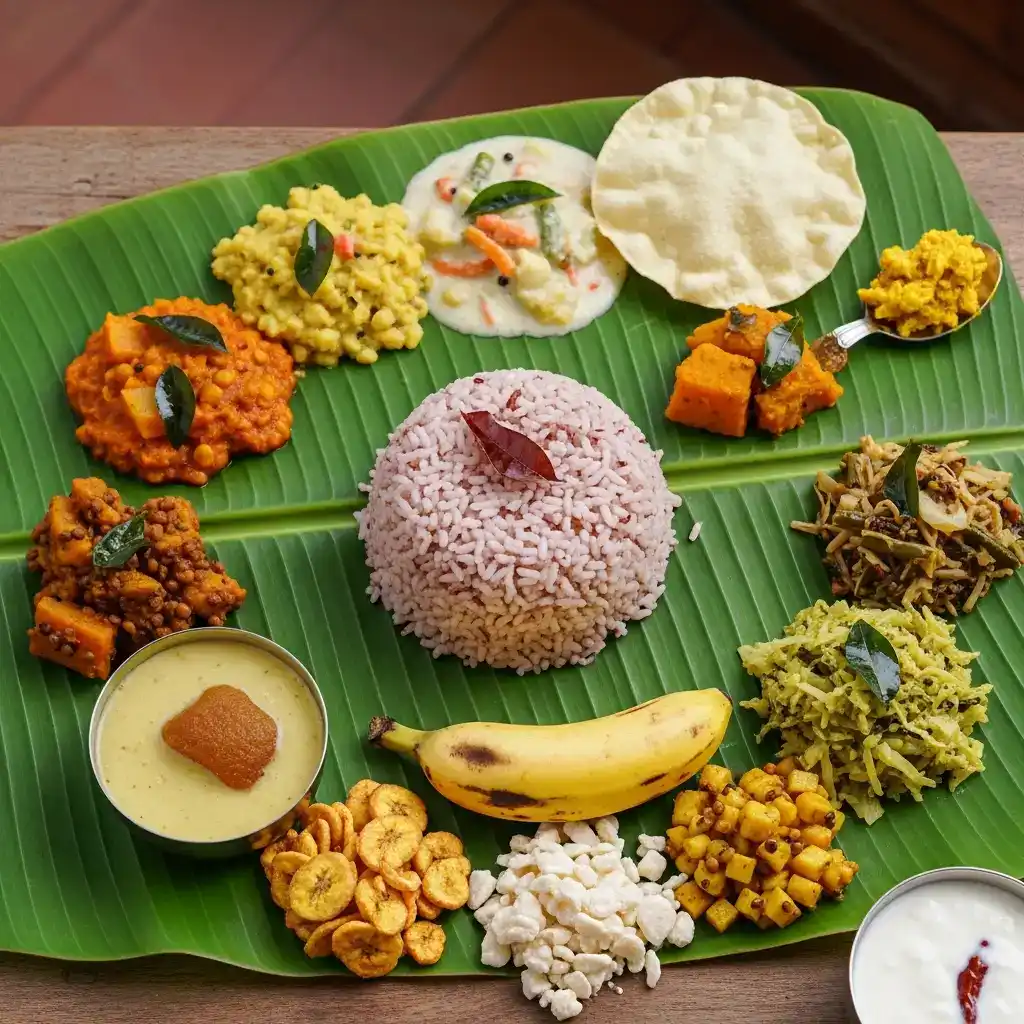
The Kerala Sadya is a beautiful reflection of India’s culinary philosophy — diverse, flavorful, and rooted in tradition. It celebrates the idea that food is not just nourishment but a form of gratitude and togetherness.
So, the next time you’re planning a festive meal, consider preparing a small Sadya at home. It’s a rewarding experience that fills your home with the aromas of coconut, curry leaves, and spices — a true feast for the senses.
And who knows? Once you’ve mastered this harmony of flavors, you might even feel inspired to try another rewarding culinary adventure — sourdough baking — a perfect blend of patience, flavor, and craft!