
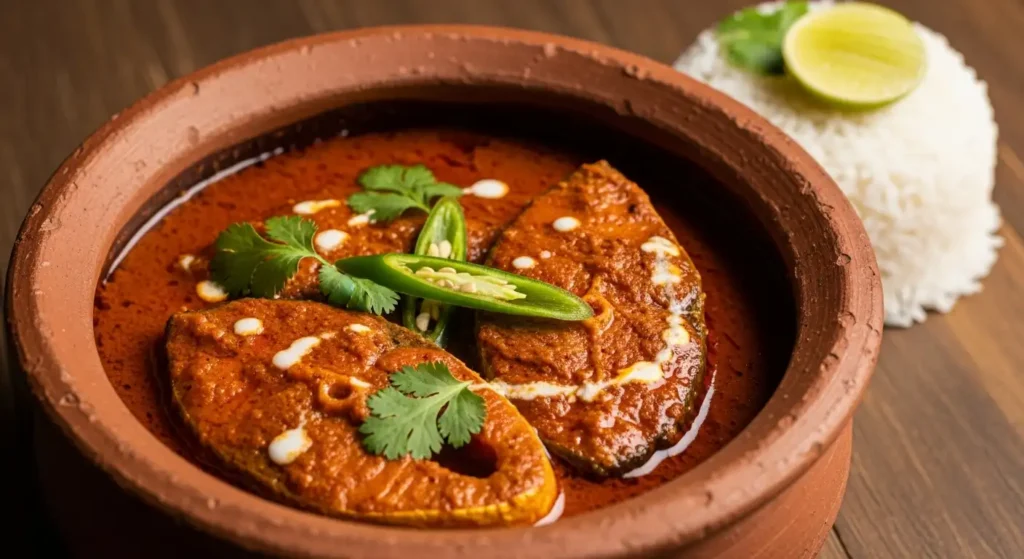
Fish Curry (Goan or Bengali Style): Regional Specialties with Tamarind or Coconut Milk
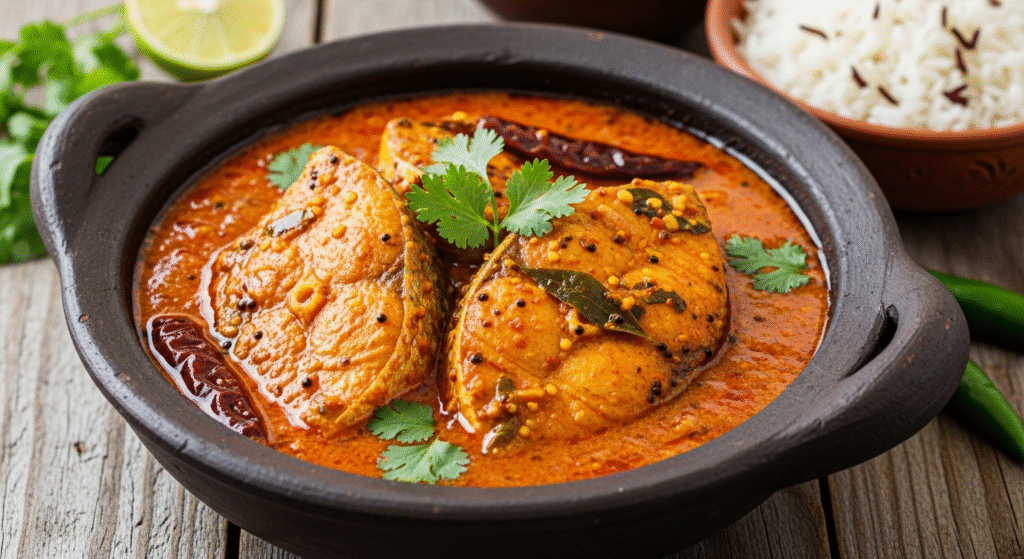
Few dishes represent the diversity of Indian cuisine as beautifully as Fish Curry. Whether it’s the creamy coconut-based curries of Goa or the mustard-flavored delicacies of Bengal, fish curry is a staple along India’s coastlines and riversides. Each region has its own interpretation, shaped by local ingredients, traditions, and culture.
At its core, fish curry is about fresh fish simmered in a flavorful gravy—but what makes it special are the regional twists: the tanginess of tamarind in Goan curries, the richness of coconut milk in Kerala, or the sharp bite of mustard in Bengali kitchens.
In this article, we’ll explore the history of fish curry, share the ingredients you’ll need, walk you through a step-by-step preparation, and highlight its health benefits. By the end, you’ll not only understand how to make it but also why this dish holds such a special place in Indian cuisine.
History of Fish Curry
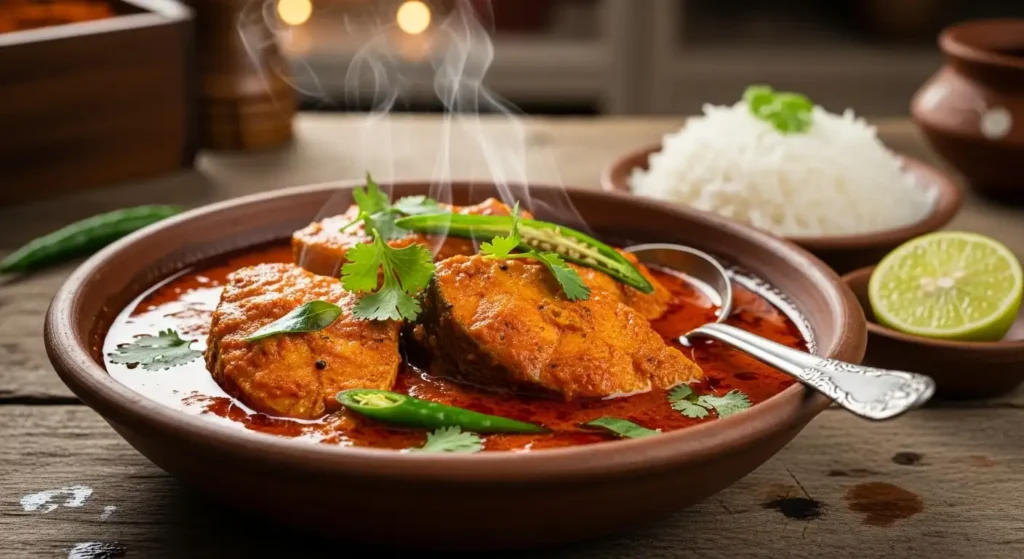
Fish curry has ancient roots in India’s coastal and riverine regions. Communities living along the Arabian Sea, Bay of Bengal, and inland rivers have long relied on fish as a staple protein source. Over centuries, regional availability of spices and cooking mediums shaped the way fish curries evolved.
- Goan Fish Curry: Influenced by Portuguese colonization, Goan curries often feature vinegar, kokum, and coconut milk, creating a tangy, creamy profile. The use of red Kashmiri chilies adds both color and flavor.
- Bengali Fish Curry (Macher Jhol): In Bengal, fish is considered not just food but part of identity. Bengali fish curries are typically lighter, flavored with mustard seeds, mustard oil, turmeric, and seasonal vegetables. Tamarind is sometimes added for tanginess.
- Kerala Fish Curry: Coconut, curry leaves, and tamarind dominate Kerala’s coastal fish curries, creating a balance of spice and creaminess.
This adaptability is what makes fish curry so beloved—it’s never just one dish but a culinary canvas for regional identity.
Ingredients for Fish Curry
The ingredients vary slightly depending on whether you choose a Goan-style fish curry or a Bengali-style curry. Below is a flexible ingredient list that allows you to explore both styles.
Main Ingredients
- 500 g fresh fish (pomfret, kingfish, rohu, hilsa, or any firm white fish)
- 2 large onions, finely chopped
- 2 large tomatoes, pureed
- 2 green chilies, slit
- 2 tablespoons ginger-garlic paste
- 3 tablespoons oil (coconut oil for Goan, mustard oil for Bengali)
- Salt, to taste
- Fresh coriander leaves for garnish
Goan Curry Base
- ½ cup coconut milk
- 1 tablespoon tamarind paste or 3–4 kokum petals
- 1 teaspoon turmeric powder
- 2 teaspoons red chili powder (preferably Kashmiri for color)
- 1 teaspoon coriander powder
- Curry leaves (optional)
Bengali Curry Base
- 2 teaspoons mustard seeds
- ½ teaspoon nigella seeds (kalonji)
- 1 teaspoon turmeric powder
- 2 teaspoons red chili powder
- 1 teaspoon cumin powder
- 2 teaspoons mustard paste (optional, for extra flavor)
Step-by-Step Preparation of Fish Curry
Here’s a simple guide you can follow to make either Goan Fish Curry or Bengali Fish Curry at home.
Step 1: Prepare the Fish
- Wash and pat dry the fish pieces.
- Rub them with salt and turmeric.
- Shallow-fry in hot oil until lightly golden on each side. Remove and set aside.
Step 2: Start the Base
- For Goan Curry:
- Heat coconut oil in a pan.
- Add onions and sauté until golden.
- Add ginger-garlic paste and chilies; cook for 2 minutes.
- Stir in tomato puree, turmeric, coriander powder, and chili powder. Cook until oil separates.
- For Bengali Curry:
- Heat mustard oil until it reaches smoking point, then reduce the heat.
- Add mustard seeds and nigella seeds; let them crackle.
- Add onions and sauté until soft.
- Stir in ginger-garlic paste, tomatoes, turmeric, cumin powder, and chili powder. Cook until the masala is well blended.
Step 3: Build the Gravy
- Goan Style: Add tamarind paste (or kokum) and coconut milk. Simmer gently for 5–7 minutes.
- Bengali Style: Add 2 cups of water (or fish stock if available). Simmer until the gravy thickens slightly.
Step 4: Add the Fish
- Gently place the fried fish pieces into the simmering curry.
- Cook on low heat for 8–10 minutes so the fish absorbs the flavors. Avoid stirring too much to prevent breaking the pieces.
Step 5: Finish and Serve
- Garnish with fresh coriander leaves.
- Serve hot with steamed rice, parathas, or sourdough bread for a fusion twist.
Health Benefits of Fish Curry
Fish curry is not only delicious but also a nutritious powerhouse:
1. Rich in Lean Protein
Fish provides high-quality protein without the heaviness of red meat, making it excellent for muscle repair and overall health.
2. Omega-3 Fatty Acids
Fatty fish like mackerel, hilsa, and pomfret are excellent sources of omega-3 fatty acids, which support heart health, brain function, and reduce inflammation.
3. Vitamins and Minerals
Fish is rich in vitamin D, B vitamins, selenium, and iodine, all essential for immunity, thyroid function, and energy levels.
4. Benefits from Spices
The turmeric, garlic, mustard, and chilies used in the curry provide antioxidant and anti-inflammatory properties, boosting immunity and digestion.
5. Lighter on Digestion
Compared to meat curries, fish curry is often easier to digest, making it suitable for regular consumption.
Tips for the Perfect Fish Curry
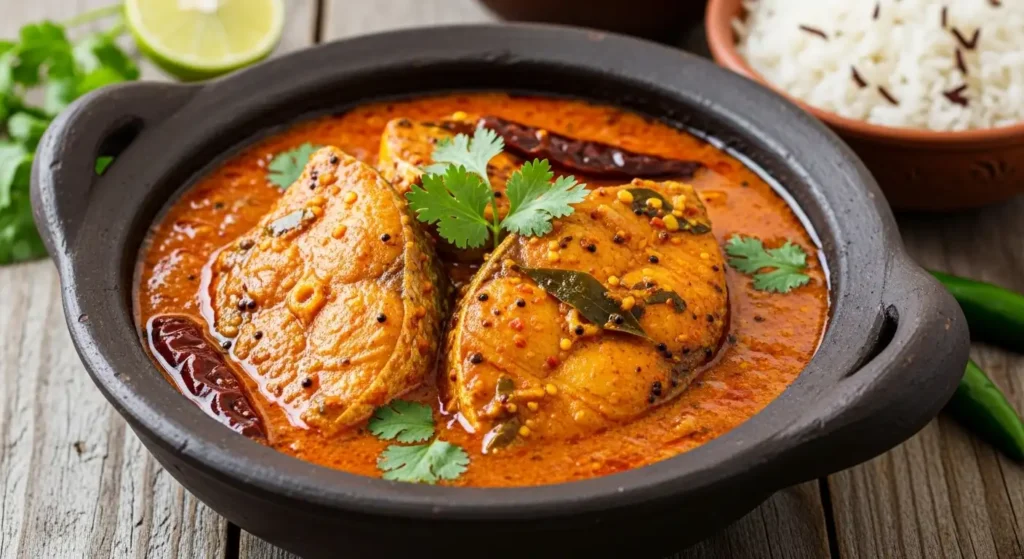
- Use fresh fish for the best flavor and texture.
- Marinate with turmeric and salt to remove any fishy odor.
- Don’t overcook—fish cooks quickly, so simmer just long enough to absorb flavors.
- Choose regionally inspired oils: mustard oil for Bengali, coconut oil for Goan or Kerala.
- Pair with steamed rice to balance the richness of the curry.
Variations of Fish Curry
- Goan Xitti Kodi: Coconut-based, tangy with kokum, mildly spicy.
- Bengali Macher Jhol: Light, mustard-flavored curry, often cooked with potatoes.
- Kerala Fish Moilee: Creamy curry with coconut milk and curry leaves.
- Sri Lankan Fish Curry: Spicier, often with roasted curry powder.
Why Fish Curry Is a Timeless Dish
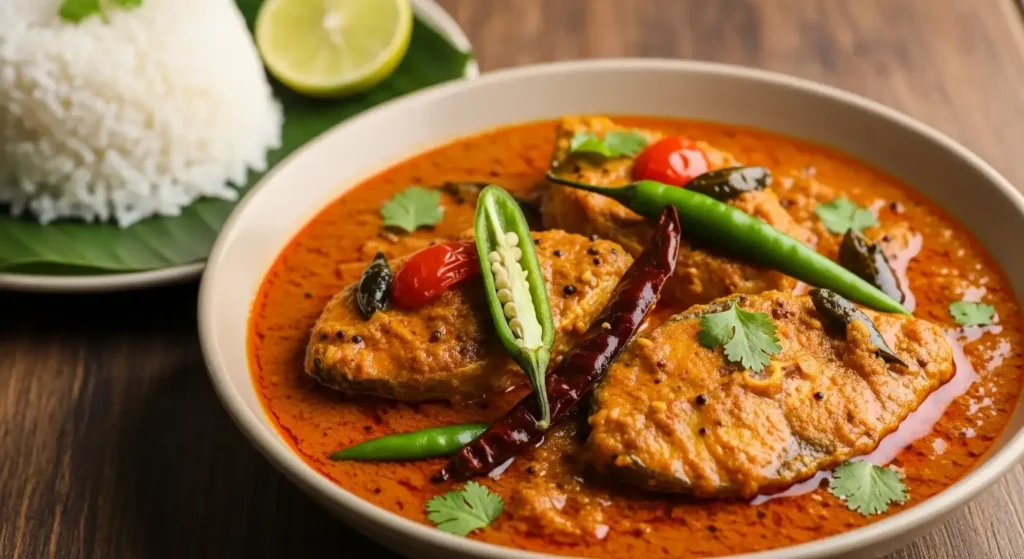
Fish curry is more than just food—it’s a reflection of geography, culture, and tradition. From the spice-laden coconut gravies of the western coast to the mustard-kissed curries of the east, each bowl tells a story of the region it comes from. It’s comforting, nourishing, and endlessly adaptable.
Conclusion
Fish Curry, whether Goan with its coconut milk and tangy tamarind or Bengali with its mustardy bite, is a dish that captures the soul of Indian coastal cuisine. It’s flavorful, nutritious, and deeply rooted in tradition.
The next time you’re planning a cozy meal, try making a regional fish curry at home. And for a creative twist, serve it with freshly baked sourdough bread—its tangy bite complements the spice and richness of the curry beautifully. Who knows, it might even inspire you to explore sourdough baking yourself!