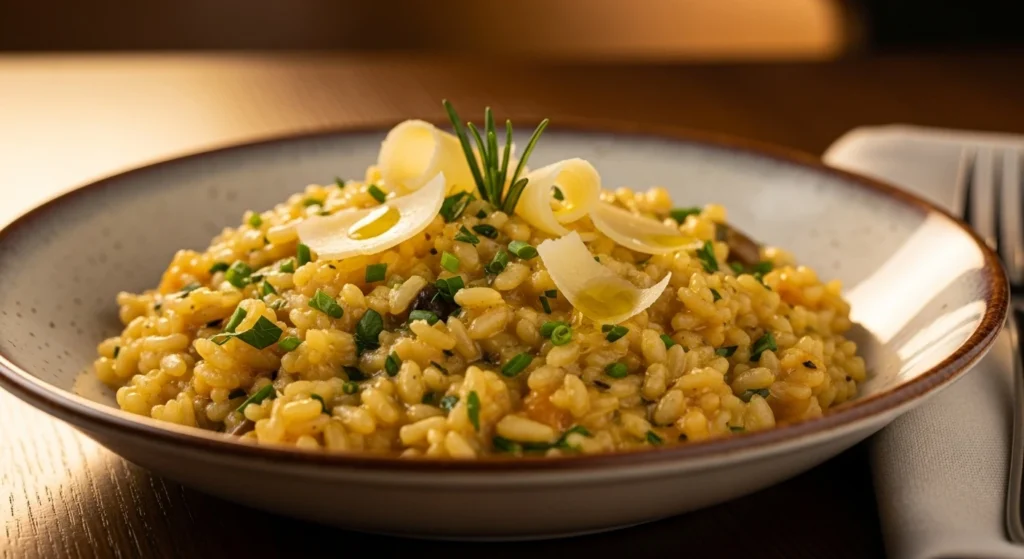
Risotto: The Creamy Italian Comfort Dish Loved Around the World
Table of Contents
Introduction
Few dishes embody the warmth and comfort of Italian cooking quite like risotto. Creamy, rich, and endlessly versatile, this traditional rice dish has become a global favorite for home cooks and chefs alike. Whether infused with earthy mushrooms, luxurious saffron, or fresh seasonal vegetables, risotto is a meal that feels both elegant and comforting.
If you’ve ever wondered how to make authentic risotto at home, you’re in the right place. In this guide, we’ll walk through the history of risotto, the essential ingredients, and a detailed step-by-step preparation method. You’ll also discover the surprising health benefits that come with this hearty Italian dish. By the end, you’ll feel confident enough to cook risotto in your own kitchen and bring a taste of Italy to your table.
A Brief History of Risotto
Risotto’s story begins in Northern Italy, particularly in the regions of Lombardy, Piedmont, and Veneto, where rice cultivation flourished thanks to fertile plains and abundant water from the Po River.
Rice was first introduced to Italy in the 14th century through trade with the Middle East. By the 15th century, Northern Italians began experimenting with ways to prepare rice that suited their local flavors. Unlike Asian cultures that boiled rice until light and fluffy, Italians embraced a technique that created a creamy, almost velvety texture by slowly stirring rice with broth.
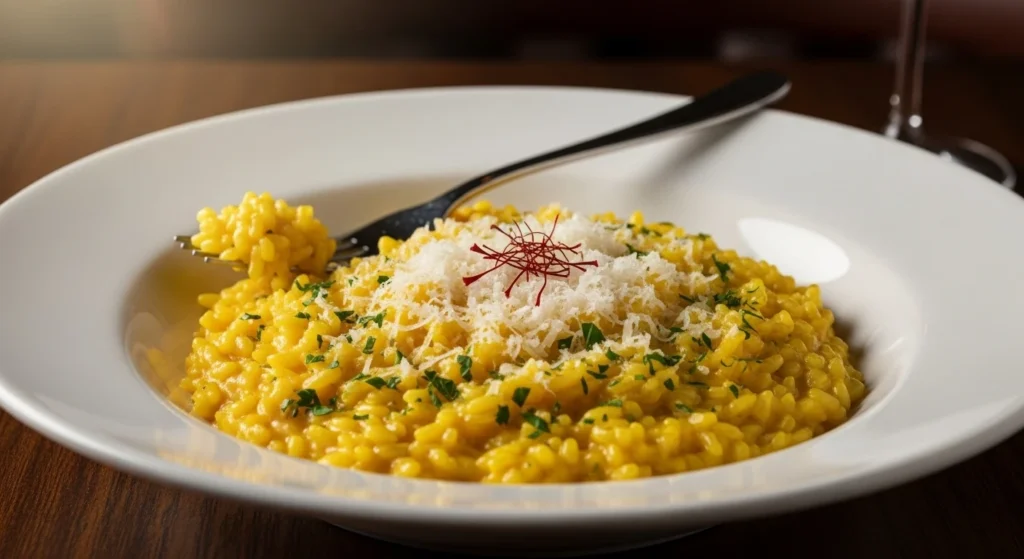
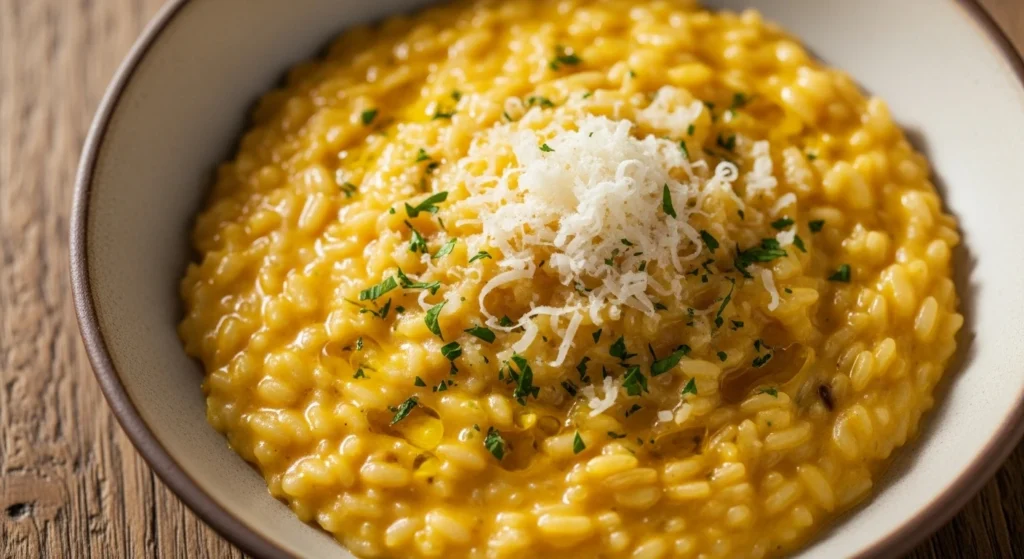
The most famous risotto variety, Risotto alla Milanese, was born in the 16th century in Milan. It is infused with saffron, which gives the dish its signature golden color and delicate flavor. Legend has it that a painter’s apprentice accidentally spilled saffron into a pot of rice during a wedding feast, creating the first saffron risotto.
Over time, risotto evolved into countless regional variations. From seafood risotto in Venice to mushroom risotto in Piedmont, every Italian region has its own take. Today, risotto is a symbol of Italian hospitality and creativity, enjoyed in both rustic kitchens and Michelin-starred restaurants worldwide.
Key Ingredients for Risotto
The beauty of risotto lies in its simplicity. With just a few pantry staples and fresh add-ins, you can create a dish that feels luxurious and satisfying. Here are the essentials:
1. Rice
Not all rice is created equal when it comes to risotto. The best types are short-grain varieties with high starch content, which give risotto its creamy texture. Popular choices include:
- Arborio rice – the most common and widely available.
- Carnaroli rice – often called the “king of risotto” for its firm texture and ability to absorb flavors.
- Vialone Nano – smaller grains that produce an especially creamy consistency.
2. Broth
The broth is the backbone of risotto. It’s gradually absorbed by the rice, infusing it with flavor. Depending on your recipe, you can use:
- Chicken broth (rich and savory)
- Vegetable broth (light and vegetarian-friendly)
- Seafood broth (perfect for seafood risotto)
3. Aromatics
Onions, shallots, and garlic form the aromatic base that builds flavor from the start.
4. Wine
A splash of white wine adds acidity and depth, balancing the richness of the rice and cheese.
5. Cheese
Authentic risotto almost always includes Parmigiano-Reggiano, grated in at the end for creaminess and a nutty flavor.
6. Butter and Olive Oil
Used to sauté aromatics and enrich the dish with silky texture.
7. Add-Ins
This is where creativity shines. Popular additions include:
- Mushrooms
- Asparagus
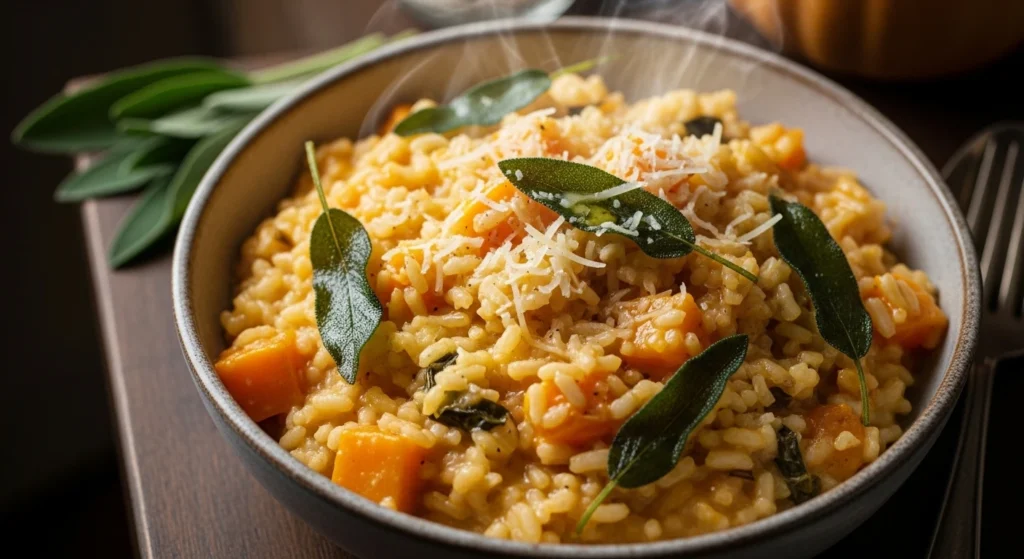
- Pumpkin
- Shrimp or scallops
- Truffles
- Saffron
Step-by-Step Preparation of Risotto
Cooking risotto is an art form—but it’s not as intimidating as many believe. All you need is patience, a wooden spoon, and about 30 minutes of your time. Here’s a foolproof step-by-step guide:
Step 1: Prepare Your Broth
Heat your chosen broth (chicken, vegetable, or seafood) in a saucepan and keep it warm over low heat. Warm broth helps the rice cook evenly without slowing the cooking process.
Step 2: Sauté the Aromatics
In a large pan or skillet, heat a tablespoon of butter and olive oil. Add finely chopped onions or shallots and cook until soft and translucent. This creates a flavorful base for your risotto.
Step 3: Toast the Rice (Tostatura)
Add your Arborio or Carnaroli rice to the pan. Stir constantly for 2–3 minutes until each grain is lightly toasted and coated with fat. This step enhances flavor and ensures the grains hold their shape while cooking.
Step 4: Deglaze with Wine
Pour in half a cup of dry white wine and stir until it evaporates. This step adds brightness and depth of flavor.
Step 5: Add Broth Gradually
Now comes the signature risotto technique. Ladle in one scoop of hot broth at a time, stirring frequently. Allow the rice to absorb the liquid before adding more. This process releases the rice’s natural starch, creating that signature creamy texture.
Step 6: Add Your Main Ingredient
Halfway through cooking (about 10 minutes in), stir in your main ingredient—whether it’s sautéed mushrooms, roasted pumpkin, or shrimp. This ensures everything cooks evenly.
Step 7: Taste for Doneness
Risotto typically takes about 18–20 minutes to cook. The rice should be tender but still slightly firm in the center—what Italians call “al dente.”
Step 8: Finish with Butter and Cheese (Mantecatura)
Remove the pan from heat and stir in a knob of butter and a generous handful of grated Parmigiano-Reggiano. This step, called mantecatura, gives risotto its luscious, creamy finish.
Step 9: Serve Immediately
Risotto waits for no one! Serve hot, garnished with fresh herbs, extra cheese, or a drizzle of truffle oil if you’re feeling indulgent.
Health Benefits of Risotto
While risotto is often seen as an indulgent dish, it also offers several nutritional benefits—especially when prepared with wholesome ingredients.
1. Provides Energy
Rice is a rich source of carbohydrates, the body’s primary energy fuel. A bowl of risotto makes for a satisfying and energizing meal.
2. Good Source of Protein
When paired with seafood, chicken, or legumes, risotto becomes a protein-packed dish that supports muscle repair and overall health.
3. Contains Essential Vitamins and Minerals
- Parmesan cheese adds calcium and phosphorus, which support bone health.
- Mushrooms, asparagus, and other vegetables contribute fiber, vitamin C, and antioxidants.
- Saffron (used in Risotto alla Milanese) is believed to have mood-boosting properties.
4. Gluten-Free Option
Since risotto is naturally made with rice, it’s an excellent option for those with gluten sensitivities—just be mindful of added ingredients like broth or toppings.
5. Promotes Satiety
The creamy texture and balanced macronutrients (carbs, fats, and proteins) make risotto a filling dish that helps prevent overeating.
Tips for Perfect Risotto Every Time
- Don’t rush: Risotto requires patience. Stirring slowly and consistently makes all the difference.
- Use warm broth: Cold broth will shock the rice and halt the cooking process.
- Taste as you go: Adjust salt, pepper, and doneness along the way.
- Don’t overcook: Risotto should be creamy, not mushy. Stop when grains are tender but still slightly firm.
- Serve immediately: Risotto doesn’t reheat well—enjoy it fresh.
Conclusion
Risotto is more than just rice—it’s a comforting embrace of Italian tradition, creativity, and flavor. With its rich history, simple ingredients, and endless possibilities, risotto is a dish that invites both beginner cooks and seasoned chefs to experiment and enjoy.
The next time you crave a warm, hearty meal, why not try making risotto at home? Once you master the basic technique, you can customize it with seasonal vegetables, seafood, or even a luxurious touch of truffle oil.
Just like sourdough baking, risotto is a dish that rewards patience and care—two simple ingredients that make any homemade meal unforgettable. So grab your wooden spoon, pour yourself a glass of wine, and let your kitchen fill with the aromas of Italy. Buon appetito!