Tulumba: The Sweet, Crispy Turkish Treat Loved Worldwide
Table of Contents
Introduction
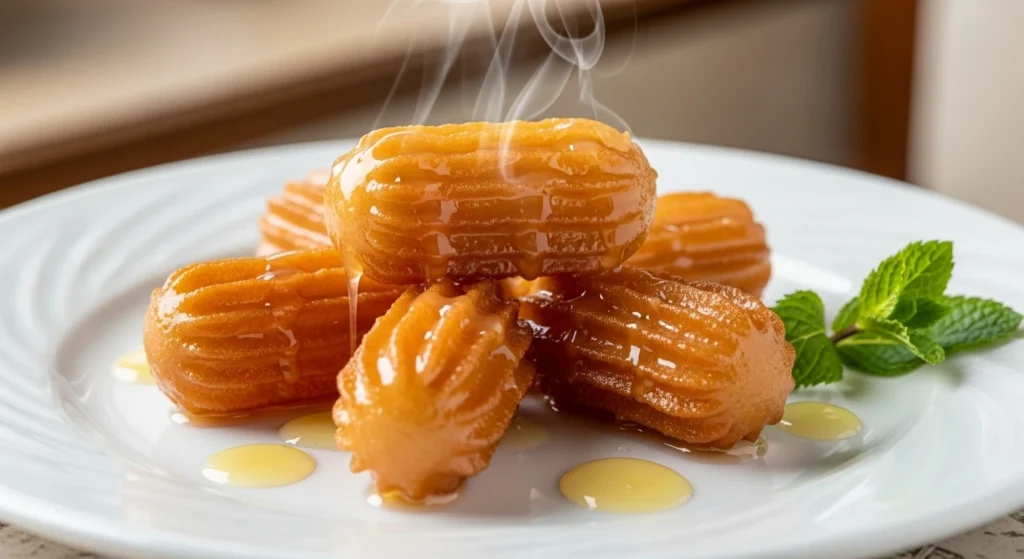
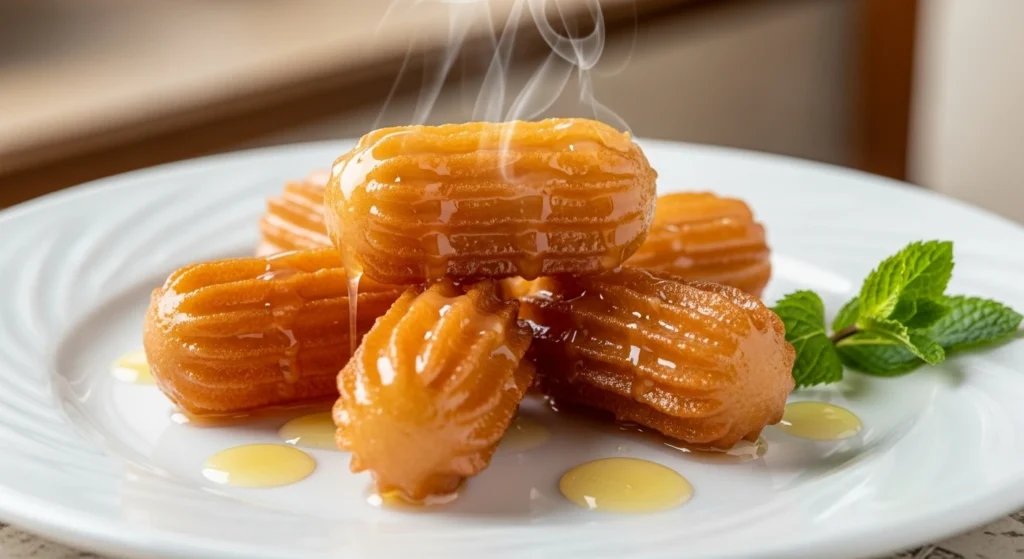
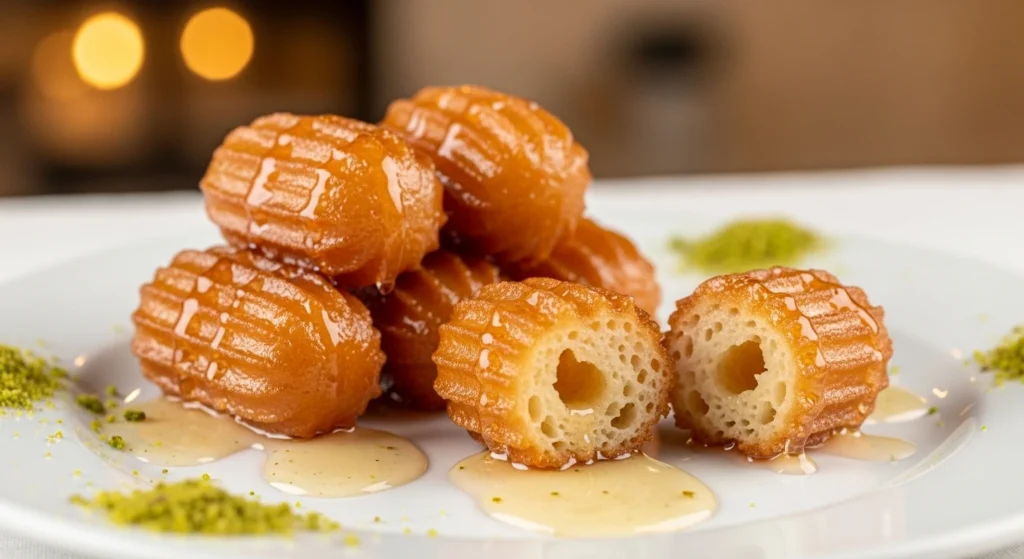
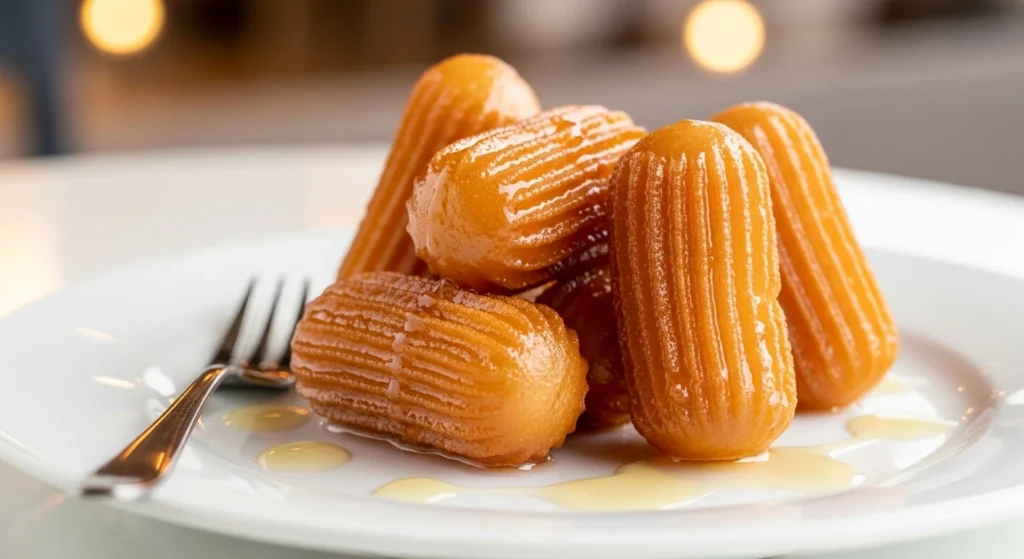
Among the array of Turkish desserts, Tulumba stands out as a crunchy, syrup-soaked delight that’s impossible to resist. Famous for its crisp exterior and soft, airy interior, Tulumba is a staple at bakeries, street vendors, and family gatherings across Turkey and the Middle East.
Its appeal lies in its simplicity: fried dough shaped into finger-sized ridges, drenched in sweet syrup, and ready to enjoy in minutes. This little pastry may look modest, but its flavor and texture make it one of the most beloved desserts of the region.
In this blog post, we’ll explore the history of Tulumba, the ingredients that bring it to life, a step-by-step preparation guide, and even its health benefits. Whether you’re a dessert enthusiast or a curious home baker, Tulumba offers a sweet adventure worth exploring.
History of Tulumba
Ottoman Roots
Tulumba traces its origins to the Ottoman Empire, where innovative chefs combined simple ingredients to create indulgent desserts. While it shares similarities with Churros in Spain and Latin America, Tulumba is unique in its syrup-soaked finish and airy texture.
Cultural Significance
In Turkey, Tulumba is more than just a dessert—it’s part of everyday life and special occasions alike. Street vendors have been selling these treats for centuries, making it a symbol of comfort, celebration, and community. During Ramadan, Tulumba often appears on dessert tables to break the fast, offering a sweet, energizing treat after a day of fasting.
Spread Across Regions
While Tulumba is distinctly Turkish, it has spread across the Balkans, the Middle East, and Central Asia, often under different names but retaining its crisp-fried, syrupy essence. Today, it’s loved from Istanbul to Cairo, Sarajevo to Beirut, and beyond.
Ingredients for Authentic Tulumba
Tulumba is surprisingly simple to make at home. Its flavor comes from fresh ingredients and precise preparation.
Dough Ingredients:
- All-purpose flour – Forms the base of the dough.
- Water – Helps create a soft, pliable dough.
- Butter or oil – Adds richness and tenderness.
- Eggs – Bind the dough and provide structure.
- Salt – Enhances flavor.
Syrup (Şerbet) Ingredients:
- Sugar – Provides sweetness.
- Water – Dissolves the sugar to create syrup.
- Lemon juice – Balances sweetness and prevents crystallization.
Optional Enhancements:
- Vanilla extract – Adds fragrance to the dough.
- Rosewater or orange blossom water – Infuses syrup with a subtle floral aroma.
Step-by-Step Preparation of Tulumba
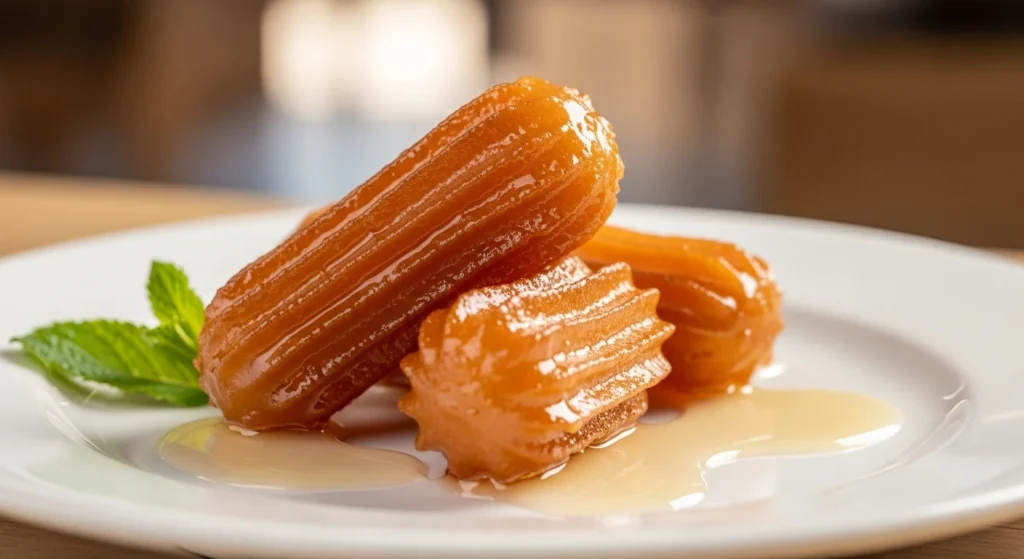
Making Tulumba at home is easier than it looks. With the right technique, you can achieve the perfect crispy exterior and soft interior.
Step 1: Prepare the Syrup
- In a saucepan, combine 2 cups sugar and 1½ cups water.
- Bring to a boil, stirring until the sugar fully dissolves.
- Add a few drops of lemon juice.
- Let it simmer for 10–15 minutes until slightly thickened.
- Optionally, add rosewater or orange blossom water for extra aroma.
- Remove from heat and allow it to cool completely.
Step 2: Make the Dough
- In a small saucepan, bring 1 cup water and 100g butter to a boil.
- Add a pinch of salt.
- Reduce heat and stir in 1 cup flour quickly until it forms a smooth dough.
- Remove from heat and let it cool slightly.
- Beat in 2 eggs, one at a time, until the dough becomes smooth and glossy.
Step 3: Shape the Tulumba
- Transfer the dough to a piping bag fitted with a star nozzle.
- Pipe finger-length pieces directly into hot oil (temperature around 175°C / 350°F).
- Fry until golden brown on all sides, turning gently for even cooking.
Step 4: Syrup Soak
- Remove fried Tulumba from the oil and drain excess oil on paper towels.
- Immediately immerse the hot pastries in the cool syrup.
- Allow them to soak for a few minutes until fully coated.
Step 5: Serve
- Arrange Tulumba on a serving platter.
- Optional: Sprinkle lightly with ground pistachios or serve alongside Turkish tea.
- Best enjoyed fresh for maximum crispness.
Health Benefits of Tulumba
While Tulumba is undeniably a treat, it can still offer some minor benefits compared to highly processed sweets.
1. Simple, Natural Ingredients
Unlike packaged desserts, Tulumba is made from flour, water, eggs, and sugar, with optional flavorings like vanilla or rosewater.
2. Energy Boost
Thanks to its sugar content, Tulumba provides a quick source of energy, making it perfect for afternoon tea or festive celebrations.
3. Mood Enhancement
Sweet foods like Tulumba trigger the release of serotonin, promoting feelings of happiness and comfort. Sharing these pastries also strengthens social bonds.
4. Optional Nutritional Boosts
Using rosewater, orange blossom water, or a sprinkle of nuts can add antioxidants and trace nutrients, slightly enhancing the dessert’s nutritional profile.
5. Cultural Connection
Enjoying Tulumba is a way to connect with tradition, which contributes to emotional well-being—sometimes just as important as physical health.
Tips for Perfect Tulumba
- Oil temperature is key – Too hot and the outside burns before the inside cooks; too cold and it becomes greasy.
- Fresh syrup – Pour syrup over hot pastries for ideal absorption.
- Uniform size – Pipe pieces of similar length for even frying.
- Flavor variations – Add a hint of cardamom or cinnamon for a twist.
- Serving suggestion – Pair with Turkish coffee or tea for an authentic experience.
Conclusion
Tulumba is a delightful combination of crispiness and syrupy sweetness that has captured hearts for generations. From the streets of Istanbul to homes across the Middle East, it continues to be a dessert of choice for special occasions and everyday indulgence alike.
For home bakers, making Tulumba is a rewarding experience. It’s an invitation to slow down, enjoy the process, and savor a piece of Turkish culinary tradition. And just like sourdough baking, crafting this crispy, sweet treat offers not just flavor, but a sense of accomplishment and joy.
So why not try your hand at Tulumba? With a little patience, the right ingredients, and a warm syrup, you can bring this classic Turkish dessert to your kitchen and create sweet memories with every bite.