
Turkish Tea (Çay): A Cultural and Aromatic Delight
Table of Contents
Introduction
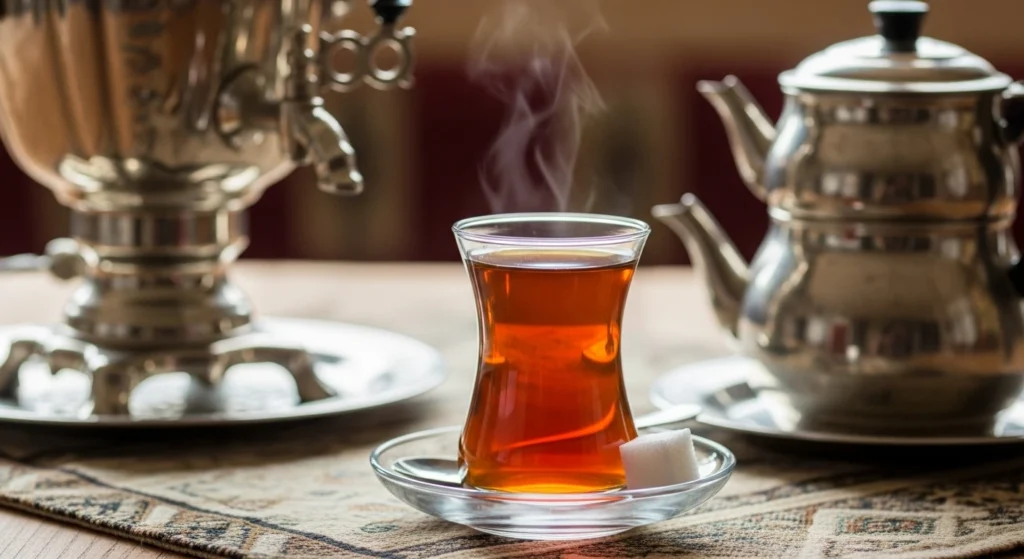
If there’s one beverage that defines Turkey, it’s Turkish tea, or “Çay”. Steeped in tradition and served in tulip-shaped glasses, this dark, flavorful tea is more than just a drink—it’s a symbol of hospitality, social connection, and daily ritual. Whether shared with friends, enjoyed after a meal, or sipped during a quiet morning, Turkish tea is an integral part of life in Turkey.
In this article, we’ll explore the history of Turkish tea, the ingredients that make it special, a step-by-step preparation guide, and its health benefits. By the end, you’ll not only understand the essence of Çay but also feel inspired to brew your own cup at home.
History of Turkish Tea
Origins in Turkey
Tea was first introduced to the Ottoman Empire in the 16th century, but it wasn’t until the early 20th century that Turkey became a major tea-drinking nation. Before that, coffee dominated Turkish beverage culture, with tea considered a foreign import.
The turning point came in Rize, a city on the northeastern Black Sea coast, where the humid climate and fertile soil proved perfect for tea cultivation. By the 1940s, the Turkish government promoted tea cultivation in the region, and Çay quickly became a staple beverage across the country.
Symbol of Hospitality
Offering tea is deeply ingrained in Turkish culture. Guests are almost always welcomed with a glass of Çay, often accompanied by sweets or savory snacks. This ritual underscores the Turkish values of friendship, warmth, and community.
Tea Culture Today
Today, Turkey is one of the largest tea-consuming nations in the world, with average consumption exceeding three cups per person daily. Tea gardens, street vendors, and cafes continue to be social hubs where people gather, chat, and bond over this iconic beverage.
Ingredients for Authentic Turkish Tea
Turkish tea is remarkably simple in terms of ingredients, but the quality of each component makes a huge difference in flavor and aroma.
Main Ingredients:
- Black tea leaves – Preferably from Rize, known for their strong, rich flavor.
- Water – Fresh, filtered water ensures a clean taste.
Optional Additions:
- Sugar – Added according to preference. Turkish tea is traditionally served without milk, though some modern variations allow a splash of milk.
- Lemon slices or herbs – Occasionally added for flavor, though less common in traditional Turkish tea.
Step-by-Step Preparation of Turkish Tea
Turkish tea is brewed differently from standard Western teas. It uses a çaydanlık, a special double-stacked teapot, to create a concentrated brew that is then diluted with hot water.
Step 1: Gather Your Equipment
- Çaydanlık (double teapot) – The lower pot is for boiling water, the upper pot for steeping tea leaves.
- Tea glasses – Tulip-shaped glasses are traditional.
- Tea strainer – Optional, for loose leaves.
Step 2: Boil Water
- Fill the lower part of the çaydanlık with fresh water and bring it to a boil.
Step 3: Prepare Tea Leaves
- Place 2–3 tablespoons of black tea leaves in the upper teapot.
- Pour a small amount of boiling water from the lower pot over the leaves, just enough to cover them.
- Let the leaves steep for 10–15 minutes to release their full flavor.
Step 4: Brew Strong Tea Concentrate
- Once the leaves have steeped, place the upper teapot on top of the lower pot.
- Keep the water in the lower pot simmering gently to maintain heat in the upper pot.
- The top pot now contains a strong tea concentrate, ready to be served.
Step 5: Serving Turkish Tea
- Pour a small amount of the concentrated tea into a tulip-shaped glass.
- Dilute with hot water from the lower pot according to taste (stronger or lighter).
- Add sugar if desired, but traditionally it’s served unsweetened.
Step 6: Optional Pairings
- Turkish tea pairs wonderfully with simit (sesame bagels), baklava, or even a simple plate of fresh fruits or nuts.

Health Benefits of Turkish Tea
Turkish tea isn’t just flavorful—it also provides several health benefits when consumed in moderation.
1. Rich in Antioxidants
Black tea leaves are packed with polyphenols, powerful antioxidants that help protect cells from damage and may reduce the risk of chronic diseases.
2. Supports Heart Health
Studies suggest that regular black tea consumption may improve heart health by lowering blood pressure and reducing LDL cholesterol levels.
3. Boosts Mental Alertness
The moderate caffeine content in Turkish tea provides a gentle energy boost without the jitters, enhancing focus and alertness.
4. Promotes Digestion
Turkish tea is often served after meals, as it may help aid digestion and soothe the stomach.
5. Social and Emotional Benefits
Beyond physical health, drinking Çay is a social ritual. Sharing tea fosters connection, relaxation, and cultural appreciation, contributing to overall well-being.
Tips for the Perfect Cup of Turkish Tea
- Use quality Rize tea leaves – The region’s leaves have a strong, full-bodied flavor.
- Don’t over-steep – Too long can make the tea bitter.
- Keep the tea hot – Using a çaydanlık ensures your tea stays warm throughout the day.
- Serve in tulip-shaped glasses – These help concentrate the aroma and show off the tea’s deep amber color.
- Pair wisely – Traditional sweets or savory snacks enhance the overall experience.

Conclusion
Turkish tea (Çay) is far more than a beverage—it’s a cultural emblem, a daily ritual, and a symbol of hospitality. From its origins in the fertile soils of Rize to its presence in homes and cafes across Turkey, Çay connects people, moments, and traditions in every sip.
For home enthusiasts, brewing Turkish tea is both an art and a pleasure. It’s an invitation to slow down, enjoy the process, and experience a taste of Turkish culture firsthand. And just like sourdough baking, making your own Turkish tea can transform a simple routine into a rewarding, sensory experience.
So why not try it today? With a few simple ingredients, a çaydanlık, and a little patience, you can enjoy the warmth, aroma, and tradition of Turkish tea in your own kitchen.