
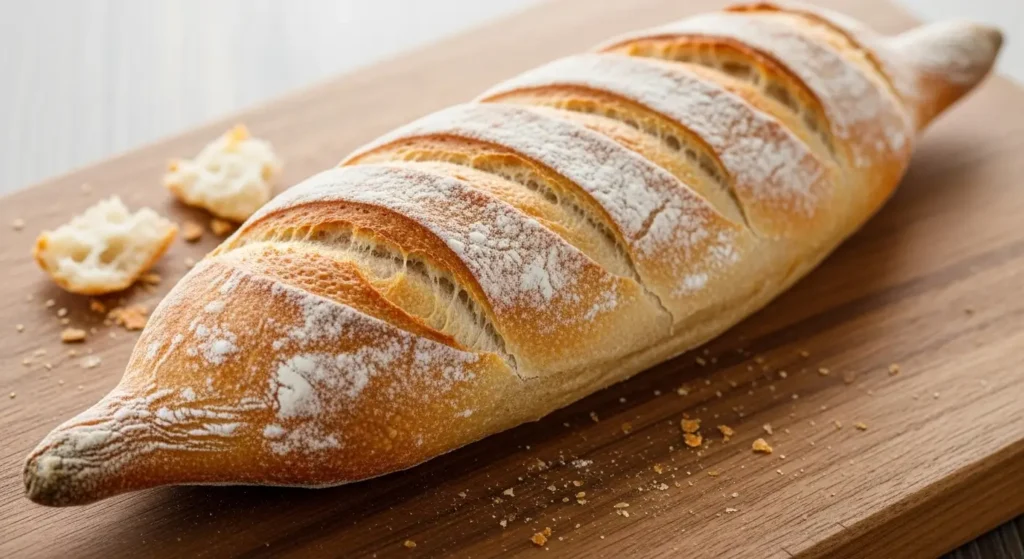
Baguette: The Iconic French Bread Loved Around the World
Table of Contents
Introduction
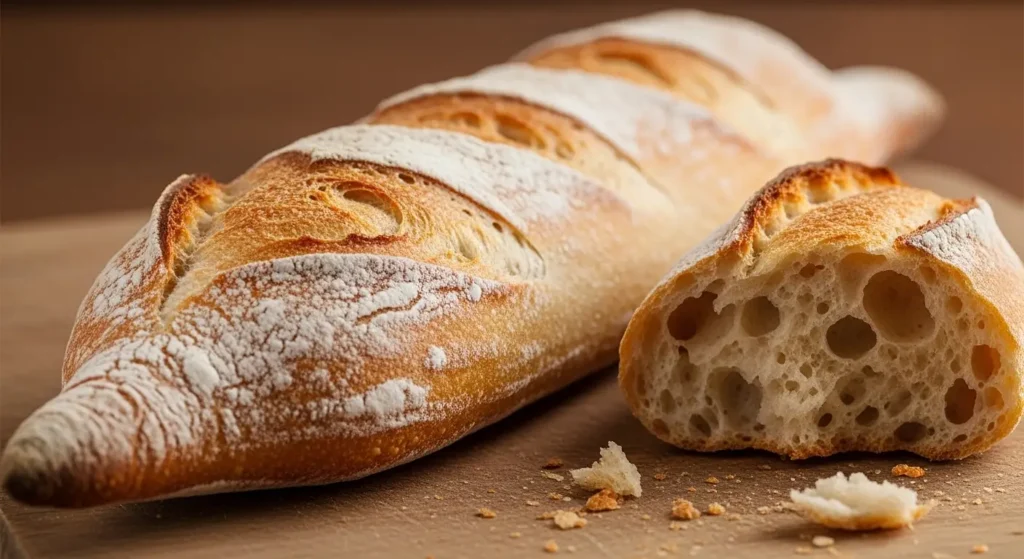
Few foods are as instantly recognizable and universally beloved as the baguette. With its golden crust, airy crumb, and delicate crunch, this long and slender loaf is not just bread—it’s a symbol of French culture and culinary craftsmanship. Whether paired with cheese, dipped into soups, or enjoyed simply with butter, the baguette remains a timeless favorite that continues to inspire bakers and food lovers worldwide.
In this blog post, we’ll take a deep dive into the baguette: exploring its history, key ingredients, how to make it step by step, and even its surprising health benefits. Whether you’re new to baking or a seasoned enthusiast, this guide will help you appreciate the art and science behind this iconic loaf.
A Brief History of the Baguette
The baguette’s story is as rich as its flavor. While bread itself has been around for thousands of years, the modern baguette emerged in France during the 19th and 20th centuries.
Some historians believe its popularity grew after Napoleon ordered bread to be baked in long, portable loaves that soldiers could easily carry. Others attribute the baguette’s rise to early 20th-century laws that prohibited bakers from working before 4 a.m.—making shorter, quicker-to-bake loaves more practical than traditional round loaves.
By the 1920s, the baguette had become a Parisian staple, and soon after, it was recognized globally as the quintessential French bread. Today, it is celebrated as much for its cultural significance as for its flavor and texture. In fact, in 2022, UNESCO added the “artisanal know-how and culture of baguette bread” to its list of Intangible Cultural Heritage of Humanity, cementing its place in culinary history.
Ingredients for a Classic Baguette
What makes the baguette so special is its simplicity. With just a handful of ingredients, bakers can create a loaf that is deeply flavorful yet light and airy.
Here are the essential ingredients you’ll need:
- Flour – High-protein bread flour works best for achieving the desired chewiness and structure.
- Water – Hydration is key to developing the baguette’s open crumb and crisp crust.
- Yeast – Either active dry yeast or instant yeast can be used for leavening.
- Salt – Enhances flavor and strengthens the dough’s gluten network.
That’s it—just four ingredients! But as with many classic recipes, the magic lies in technique, patience, and timing.
Step-by-Step Preparation: How to Bake a Perfect Baguette
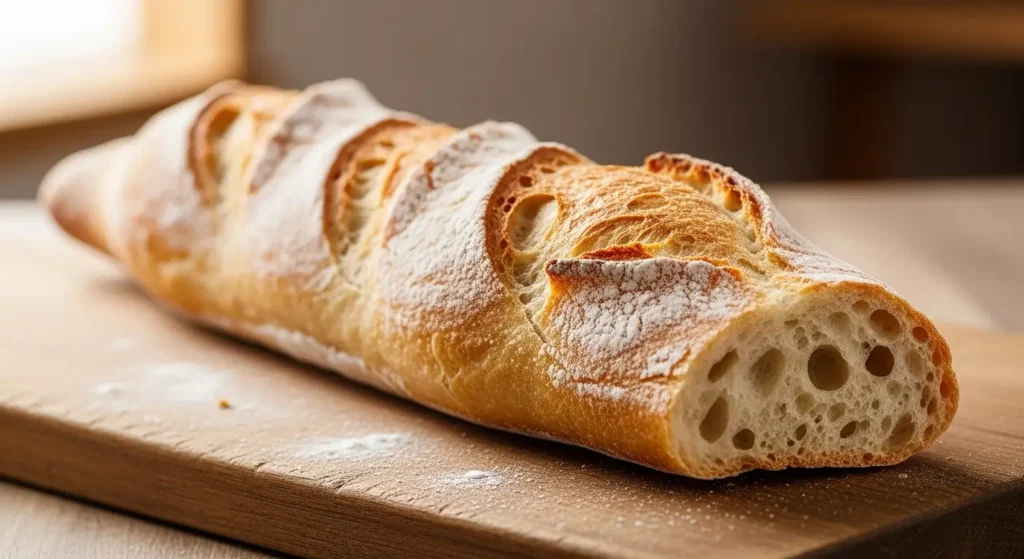
Making a baguette at home may sound intimidating, but with a little practice, anyone can master this French staple. Below is a beginner-friendly guide that breaks the process into clear steps.
Step 1: Mixing the Dough
- In a large bowl, combine 500 g (about 4 cups) of bread flour with 10 g of salt.
- Dissolve 7 g (about 2 tsp) of yeast in 350 ml of lukewarm water.
- Pour the yeast mixture into the flour and mix until a rough dough forms.
Step 2: Kneading
- Transfer the dough to a lightly floured surface and knead for 8–10 minutes until smooth and elastic.
- Alternatively, use a stand mixer with a dough hook for 5–6 minutes.
Step 3: First Rise (Fermentation)
- Place the dough in a lightly greased bowl, cover with a damp cloth, and let it rise at room temperature for 1–2 hours, or until doubled in size.
- This stage develops flavor and gluten strength.
Step 4: Shaping the Baguettes
- Gently punch down the dough to release air.
- Divide into 3–4 equal portions.
- Roll each portion into a long, slender log (about 12–14 inches).
- Place shaped loaves on a floured baking sheet or baguette tray.
Step 5: Proofing (Second Rise)
- Cover the loaves lightly with a cloth and let them proof for 30–45 minutes.
- The dough should look puffy but not collapsed.
Step 6: Scoring
- Preheat your oven to 240°C (465°F).
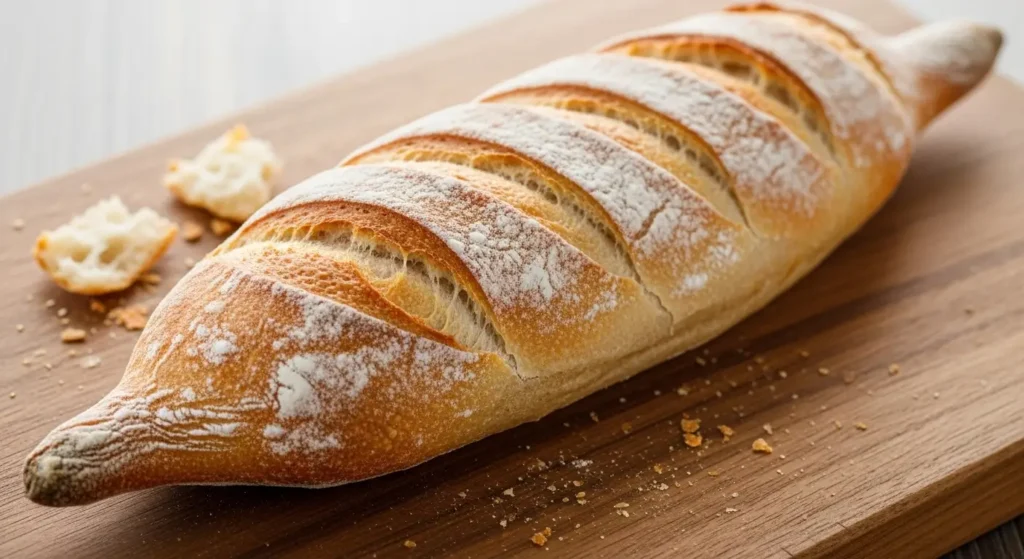
- Just before baking, use a sharp blade or lame to score diagonal slashes along the surface.
- This allows steam to escape and gives baguettes their signature look.
Step 7: Baking
- Place a tray of hot water in the bottom of the oven to create steam (this ensures a crisp crust).
- Bake baguettes for 20–25 minutes until golden brown and hollow-sounding when tapped.
Step 8: Cooling
- Transfer loaves to a wire rack and let them cool before slicing.
- This helps the crumb set properly and keeps the crust crisp.
Health Benefits of Baguette
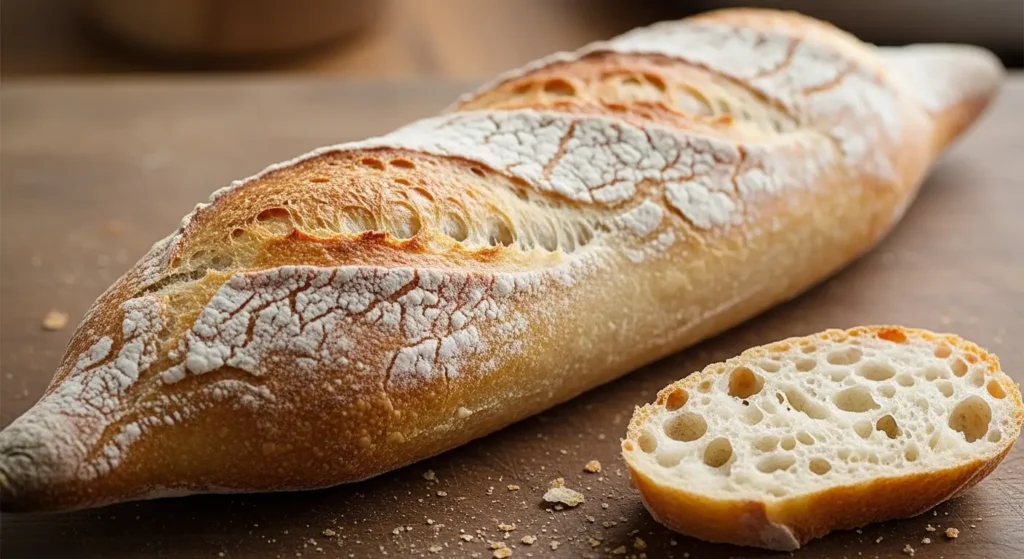
While baguettes are often seen as indulgent, they can also be part of a balanced diet when enjoyed mindfully. Here are some of the health benefits:
1. Good Source of Energy
Thanks to its carbohydrate content, the baguette provides a quick and sustained energy boost, making it ideal for breakfast or as a midday snack.
2. Low in Fat
Traditional baguettes contain minimal fat since they are made without butter or oil, making them lighter than many other types of bread.
3. Supports Digestion
When made with longer fermentation times (such as sourdough-style baguettes), the bread becomes easier to digest and may be gentler on the gut.
4. Rich in Cultural and Emotional Value
Sharing a freshly baked baguette isn’t just good for the body—it nourishes the soul. Food rituals like breaking bread together are linked to stronger social bonds and emotional well-being.
Tips for Success When Baking Baguettes at Home
- Use a baking stone or steel if possible to mimic bakery ovens.
- Don’t skip the steam—it’s the secret to a crisp, blistered crust.
- Practice patience—shaping and proofing can take time to perfect.
- Experiment with sourdough for deeper flavor and added health benefits.
Conclusion
The baguette is more than just bread—it’s a cultural treasure, a daily ritual, and a joy to bake at home. With just four ingredients, a bit of practice, and a little patience, you can recreate the magic of France’s most iconic loaf in your own kitchen.
If you’re curious about bread baking, why not take the leap into sourdough next? The process is similar to making a baguette but adds an extra layer of flavor, nutrition, and artistry. Start small, experiment, and enjoy the simple pleasure of pulling a warm loaf from your oven.
So, roll up your sleeves, dust your countertop with flour, and try baking your own baguette—you’ll soon discover why this bread has captivated the world for centuries.