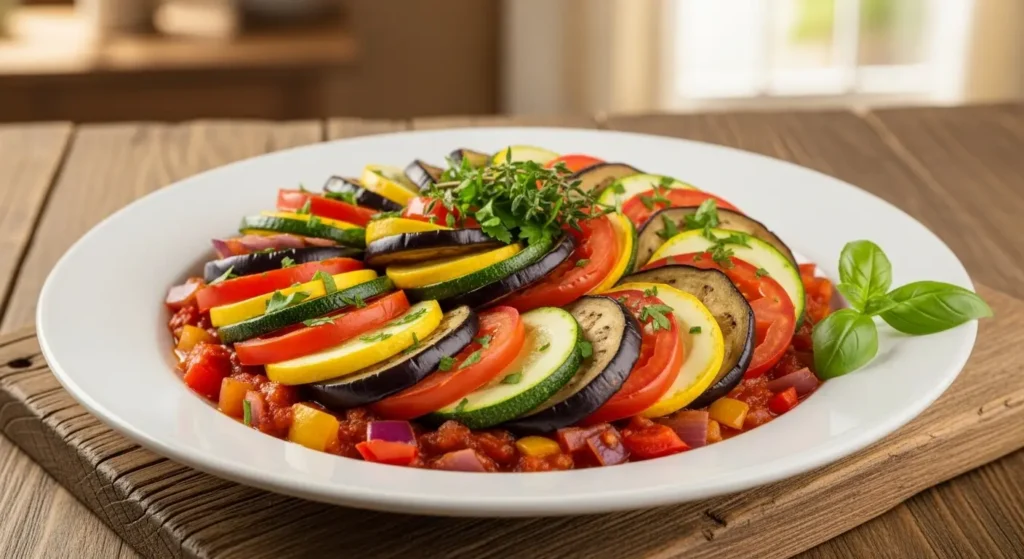
Ratatouille: A Classic French Vegetable Stew with Timeless Flavor
Table of Contents
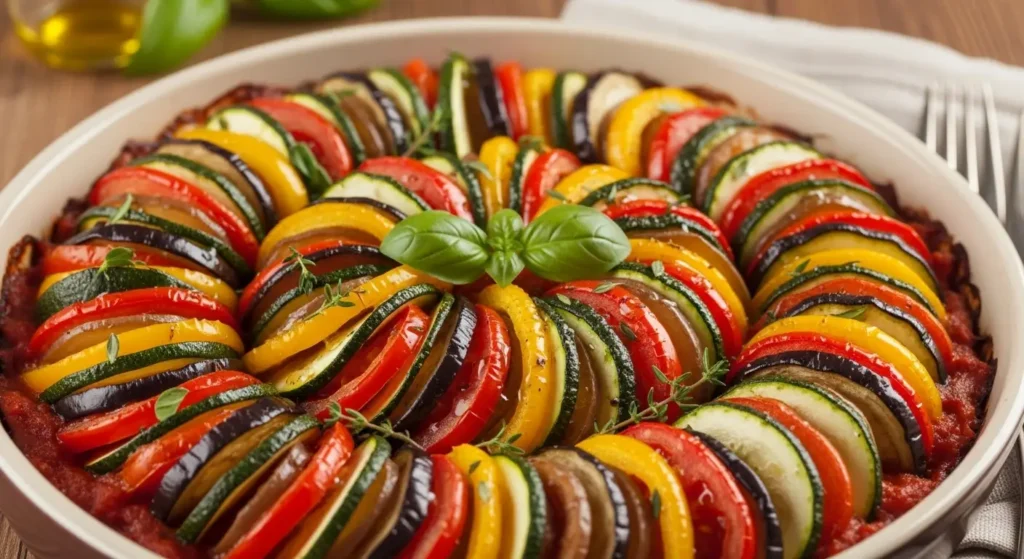
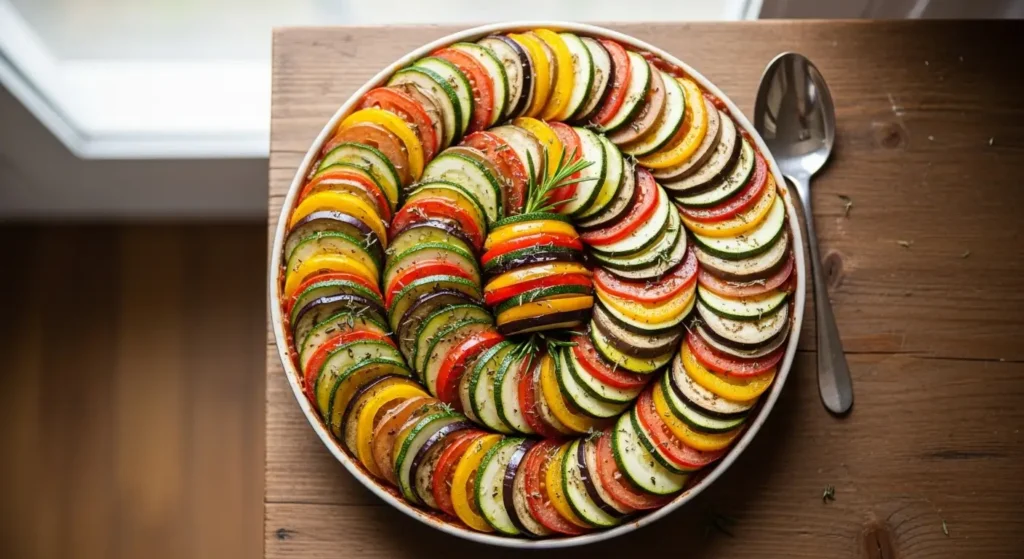
Few dishes capture the heart of French countryside cooking like Ratatouille. Bursting with colorful vegetables, simmered in olive oil, and infused with herbs, this rustic dish is as comforting as it is elegant. Though it may have gained global fame thanks to a certain animated movie, Ratatouille has been a beloved staple in French kitchens for centuries.
In this post, we’ll dive into the history of Ratatouille, explore the ingredients, walk you through a step-by-step preparation guide, and highlight its surprising health benefits. By the end, you’ll not only understand why Ratatouille is cherished worldwide but also feel ready to prepare it yourself.

What is Ratatouille?
At its core, Ratatouille is a Provençal vegetable stew made with eggplant, zucchini, bell peppers, tomatoes, onions, and fresh herbs. Traditionally, the vegetables are sautéed separately and then combined to create a harmony of flavors and textures.
The dish is versatile—it can be served hot or cold, as a main course or side dish, paired with bread, rice, or even fish. Its beauty lies in simplicity: fresh vegetables, slow cooking, and the magic of Mediterranean seasonings.
A Brief History of Ratatouille
Origins in Provence
Ratatouille originates from Provence, a sunny region in southern France known for its olive groves, lavender fields, and fresh produce. The name comes from the Occitan word ratatolha, meaning “to stir up.” Historically, Ratatouille was a humble dish made by farmers and peasants to make use of abundant summer vegetables.
From Peasant Food to Global Fame
Once considered “poor man’s food,” Ratatouille has risen to culinary stardom. In the 18th and 19th centuries, it was common in Provençal households. Over time, chefs elevated the dish, refining the preparation and presentation. Today, it is served everywhere from French bistros to Michelin-starred restaurants.
Pop Culture Boost
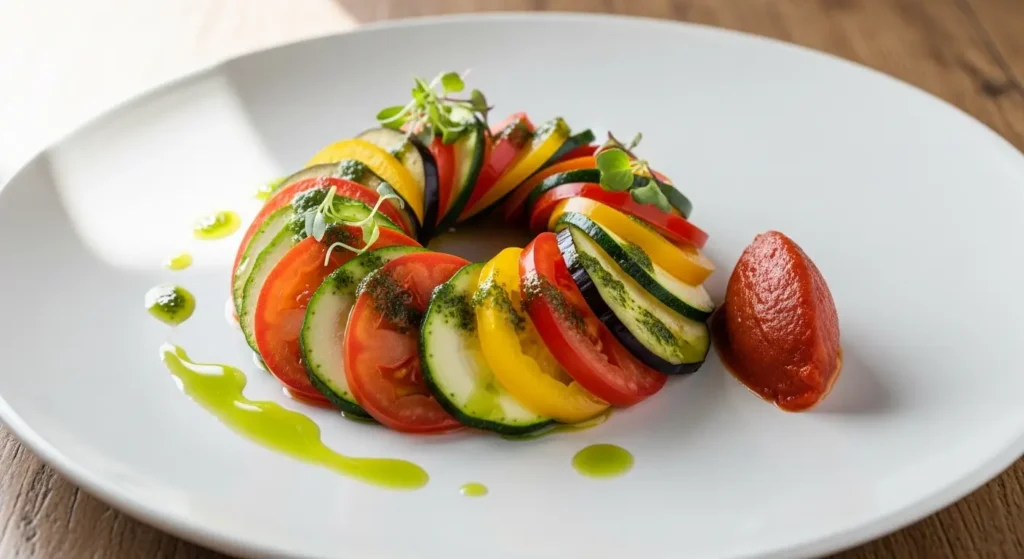
In 2007, Pixar’s film Ratatouille brought global attention to the dish. The movie’s climax—featuring a modern, beautifully plated version of the stew—turned the dish into a household name worldwide. Since then, Ratatouille has become a symbol of both French tradition and culinary artistry.
Ingredients for Traditional Ratatouille
One of Ratatouille’s strengths is its reliance on simple, fresh ingredients. For a classic version, you’ll need:
- Eggplant (1 large) – Adds meaty texture and absorbs flavors beautifully.
- Zucchini (2 medium) – Light, tender, and slightly sweet.
- Bell Peppers (2, preferably red and yellow) – Bring vibrant color and natural sweetness.
- Tomatoes (4 ripe or 1 can diced) – Create the stew’s base and richness.
- Onion (1 large) – Provides sweetness and depth of flavor.
- Garlic (4–5 cloves) – Enhances aroma and taste.
- Olive Oil (4–5 tablespoons) – Essential for Mediterranean richness.
- Fresh Herbs (thyme, basil, rosemary, parsley) – Infuse freshness and authenticity.
- Salt and Black Pepper (to taste) – Balances flavors.
Optional Additions: A splash of balsamic vinegar, bay leaf, or chili flakes for extra depth.
Step-by-Step Preparation of Ratatouille
Though Ratatouille seems simple, the secret lies in cooking the vegetables properly so each retains its flavor. Here’s a traditional method:
Step 1: Prepare the Vegetables
- Wash all vegetables thoroughly.
- Dice the eggplant, zucchini, bell peppers, and onions into evenly sized cubes (about 1-inch pieces).
- Chop the tomatoes and mince the garlic.
Step 2: Sauté Vegetables Separately
- Heat 1 tablespoon of olive oil in a large skillet.
- Cook eggplant until lightly browned and softened. Remove and set aside.
- Repeat with zucchini, then bell peppers, cooking each separately to prevent sogginess.
- This technique ensures that each vegetable maintains its texture and flavor.
Step 3: Cook the Aromatics
- In the same skillet, add another tablespoon of olive oil.
- Sauté onions until translucent, then add garlic.
- Stir in chopped tomatoes and cook until they break down into a sauce-like consistency.
Step 4: Combine Everything
- Add the cooked eggplant, zucchini, and peppers back into the pan.
- Stir gently to coat the vegetables in the tomato sauce.
Step 5: Season and Simmer
- Add fresh thyme, rosemary, and a bay leaf if desired.
- Season with salt and pepper.
- Reduce heat to low, cover, and let the Ratatouille simmer for about 30–40 minutes. Stir occasionally.
Step 6: Garnish and Serve
- Remove herbs and bay leaf.
- Drizzle with a little extra virgin olive oil and sprinkle with fresh basil or parsley.
- Serve warm with crusty bread, rice, or as a side to roasted meats or fish.
Modern Variations of Ratatouille
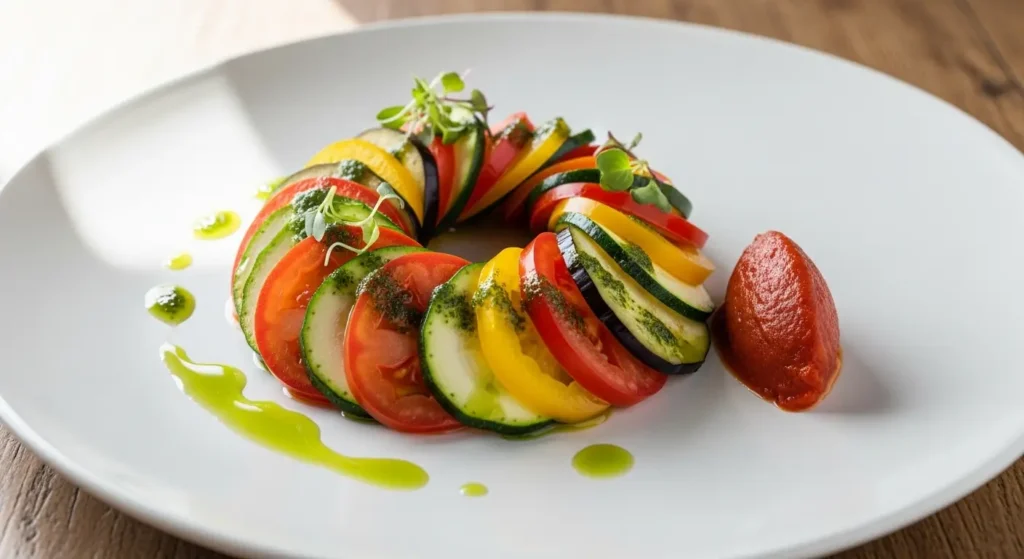
- Confit Byaldi: A refined version where vegetables are thinly sliced and layered beautifully, made famous by Chef Thomas Keller and the Ratatouille movie.
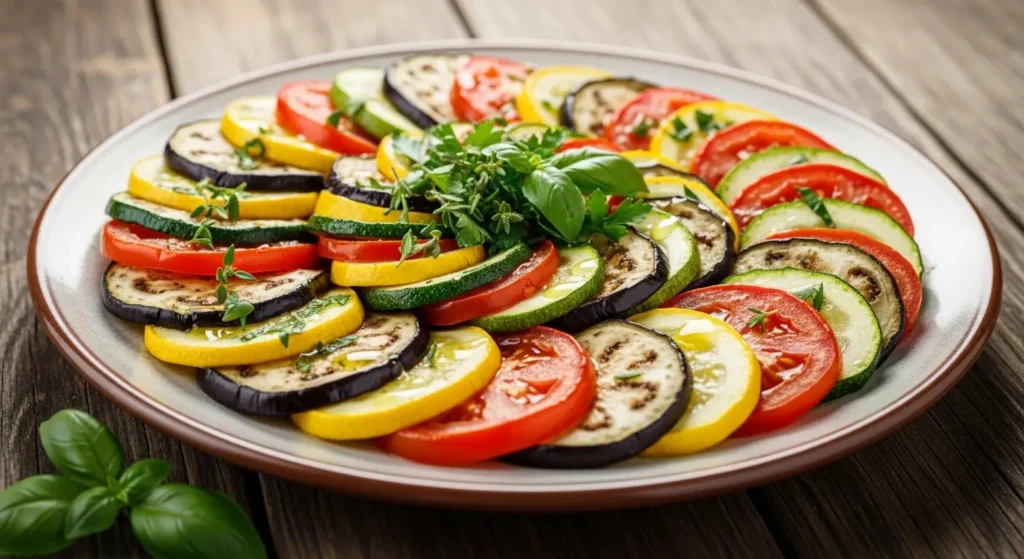
- Grilled Ratatouille: Vegetables are grilled before combining, adding a smoky flavor.
- Chunky Rustic Ratatouille: Left in larger cuts, ideal for a hearty, rustic meal.
Health Benefits of Ratatouille
Not only is Ratatouille delicious, but it’s also incredibly nutritious:
1. Rich in Antioxidants
Tomatoes, peppers, and eggplants are packed with antioxidants like lycopene and vitamin C, which combat oxidative stress.
2. Supports Heart Health
Olive oil and vegetables provide heart-healthy fats, fiber, and nutrients that support cardiovascular function.
3. Low in Calories, High in Fiber
Ratatouille is naturally low in calories but high in fiber, making it filling and supportive of weight management.
4. Promotes Gut Health
The fiber from zucchini, eggplant, and peppers aids digestion and supports a healthy gut microbiome.
5. Boosts Immunity
Garlic, onions, and fresh herbs contain compounds that enhance immune function.
Tips for Making Perfect Ratatouille
- Use Seasonal Vegetables: Fresh summer produce gives the best flavor.
- Don’t Rush the Cooking: Slow simmering allows the flavors to meld beautifully.
- Cook Vegetables Separately: Prevents them from becoming mushy.
- Serve Creatively: Try it with couscous, pasta, or as a topping for bruschetta.
Conclusion: Ratatouille and the Joy of Homemade Cooking
Ratatouille is more than just a vegetable stew—it’s a celebration of seasonal produce, rustic cooking, and French tradition. From its humble beginnings in Provence to its place on global menus, this dish has stood the test of time.
Cooking Ratatouille at home allows you to connect with the ingredients, savor the process, and share a wholesome, flavorful meal with loved ones.
And if preparing Ratatouille inspires you, why not take the next step in your cooking journey and explore sourdough baking? Just like Ratatouille, sourdough is steeped in tradition, requires patience, and rewards you with something both delicious and nourishing. It’s the perfect way to expand your love for homemade food.