
Tapas: The Heart of Spanish Cuisine and Cultu
Table of Contents
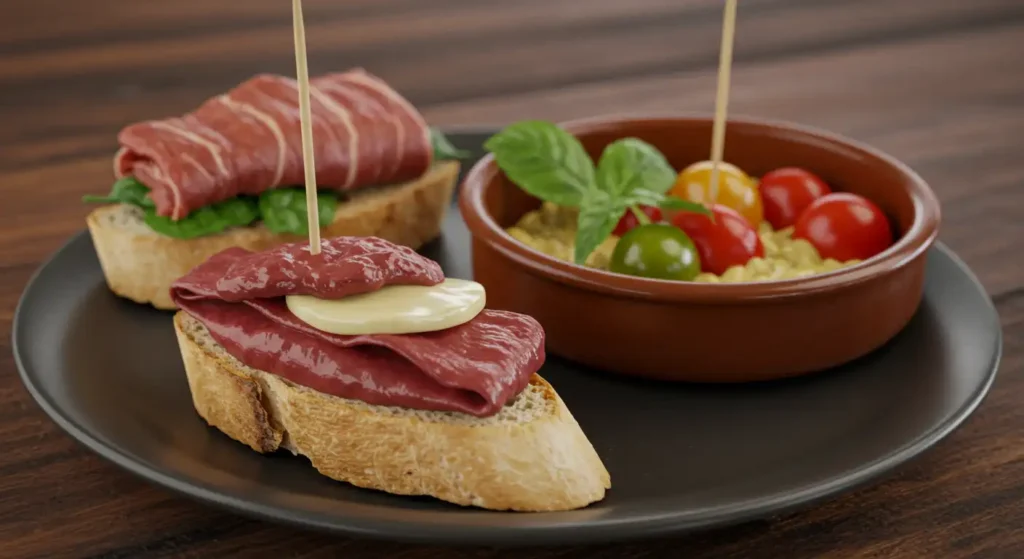
Few culinary traditions are as lively and social as Tapas. These small, flavorful dishes from Spain are more than just food—they represent a way of life centered around sharing, conversation, and enjoyment. Whether you’re sitting in a bustling Madrid bar or recreating them at home, tapas invite you to slow down, savor, and connect.
In this article, we’ll dive into the history of tapas, explore their most common ingredients, learn how to prepare them step by step, and even discuss their health benefits. By the end, you’ll not only understand why tapas are loved worldwide but also feel inspired to bring a little Spanish spirit to your own table.
The History of Tapas
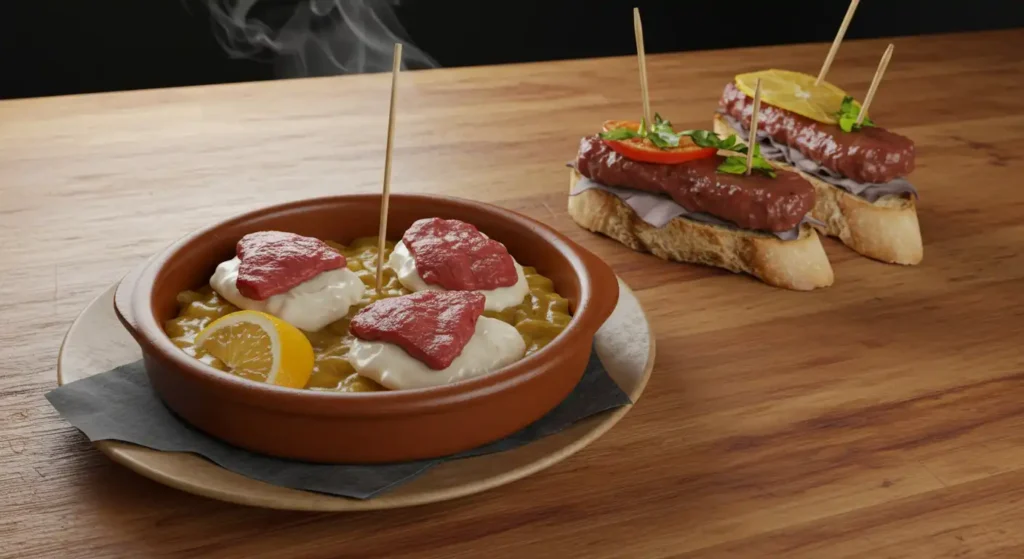
The origins of tapas are steeped in both legend and practicality. The word tapa literally means “cover” or “lid” in Spanish, and the earliest tapas were thought to be small slices of bread or cured ham placed over drinks to keep flies and dust out. Over time, these little snacks evolved into flavorful bites that encouraged people to linger, talk, and order more drinks.
Some stories link tapas to King Alfonso X of Castile, who supposedly ordered small portions of food to be served with wine to prevent drunkenness. Others believe tapas originated in Andalusia, where innkeepers offered salty snacks to encourage more drinking.
Regardless of their precise origin, tapas became a cultural ritual in Spain: a way to enjoy food and drink while connecting socially. Today, tapas bars are a cornerstone of Spanish life, and the tradition has spread worldwide.
Common Ingredients in Tapas
Tapas aren’t a single dish but a collection of small plates, and their ingredients vary depending on the region and the cook. However, certain ingredients appear frequently in tapas menus.
Classic Ingredients in Tapas
- Olive oil – the backbone of Spanish cooking.
- Garlic – aromatic and bold.
- Paprika (pimentón) – adds smoky or sweet flavors.
- Seafood – shrimp, anchovies, squid, and mussels are tapas staples.
- Cured meats – such as jamón ibérico or chorizo.
- Cheese – Manchego and other regional varieties.
- Bread – served alongside or as the base for toppings.
- Vegetables – like peppers, tomatoes, and potatoes.
- Olives – marinated and served simply.
Popular Tapas Dishes
- Patatas Bravas – fried potatoes with a spicy tomato sauce.
- Gambas al Ajillo – sizzling garlic shrimp.
- Tortilla Española – a thick Spanish omelet with potatoes.
- Croquetas – creamy croquettes filled with ham or seafood.
- Albóndigas – Spanish meatballs in a rich tomato sauce.
Tapas can be as simple as marinated olives or as elaborate as slow-cooked stews served in miniature form.
Step-by-Step Preparation: How to Make Tapas at Home
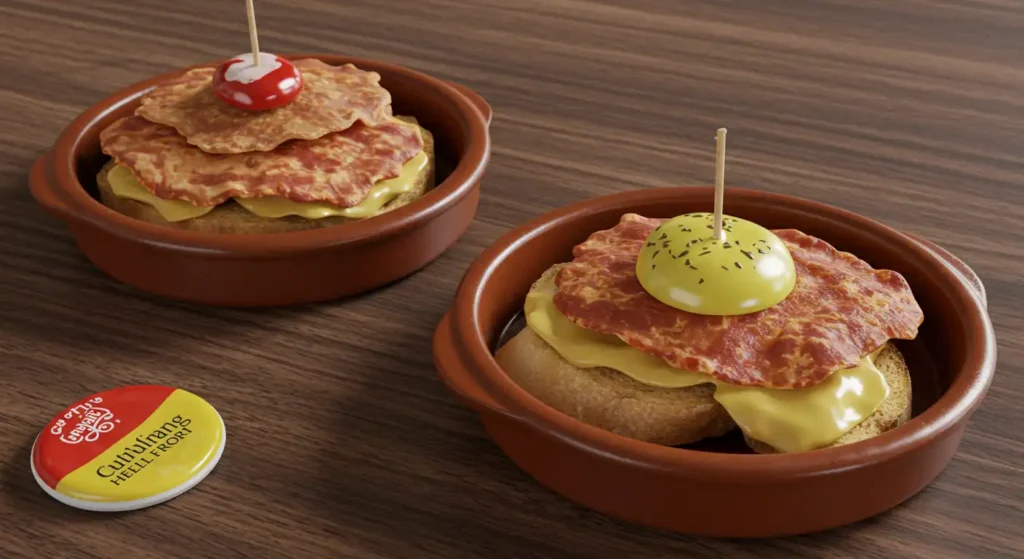
Since tapas is a style of eating rather than one single dish, let’s walk through how you can recreate a simple tapas spread at home. This version includes three classic tapas: Patatas Bravas, Gambas al Ajillo, and Tortilla Española.
Patatas Bravas (Spicy Potatoes)
Ingredients:
- 3 large potatoes, peeled and diced
- Olive oil for frying
- 1 onion, finely chopped
- 2 garlic cloves, minced
- 1 tsp smoked paprika
- ½ tsp chili flakes
- 1 cup tomato puree
- Salt and pepper to taste
Steps:
- Fry diced potatoes until golden and crispy, then set aside.
- In a pan, sauté onion and garlic until soft.
- Add paprika and chili flakes, then stir in tomato puree.
- Simmer for 10 minutes and season to taste.
- Serve crispy potatoes topped with the spicy tomato sauce.
Gambas al Ajillo (Garlic Shrimp)
Ingredients:
- 300g shrimp, peeled and deveined
- 4 garlic cloves, thinly sliced
- ½ cup olive oil
- 1 dried chili or pinch of chili flakes
- Salt and parsley to garnish
Steps:
- Heat olive oil in a skillet.
- Add garlic and chili; cook until fragrant but not burnt.
- Add shrimp and cook for 2–3 minutes until pink.
- Sprinkle with salt and fresh parsley before serving.
Tortilla Española (Spanish Omelet)
Ingredients:
- 4 large eggs
- 3 medium potatoes, thinly sliced
- 1 onion, thinly sliced
- ½ cup olive oil
- Salt to taste
Steps:
- Heat olive oil in a pan and slowly cook potatoes and onion until soft.
- Beat eggs in a bowl, season with salt, and mix with potato-onion mixture.
- Pour mixture back into the pan and cook on low until set on one side.
- Flip carefully and cook the other side until golden.
- Slice into wedges and serve warm or at room temperature.

Health Benefits of Tapas
At first glance, tapas may seem indulgent, but the tapas style of eating has health benefits when done mindfully.
1. Portion Control
Since tapas are small plates, they encourage moderation and tasting a variety of foods rather than overeating one large portion.
2. Rich in Healthy Fats
Spanish cuisine relies heavily on olive oil, a cornerstone of the Mediterranean diet, which is linked to heart health and reduced inflammation.
3. Balanced Nutrition
Tapas menus often feature a mix of proteins, vegetables, whole grains, and legumes, offering well-rounded nutrition.
4. Social Eating Boosts Well-being
Sharing food with others reduces stress and creates a sense of community, which is as important for health as the nutrients themselves.
5. Fresh, Local Ingredients
Traditional tapas emphasize seasonal, fresh ingredients, which are nutrient-dense and naturally flavorful.
Tips for Hosting a Tapas Night
- Mix hot and cold dishes: Pair easy items like olives and cheese with warm, cooked dishes.
- Offer variety: Include meat, seafood, vegetables, and vegetarian options.
- Keep portions small: Tapas are about tasting, not stuffing yourself.
- Serve with Spanish wine or sangria: Drinks are integral to the tapas experience.
- Encourage sharing: Place dishes in the center of the table to foster conversation.
Conclusion
Tapas are more than food—they are a cultural tradition that celebrates connection, flavor, and joy. From the sizzling shrimp of Gambas al Ajillo to the comfort of Patatas Bravas, tapas offer endless possibilities for creativity and enjoyment. Preparing a few tapas dishes at home can instantly transport you to a bustling Spanish bar and introduce you to the spirit of shared dining.
And just like tapas, sourdough baking brings people together, teaching patience, creativity, and the joy of handmade food. If tapas have inspired you to explore global food traditions, why not try baking your own sourdough bread next?