
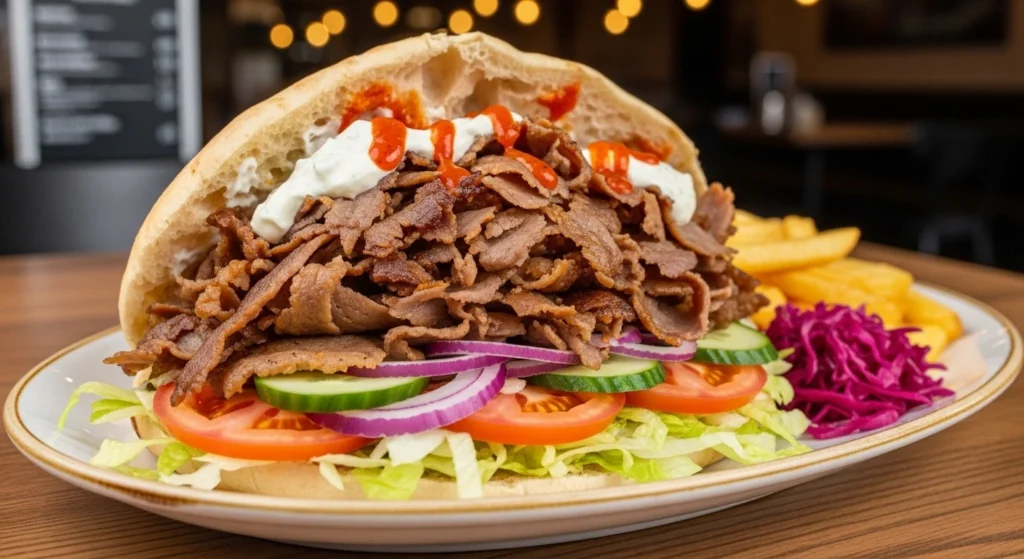
Doner Kebab: The World-Famous Turkish Dish
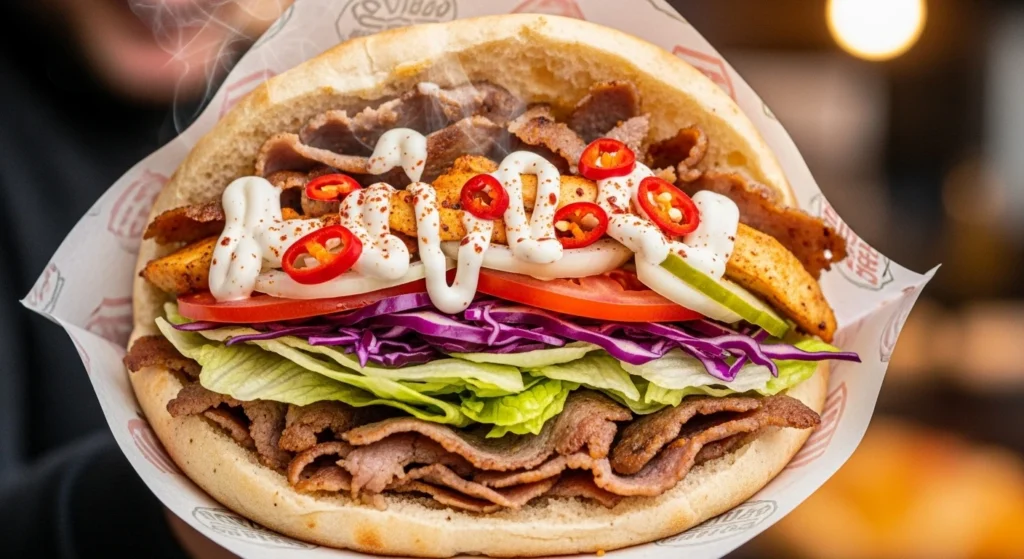
Meta Title: Doner Kebab: History, Ingredients, Preparation & Benefits of the Iconic Turkish Dish
Meta Description: Discover the history, ingredients, preparation, and benefits of Doner Kebab. Learn why this Turkish street food is loved worldwide and how you can enjoy it today.
Table of Contents
Introduction: A Flavorful Journey Begins
Few foods can capture the essence of a culture as deliciously as the Doner Kebab. Imagine walking through the streets of Istanbul or Berlin, the aroma of spiced meat roasting on a vertical rotisserie filling the air, served hot in warm bread with fresh vegetables and tangy sauces. Doner Kebab isn’t just a quick bite—it’s an experience, a story of tradition, migration, and culinary creativity.

In this article, we’ll explore the history of Doner Kebab, the ingredients that make it so irresistible, how it’s prepared, and why it continues to be one of the most beloved street foods around the globe.
History of Doner Kebab: From Ottoman Roots to Global Fame
The origins of Doner Kebab date back to the Ottoman Empire in the 19th century. The word “döner” means “turning” in Turkish, referring to the slow rotation of meat cooked on a vertical spit. Traditionally, lamb was used, seasoned with spices and grilled until tender and juicy.
This style of cooking meat vertically was revolutionary at the time, allowing fat to drip away while keeping the meat flavorful and moist. The method spread quickly, becoming a favorite in Turkish cuisine.
In the 20th century, Turkish immigrants brought Doner Kebab to Europe, particularly Germany. In fact, Berlin is often credited with popularizing Doner Kebab sandwiches in the 1970s, where shaved meat was tucked into bread along with fresh salad and sauces for a convenient, portable meal. From there, Doner Kebab became a global sensation, found in food trucks, restaurants, and street corners from London to New York.
Today, it represents much more than a dish—it’s a symbol of cultural exchange and culinary innovation.
Ingredients of a Classic Doner Kebab
The beauty of Doner Kebab lies in its simplicity and versatility. Here are the typical ingredients that go into making this iconic dish:
1. Meat
- Traditionally lamb, though chicken, beef, and veal are also popular.
- Marinated with spices such as cumin, paprika, coriander, garlic, and oregano.
2. Bread
- Warm pita, lavash, or flatbread wraps are commonly used.
- Some versions serve kebab on plates with rice instead of bread.
3. Vegetables
- Fresh lettuce, tomatoes, onions, cucumbers, and cabbage for crunch and freshness.
4. Sauces
- Garlic yogurt sauce, tahini, chili sauce, or creamy mayo-based dressings.
- The choice of sauce often varies by region, adding unique twists.
5. Seasonings & Garnishes
- Pickles, fresh herbs like parsley, and a squeeze of lemon for zest.
Preparation: How Doner Kebab is Made
Making authentic Doner Kebab at home may seem daunting, but with the right steps, it’s possible to recreate the flavors.
Step 1: Marinate the Meat
- Thin slices of meat are marinated in a mixture of yogurt, olive oil, garlic, paprika, cumin, oregano, and salt.
- The marination process (at least 12–24 hours) ensures the meat absorbs deep flavors.
Step 2: Stacking the Meat
- Traditionally, marinated slices are stacked on a large skewer to form a vertical cone.
- At home, you can layer slices together tightly and roast them in the oven or on a rotisserie attachment.
Step 3: Slow Cooking
- The meat is roasted slowly, allowing the outer layer to crisp while the inside stays juicy.
- As the spit turns, the chef shaves off thin, tender slices.
Step 4: Assembling the Kebab
- Warm bread is filled with shaved meat, fresh vegetables, and sauces.
- Alternatively, Doner Kebab can be served as a platter with rice or fries.
Step 5: Serve & Enjoy
- The best Doner Kebabs balance flavors—savory meat, crisp veggies, creamy sauce, and soft bread.
Benefits of Doner Kebab
Doner Kebab isn’t just delicious—it comes with a few benefits worth noting:
1. Nutritional Balance
- Rich in protein from the meat.
- Fresh vegetables add fiber, vitamins, and crunch.
- When made with lean meats and light sauces, it can be a wholesome, satisfying meal.
2. Cultural Significance
- Doner Kebab represents the blending of traditions, from Turkish roots to international adaptations.
- It serves as a food of community, often shared among friends late at night or during social gatherings.
3. Customizable & Versatile
- Can be tailored to fit different diets—using chicken, lamb, beef, or even vegetarian alternatives like falafel.
- Sauces and bread types vary, making every Doner Kebab experience unique.
4. Convenience
- Quick to serve and easy to eat on the go.
- Perfect for busy lifestyles without compromising flavor.
Doner Kebab in Modern Food Culture
Today, Doner Kebab is more than just a street food—it has become a global food icon. In Europe, especially in Germany and the UK, Doner shops are part of everyday urban life. In the Middle East, it remains close to its traditional roots, while in North America, it’s gaining traction as people seek bold, authentic flavors.
The rise of health-conscious eating has also led to variations like grilled chicken Doner wraps, low-carb bowls, and even vegan Doner options made from seitan or soy. This adaptability ensures that Doner Kebab stays relevant in every food culture.
Conclusion: Why You Should Try Doner Kebab
The Doner Kebab is more than just a meal—it’s a story of tradition, migration, and culinary creativity. From its Ottoman beginnings to its worldwide fame, it continues to win hearts (and taste buds) everywhere.
Whether you enjoy it as a quick street snack in Berlin, a late-night comfort food in London, or a homemade version with family, Doner Kebab delivers flavor, culture, and connection in every bite.
So, next time you’re craving something delicious, satisfying, and steeped in history, give Doner Kebab a try—you’ll be part of a global tradition that spans centuries.