
Dumplings (饺子 – Jiaozi): China’s Beloved Comfort Food
Table of Contents
Introduction
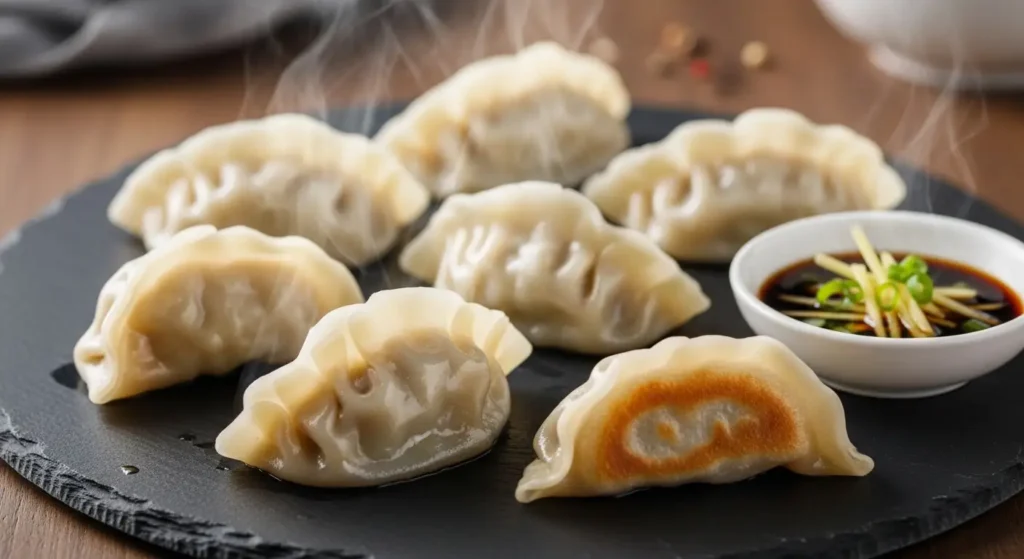
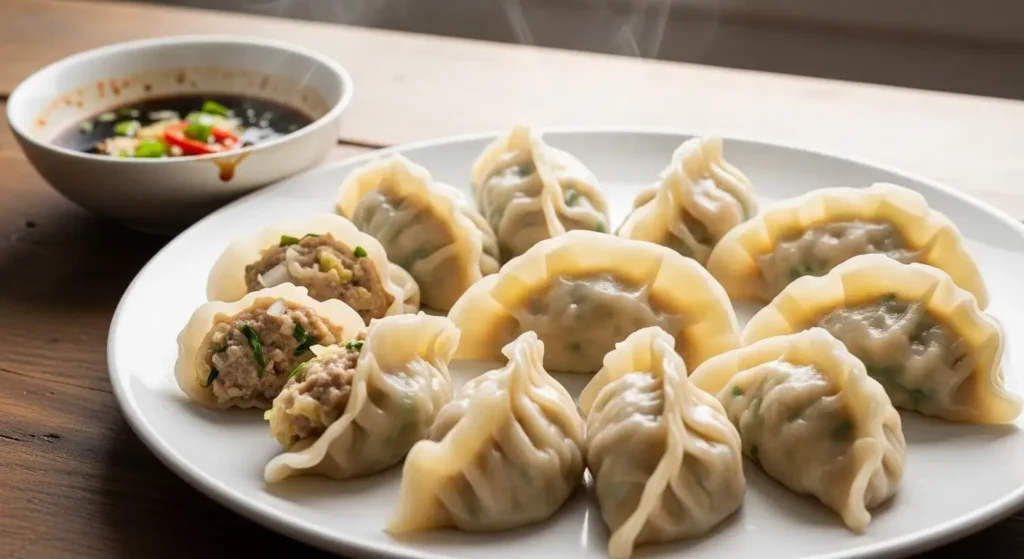
Few foods bring people together the way dumplings (饺子 – Jiaozi) do. With their soft, chewy wrappers, flavorful fillings, and endless variations, dumplings are a symbol of family, tradition, and comfort in Chinese cuisine. Whether steamed, boiled, or pan-fried, dumplings are more than just a dish—they are a cultural experience that has spread across the globe.
If you’ve ever shared dumplings at a Chinese restaurant or tried folding them at home, you know the joy they bring. In this article, we’ll explore the history of Jiaozi, the key ingredients, a step-by-step preparation guide, and the health benefits of eating dumplings. By the end, you’ll see why this humble dish has captured hearts for centuries—and maybe feel inspired to try making your own.
History of Dumplings (饺子 – Jiaozi)
Ancient Origins
Dumplings have a history stretching back over 1,800 years. According to legend, they were invented during the Eastern Han Dynasty (25–220 CE) by Zhang Zhongjing, a renowned Chinese physician. During a particularly harsh winter, many villagers suffered from frostbite on their ears. To help, Zhang created dumplings filled with lamb, herbs, and chili, shaped like little ears, and boiled them in broth to keep people warm and healthy.
Symbolism in Chinese Culture
Over time, dumplings became a staple of northern Chinese cuisine and a symbol of prosperity and togetherness. Their shape, resembling ancient Chinese gold ingots, represents wealth and good fortune. Because of this, dumplings are especially popular during Chinese New Year celebrations, where families gather to fold dumplings and welcome the new year with abundance.
Global Popularity
Today, Jiaozi has traveled far beyond China. From Japanese gyoza to Korean mandu, and even Polish pierogi, dumpling culture has influenced kitchens worldwide. No matter the filling or cooking method, dumplings continue to represent warmth, sharing, and tradition.
Key Ingredients for Dumplings
Making dumplings at home is both fun and rewarding. While there are countless variations, here are the essential ingredients you’ll need.
For the Dumpling Dough
- All-purpose flour – the base for the wrappers.
- Water – usually warm to help form a smooth, elastic dough.
- Salt (optional) – for flavor and elasticity.
For the Filling (Classic Pork and Cabbage)
- Ground pork – tender and juicy protein base.
- Napa cabbage – adds freshness and texture.
- Green onions – for aroma and mild sharpness.
- Soy sauce – umami depth.
- Ginger – warmth and fragrance.
- Sesame oil – nutty richness.
- Salt and white pepper – to balance flavors.
Dipping Sauce Essentials
- Soy sauce – salty base.
- Vinegar – tangy balance.
- Chili oil or paste – optional heat.
- Garlic – extra punch.
👉 The beauty of dumplings is flexibility—you can experiment with fillings like chicken, beef, shrimp, mushrooms, or even vegetarian versions.
Step-by-Step Preparation of Dumplings
Making dumplings at home is easier than it looks. It’s also a fun group activity, perfect for family or friends.
Step 1: Prepare the Dough
- In a large bowl, combine 2 cups of flour with about ¾ cup of warm water.
- Mix until a shaggy dough forms, then knead on a floured surface for 8–10 minutes until smooth.
- Cover with a damp cloth and let it rest for at least 30 minutes. This helps relax the gluten for easier rolling.
Step 2: Make the Filling
- Finely chop napa cabbage, sprinkle with salt, and let it sit for 10 minutes. Squeeze out excess water (this prevents soggy dumplings).
- In a bowl, combine ground pork, cabbage, green onions, soy sauce, ginger, sesame oil, salt, and pepper.
- Mix well until the filling is sticky and cohesive.
Step 3: Roll Out the Wrappers
- Divide the dough into small pieces (about the size of a walnut).
- Roll each into a thin circle, about 3 inches in diameter.
- Keep the wrappers covered to prevent drying.
Step 4: Fold the Dumplings
- Place a small spoonful of filling in the center of each wrapper.
- Fold the wrapper in half and pinch the edges tightly to seal. You can make simple half-moons or pleat the edges for a traditional look.
- Ensure there are no gaps, or the filling may leak during cooking.
Step 5: Cook the Dumplings
You can cook dumplings in three popular ways:
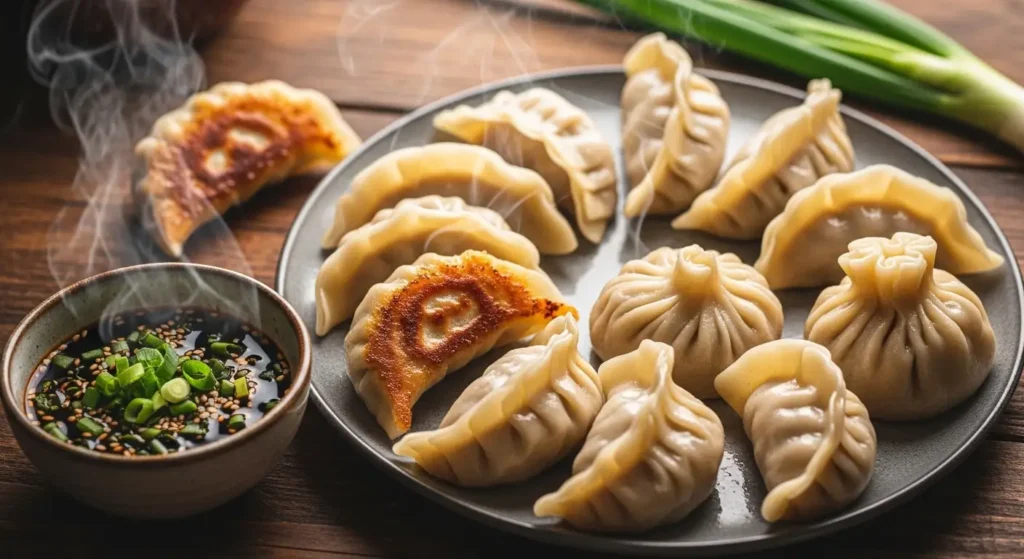
- Boiled (Shuijiao): Drop dumplings into boiling water. When they float, cook 2–3 more minutes until done.
- Steamed (Zhengjiao): Place dumplings in a steamer basket lined with parchment and steam for 10–12 minutes.
- Pan-fried (Guotie or Potstickers): Fry dumplings in a little oil until golden on the bottom. Add water, cover, and steam until cooked through.
Step 6: Serve and Enjoy
Serve hot with dipping sauce, and enjoy with friends and family. Nothing tastes better than dumplings fresh out of the pot or pan.
Health Benefits of Dumplings
Although dumplings are often seen as comfort food, they can also provide solid nutritional benefits, especially when made at home with fresh ingredients.
Balanced Nutrition
- Protein from meat, shrimp, or tofu supports muscle repair and energy.
- Vegetables like cabbage, mushrooms, or carrots provide fiber, vitamins, and antioxidants.
- Carbohydrates from the wrappers give you energy.
This balance makes dumplings a filling yet nourishing meal.
Portion Control
Since dumplings are small, they naturally lend themselves to controlled portions. You can enjoy several without overeating, especially when paired with a light soup or salad.
Customizable and Healthy Options
- Vegetarian dumplings with mushrooms, spinach, or edamame are packed with nutrients.
- Whole wheat wrappers boost fiber.
- Steaming or boiling dumplings is lighter than frying.
Comfort for the Soul
Food isn’t just about nutrition—it’s also about connection. Sharing dumplings around the table provides emotional comfort and strengthens social bonds, which are essential for overall well-being.
Conclusion
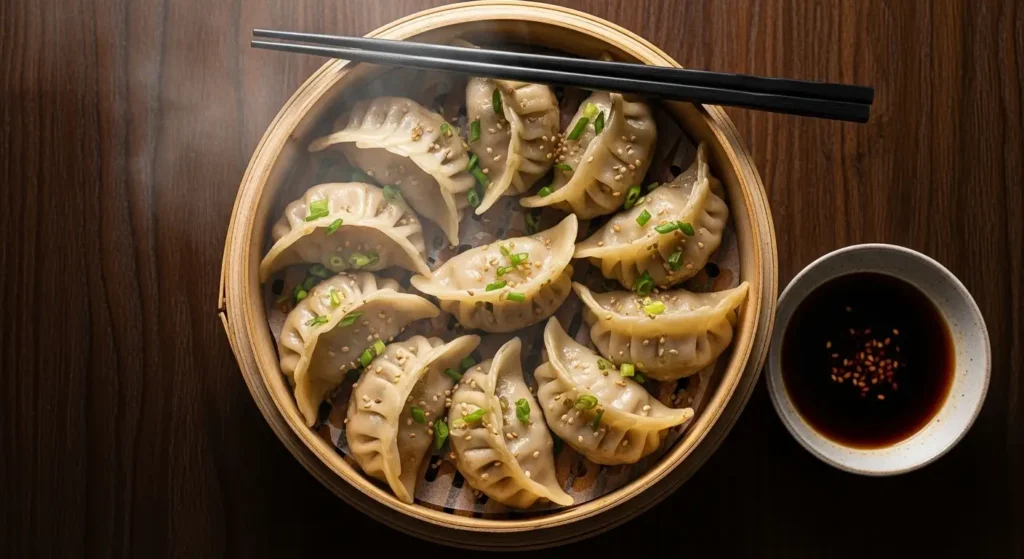
Dumplings (饺子 – Jiaozi) are far more than a simple dish—they are a piece of Chinese history, a symbol of family and prosperity, and a beloved comfort food enjoyed across the world. From their ancient origins to their modern global variations, dumplings remain a celebration of flavor and togetherness.
If you’ve never tried making dumplings at home, don’t be intimidated. The process of mixing dough, folding dumplings, and cooking them is both fun and rewarding. Gather some friends or family, roll up your sleeves, and enjoy the experience—it’s as much about the journey as the taste.
And if making dumplings sparks your love for slow, hands-on cooking, why not try another timeless kitchen craft? Sourdough baking offers the same joy of creation, patience, and reward. Just like dumplings, sourdough bread is steeped in tradition and brings people together.
So, next time you’re looking for a delicious project, make a batch of dumplings—and maybe a loaf of sourdough to go with them. Tradition, taste, and togetherness are just a recipe away.