
Gelato: Italy’s Creamy Dessert Loved Worldwide
Table of Contents

Introduction
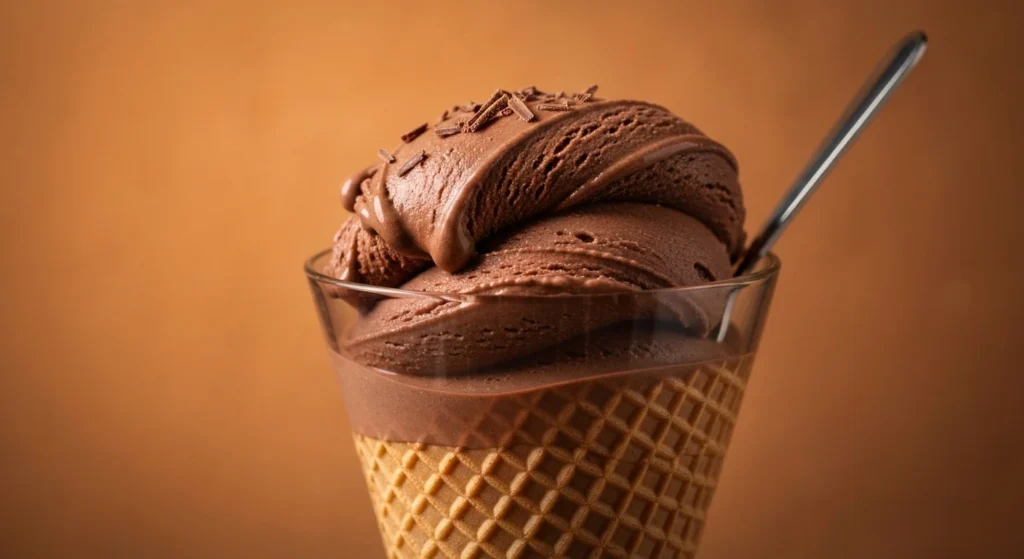
When it comes to desserts that make people smile, gelato is in a league of its own. Known for its creamy texture, rich flavor, and irresistible charm, gelato has been enchanting taste buds in Italy and beyond for centuries. Unlike regular ice cream, gelato feels denser, silkier, and more indulgent, making every spoonful a little moment of joy.
If you’ve ever wondered what makes gelato so special, how it differs from ice cream, or even how to make it at home, this guide will walk you through everything. From its fascinating history and traditional ingredients to the step-by-step preparation process and surprising health benefits, you’ll discover why gelato remains one of Italy’s most beloved culinary treasures.
A Sweet History of Gelato
The roots of gelato stretch far back into history. The word gelato simply means “frozen” in Italian, but its story goes much deeper.
Ancient Inspirations
Historians trace the origins of frozen desserts to ancient China, where snow mixed with fruit juices was enjoyed as an early form of sorbet. This practice spread to the Middle East and eventually reached Europe through trade routes. The Romans were known to bring snow from the mountains to mix with honey and wine, creating refreshing early versions of frozen treats.
Gelato in the Renaissance
Gelato as we know it began taking shape during the Italian Renaissance in the 16th century. One key figure was Bernardo Buontalenti, a Florentine artist and cook. He is often credited with creating the first true gelato recipe—made with milk, honey, egg yolks, and a hint of wine—when he prepared it for a royal banquet.
Spreading Across Italy and Beyond
From Florence, gelato spread across Italy, gaining immense popularity in cities like Venice, Bologna, and Naples. By the 17th century, Sicilian-born chef Francesco Procopio dei Coltelli opened one of Europe’s first gelaterias in Paris, introducing the French to Italy’s creamy delight.
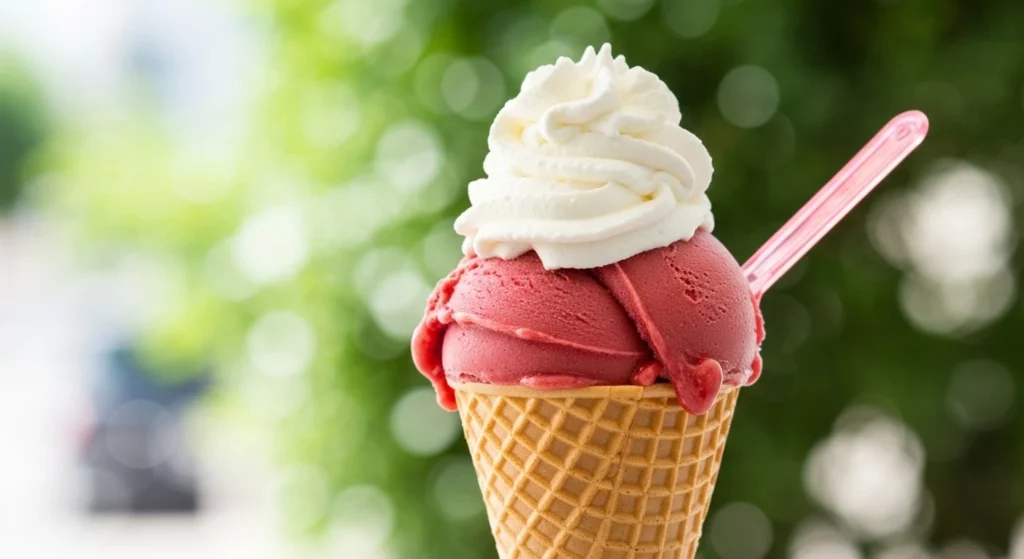
Today, gelato is a global sensation. Walk through the streets of Rome, Florence, or Milan, and you’ll find countless gelaterias, each boasting colorful displays of pistachio, stracciatella, and hazelnut gelato. Its popularity has also expanded worldwide, with artisanal gelato shops now found in cities from New York to Tokyo.
Key Ingredients of Gelato
The magic of gelato lies in its simplicity. Unlike overly processed desserts, authentic Italian gelato is made from fresh, natural ingredients. Here are the essentials:
1. Milk
Whole milk forms the base of gelato. It provides creaminess without making it overly heavy. Gelato typically contains less cream than ice cream, which is why it feels lighter yet richer in flavor.
2. Sugar
Sugar isn’t just for sweetness—it also plays a crucial role in texture. It lowers the freezing point, keeping gelato soft and scoopable rather than rock-hard.
3. Cream (in moderation)
Unlike ice cream, which uses a lot of cream, gelato only uses a small amount. This is what makes gelato lower in fat while still rich and creamy.
4. Eggs (optional)
Some traditional recipes use egg yolks for richness and a custard-like texture, especially in flavors like zabaglione or chocolate. However, many fruit-based gelatos skip eggs altogether.
5. Flavorings
This is where gelato shines. Fresh, natural flavorings are key:
- Nuts: pistachio, hazelnut, almond
- Chocolate: cocoa or melted chocolate
- Fruit: strawberries, mangoes, lemon, berries
- Coffee and liqueurs: espresso, amaretto, or limoncello
6. Air (the secret difference)
One often-overlooked ingredient is air. Gelato contains much less air than ice cream because it is churned more slowly. This makes it denser and more flavorful.
Step-by-Step Preparation of Gelato
Making authentic gelato may sound intimidating, but with the right process, it’s easier than you think. Here’s a simple step-by-step guide:
Step 1: Prepare the Base
In a saucepan, combine whole milk, a little cream, and sugar. Heat gently, stirring until the sugar dissolves. This creates the base for your gelato.
Step 2: Add Egg Yolks (Optional)
For custard-style gelato, whisk egg yolks in a bowl. Slowly pour the hot milk mixture into the yolks, whisking constantly. Return to the heat and stir until slightly thickened, but don’t let it boil.
Step 3: Add Flavorings
Now’s the time to introduce your chosen flavor—be it melted chocolate, vanilla bean, espresso, or pureed fruit. Stir until fully incorporated.
Step 4: Chill the Mixture
Transfer the base to a bowl and chill in the refrigerator for several hours, or ideally overnight. Cold mixtures churn better and result in smoother gelato.
Step 5: Churn Slowly
Pour the chilled mixture into a gelato maker or ice cream machine. Churn slowly to incorporate less air than typical ice cream. This is what gives gelato its denser texture.
Step 6: Freeze Briefly
Transfer the churned gelato to a container and freeze for 2–3 hours. Unlike ice cream, gelato is best enjoyed fresh, so don’t leave it in the freezer too long.
Step 7: Serve and Enjoy
Scoop into bowls or cones, and savor your homemade gelato immediately. Garnish with fresh fruit, chopped nuts, or a drizzle of chocolate if you like.

Health Benefits of Gelato
Many people assume desserts can’t be healthy—but gelato, when made with quality ingredients, offers surprising benefits.
1. Lower Fat Content
Compared to traditional ice cream, gelato typically contains less cream and fat. This means it’s lighter on calories without sacrificing flavor.
2. Rich in Nutrients
Depending on the flavor, gelato can provide vitamins and minerals:
- Fruit-based gelatos deliver vitamin C, antioxidants, and fiber.
- Nut-based flavors like pistachio or hazelnut are rich in healthy fats, protein, and magnesium.
- Milk-based gelatos provide calcium and protein for bone health.
3. Natural Ingredients
Artisanal gelato often avoids artificial flavors and preservatives, relying instead on fresh fruit, nuts, and real chocolate. This makes it a more wholesome dessert compared to mass-produced ice cream.
4. Smaller Portions, More Satisfaction
Because gelato is denser and more flavorful, a small scoop feels satisfying, helping you enjoy dessert in moderation.
5. Gluten-Free Option
Most gelato is naturally gluten-free, though it’s always best to check specific recipes or store-bought options if you have sensitivities.
Gelato vs. Ice Cream: What’s the Difference?
It’s impossible to talk about gelato without comparing it to its global cousin, ice cream. Here are the main differences:
- Fat Content: Gelato uses less cream, so it’s lower in fat.
- Air Content: Gelato is churned slower, making it denser and more flavorful.
- Serving Temperature: Gelato is served slightly warmer than ice cream, which enhances its texture and allows flavors to shine.
- Flavor Intensity: Because of the lower fat and higher density, gelato delivers a more concentrated taste in every bite.
Tips for Enjoying Gelato Like an Italian
- Eat it fresh: Gelato tastes best within a day or two of being made.
- Choose natural flavors: Look for gelaterias that use real ingredients (e.g., pistachio should be earthy green, not neon!).
- Pair flavors wisely: Try balancing creamy flavors like hazelnut with refreshing ones like lemon.
- Savor slowly: Gelato is meant to be enjoyed, not rushed.
Conclusion
Gelato isn’t just dessert—it’s an experience. From its Renaissance origins in Florence to its worldwide fame today, gelato embodies the joy of Italian culinary tradition. With just a few simple ingredients and a little patience, anyone can create this creamy delight at home.
The next time you crave something sweet, why not try making gelato yourself? Like sourdough baking, crafting gelato is a rewarding process that blends tradition, creativity, and love. So grab some fresh ingredients, churn slowly, and treat yourself to Italy’s sweetest gift to the world.