
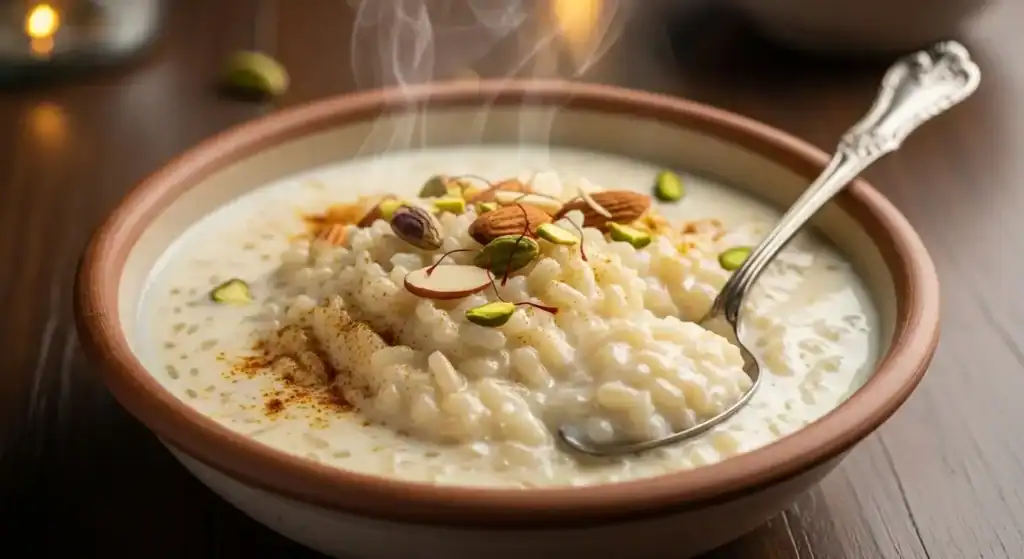
Kheer / Payasam – Creamy, Comforting Indian Rice Pudding
Introduction
Kheer, also known as Payasam in South India, is one of the most cherished desserts in Indian cuisine. This creamy, aromatic rice pudding is made by simmering rice in milk and sweetening it with sugar or jaggery. Often flavored with cardamom, saffron, nuts, and raisins, Kheer is both comforting and celebratory.
Kheer is a dessert that transcends daily meals; it’s a festive delight served during Diwali, Eid, weddings, and religious ceremonies. Its versatility also makes it a favorite across regions—while North Indians call it Kheer, South Indians refer to it as Payasam, often incorporating coconut milk, jaggery, and different grains or lentils.
In this blog post, we’ll explore the history of Kheer / Payasam, the essential ingredients, provide a step-by-step preparation guide, and discuss its health benefits. By the end, you’ll be ready to make this iconic Indian dessert in your own kitchen.
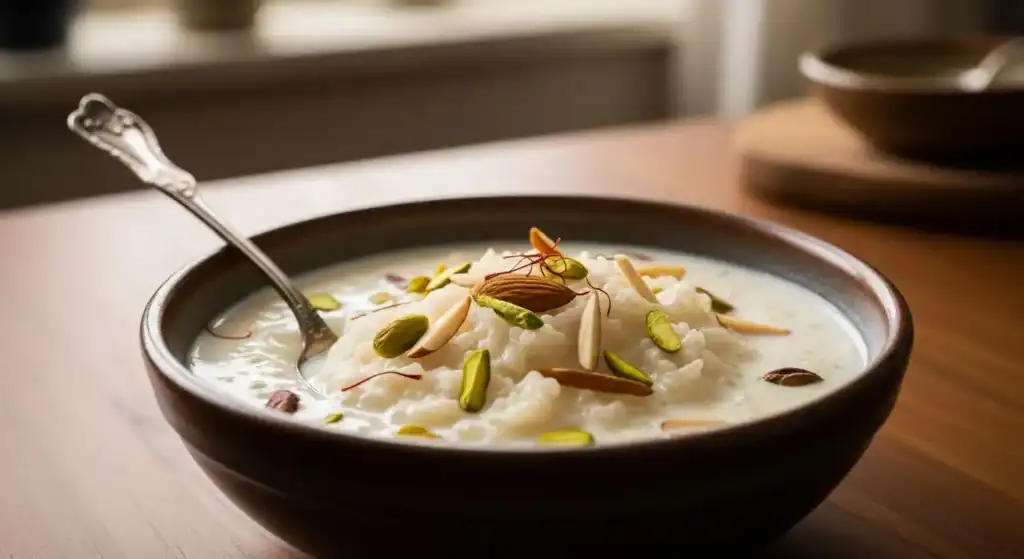
History of Kheer / Payasam
The origins of Kheer can be traced back over 2,000 years. Ancient Indian texts mention rice cooked in milk and sweetened with jaggery as an offering to gods, highlighting its significance in religious and festive contexts.
Kheer evolved regionally over centuries:
- North India: Traditionally made with rice, milk, sugar, and flavored with cardamom and saffron. Nuts like almonds and cashews are commonly added.
- South India (Payasam): Often uses jaggery instead of sugar and incorporates coconut milk. Lentils, vermicelli (semiya), or rice varieties may vary by state—Palada Payasam in Kerala uses rice flakes, while Paruppu Payasam in Tamil Nadu uses moong dal.
Kheer / Payasam has also influenced other South Asian desserts, and today, it’s enjoyed globally as an emblem of Indian culinary heritage, representing celebration, warmth, and sweetness.
Ingredients for Kheer / Payasam
The ingredients vary slightly depending on the region, but the core components remain consistent.
Basic Ingredients:
- 1 cup basmati rice (washed and soaked for 30 minutes)
- 4 cups whole milk (full-fat milk for creaminess)
- ½ cup sugar (or jaggery for a South Indian touch)
- ½ teaspoon cardamom powder
- A pinch of saffron strands (optional, for aroma and color)
- 2 tablespoons ghee (clarified butter)
Optional Ingredients for Garnish:
- 2 tablespoons cashews
- 2 tablespoons almonds, slivered
- 2 tablespoons raisins
- 1 teaspoon pistachios, chopped
Variations by Region:
- Vermicelli Kheer / Seviyan Kheer: Substitute rice with vermicelli.
- Palada Payasam (Kerala): Use rice flakes and sugar syrup instead of whole sugar.
- Paruppu Payasam (Tamil Nadu): Use moong dal cooked in jaggery and coconut milk.
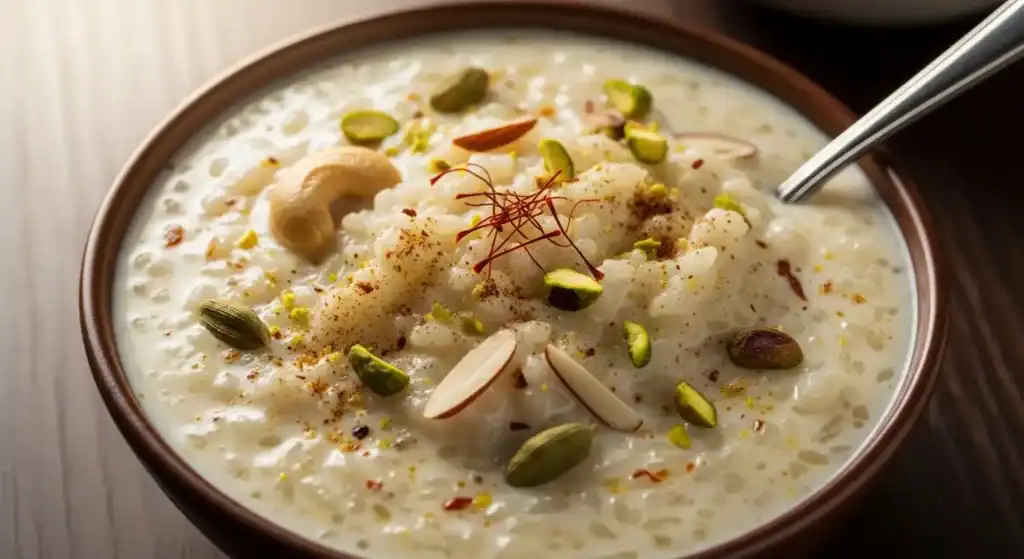
Step-by-Step Preparation
Step 1: Prepare the Rice
- Wash and soak the rice for 30 minutes. This ensures the grains cook evenly and become soft without breaking.
- Drain the soaked rice before cooking.
Step 2: Boil the Milk
- In a heavy-bottomed pan, bring the milk to a gentle boil, stirring occasionally to prevent burning at the bottom.
- Reduce the flame to low and simmer for 10–15 minutes until the milk slightly thickens.
Step 3: Cook the Rice in Milk
- Add the soaked rice to the simmering milk.
- Cook on low flame, stirring occasionally, until the rice is fully cooked and the mixture thickens to a creamy consistency (about 20–25 minutes).
Step 4: Add Sweetener and Flavorings
- Add sugar or jaggery, stirring gently until dissolved.
- Add cardamom powder and saffron strands for aroma and flavor.
- Let the mixture simmer for an additional 5–10 minutes.
Step 5: Prepare the Garnish
- In a small pan, heat ghee and fry the cashews, almonds, and raisins until golden brown.
- Add the fried nuts and raisins to the Kheer / Payasam just before serving for added texture and flavor.
Step 6: Serve
- Kheer / Payasam can be served warm or chilled, depending on preference.
- For festive occasions, garnish with additional saffron strands and pistachios.
Health Benefits of Kheer / Payasam
Although Kheer / Payasam is a dessert, it offers several nutritional benefits when made mindfully:
- Rich in Calcium and Protein
Milk provides calcium, essential for strong bones and teeth, and protein to support overall body health. - Energy Boost
The combination of rice and sugar or jaggery provides quick energy, making it a perfect post-fasting or celebratory treat. - Antioxidant Properties
Cardamom and saffron contain antioxidants, which help reduce oxidative stress in the body. - Healthy Fats from Nuts and Ghee
Nuts contribute healthy fats, fiber, and micronutrients like magnesium and vitamin E, while ghee provides conjugated linoleic acid, beneficial for digestion in moderate amounts. - Versatility for Dietary Needs
- Use jaggery for a low-glycemic option.
- Swap sugar with natural sweeteners for diabetic-friendly versions.
- Substitute whole milk with coconut milk or almond milk for lactose-intolerant individuals.
Tips for the Perfect Kheer / Payasam
- Stir Constantly: Prevent milk from sticking and burning at the bottom of the pan.
- Cook on Low Flame: Slow cooking ensures a creamy texture without splitting the milk.
- Use Heavy-Bottomed Pan: Distributes heat evenly and reduces the risk of burning.
- Soak Rice Well: Helps in faster and uniform cooking of grains.
- Customize Sweetness: Adjust sugar or jaggery according to personal preference.
- Experiment with Grains: Semiya (vermicelli), oats, or millet can also be used for healthier variations.
Regional Variations to Try
- Bengali Kheer: Often called “Payesh,” it includes rice, milk, and sugar, sometimes topped with grated coconut.
- Kerala Palada Payasam: Uses rice flakes and condensed milk or sugar syrup for a richer taste.
- Tamil Nadu Paruppu Payasam: Combines moong dal, jaggery, and coconut milk, giving a nutty and sweet flavor profile.
- Vermicelli Kheer: A quick version using vermicelli instead of rice, perfect for busy weekdays.
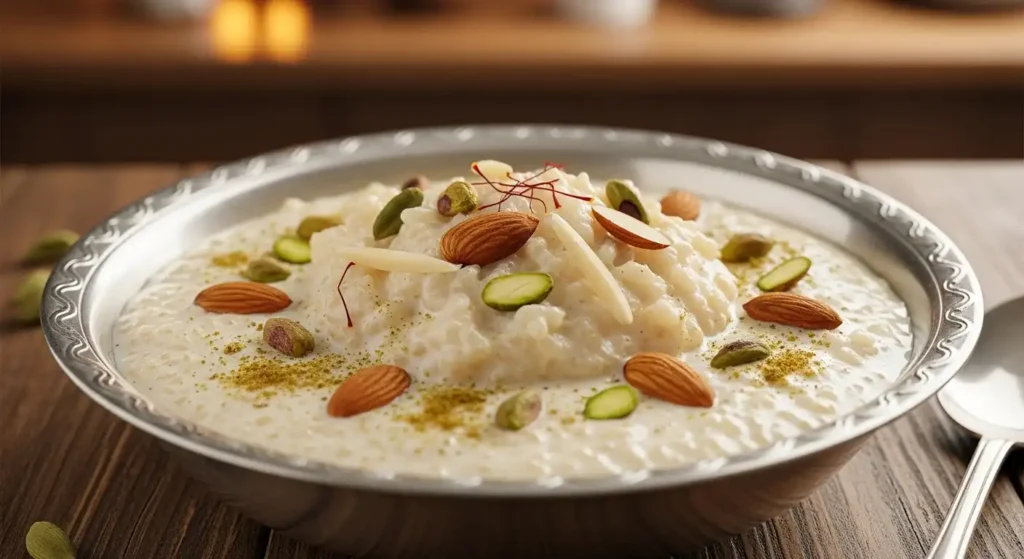
Conclusion
Kheer / Payasam is not just a dessert—it’s a celebration in a bowl. Its creamy texture, aromatic flavors, and versatility make it a favorite across Indian households and festive occasions.
Making Kheer / Payasam at home is both rewarding and educational. Much like sourdough baking, it requires patience, attention to detail, and an appreciation for gradual transformation—from raw ingredients to a creamy, luscious pudding. Once mastered, it becomes a versatile dessert that can be enjoyed warm, chilled, or creatively customized with different grains, nuts, and sweeteners.
So, gather your milk, rice, and spices, and bring the comforting, sweet aroma of homemade Kheer / Payasam to your kitchen. Each spoonful is not just dessert—it’s a piece of Indian tradition, a memory of celebration, and a moment of joy.