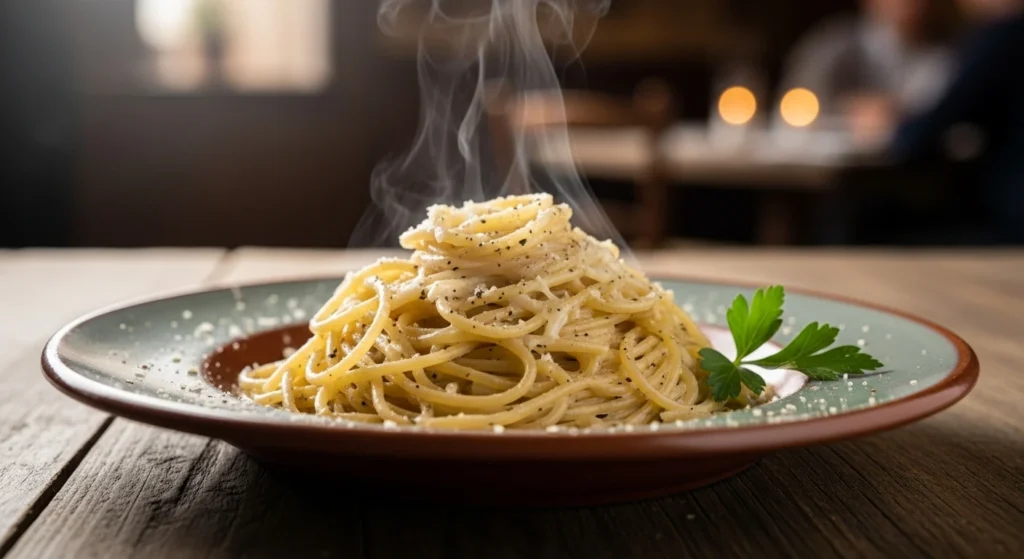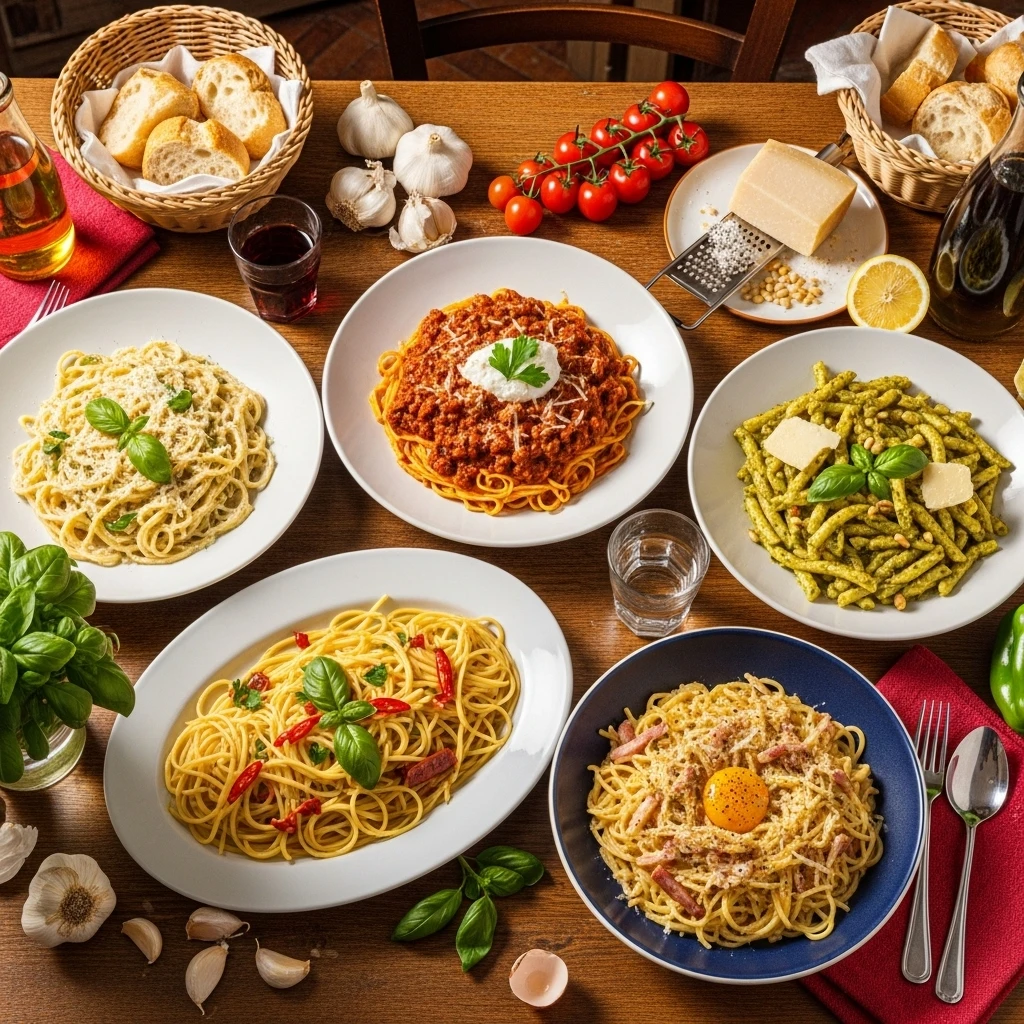
Pasta from Italian: A Timeless Culinary Treasure
Table of Contents
Introduction
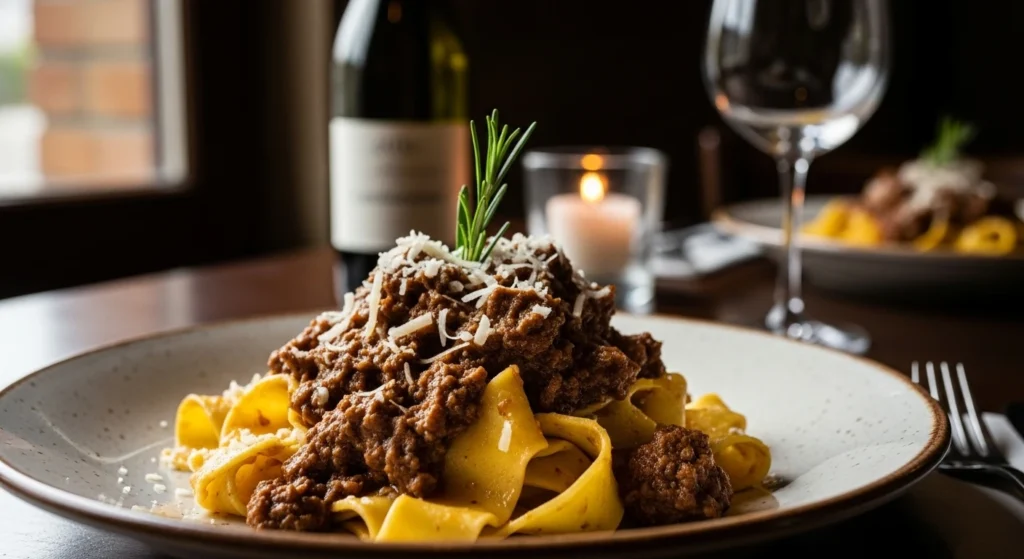
When you think of Italy, chances are one of the first things that comes to mind is pasta. From the comforting aroma of spaghetti simmering in tomato sauce to the elegance of handmade ravioli, pasta is more than just food—it’s a cultural symbol of Italian heritage. Loved worldwide, this humble creation has made its way from small Italian kitchens to dining tables across the globe, becoming a true culinary treasure that brings people together.
Whether served simply with olive oil and garlic or as part of a lavish feast, pasta has an irresistible charm that appeals to both comfort food lovers and gourmet enthusiasts. But pasta is more than just a dish; it carries centuries of tradition, history, and craftsmanship within every strand and shape.
History of Pasta: From Ancient Roots to Global Fame
The story of pasta is as fascinating as its taste. While many believe Marco Polo brought pasta from China in the 13th century, historical records suggest otherwise. In fact, pasta—or early versions of it—was already enjoyed in Italy long before Polo’s travels. Ancient Roman writings mention lagana, a flat dough sheet that closely resembles modern-day lasagna.
By the Middle Ages, pasta had already become a staple in Southern Italy, thanks to its long shelf life and versatility. In Naples during the 17th century, pasta gained massive popularity, with street vendors selling hot macaroni to locals. As Italian immigrants traveled the world, they carried their love for pasta with them, introducing it to new countries and cultures.
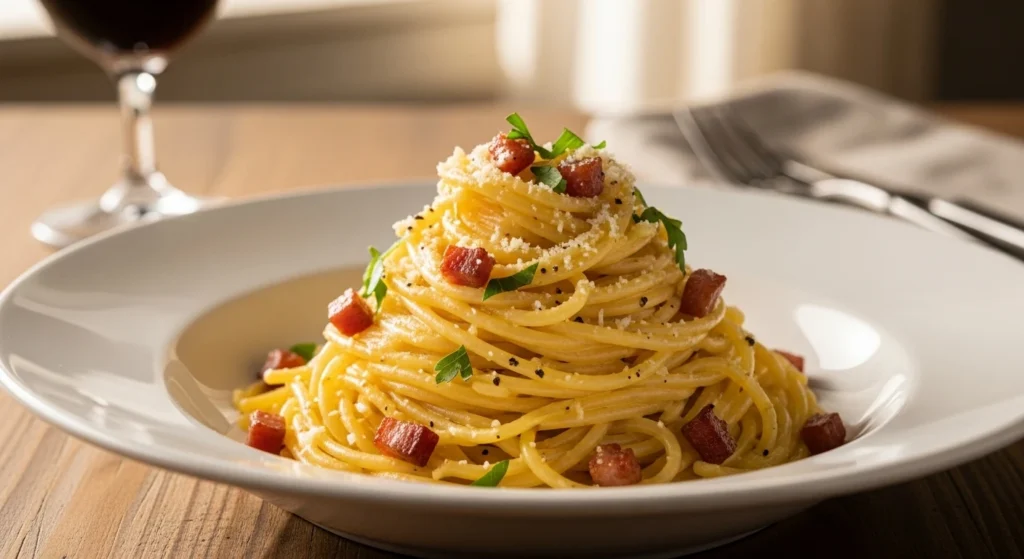
Today, pasta stands as one of the most widely consumed foods globally. From rustic trattorias in Rome to high-end restaurants in New York, pasta has found its place in every corner of the culinary world—proving its timeless appeal and adaptability.
Ingredients: The Heart of Authentic Italian Pasta
At its core, traditional Italian pasta is a marvel of simplicity. Just two main ingredients create the foundation for this global delicacy:
- Flour – High-quality durum wheat semolina flour is the gold standard in Italy. Its high gluten content gives pasta its firm texture and ability to hold shape.
- Eggs or Water – Depending on the region, pasta dough is either enriched with eggs (common in Northern Italy for tagliatelle, fettuccine, and ravioli) or made with just flour and water (typical in Southern Italy pasta for spaghetti, orecchiette, and penne).
Beyond the basics, what makes pasta truly special is freshness and authenticity. Homemade pasta crafted with love tastes completely different from packaged varieties—it’s tender, flavorful, and a true reflection of Italian culinary artistry.
Preparation: How to Make Fresh Pasta at Home
Making pasta from scratch might sound intimidating, but it’s surprisingly approachable with a little patience. Here’s a simple guide to get you started:
- Mix the Dough – On a clean surface, form a mound of flour and create a well in the center. Crack in the eggs (or add water if making eggless pasta). Slowly incorporate the flour until a shaggy dough forms.
- Knead – Knead the dough for 8–10 minutes until smooth and elastic. This step develops the gluten, giving pasta its signature bite.
- Rest the Dough – Wrap the dough in plastic wrap and let it rest for at least 30 minutes. This makes it easier to roll out.
- Roll and Shape – Using a rolling pin or pasta machine, roll the dough into thin sheets. Cut into your desired shape: long strands for spaghetti, wide ribbons for fettuccine, or filled pillows for ravioli.
- Cook – Drop the pasta into boiling salted water. Fresh pasta cooks quickly, usually in 2–3 minutes. Drain, toss with your favorite sauce, and enjoy!
This hands-on process is not just cooking—it’s an experience. Kneading, rolling, and shaping pasta connects you with centuries of Italian culinary tradition.
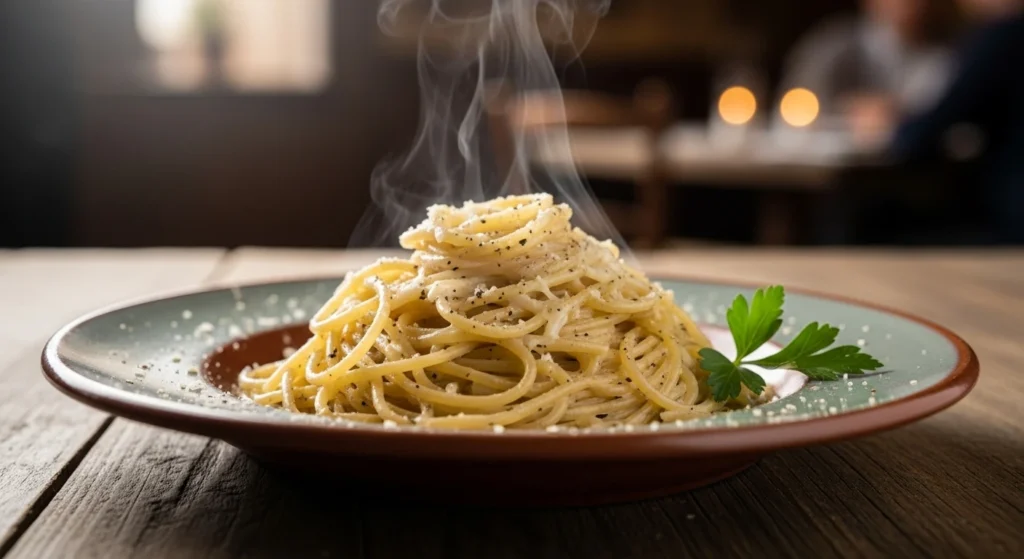
Benefits of Pasta: More Than Just Delicious
Pasta’s popularity isn’t just about taste; it also comes with a variety of benefits:
- Nutritional Balance – Pasta is a great source of carbohydrates, providing energy for daily activities. Paired with vegetables, proteins, and healthy fats, it becomes part of a well-rounded meal.
- Versatility – From light summer dishes with fresh tomatoes and basil to hearty winter meals with rich sauces, pasta adapts to every season and craving.
- Cultural Importance – In Italy, pasta is not just food—it’s a way of life. Every region has its unique pasta shapes and sauces, reflecting centuries of local traditions.
- Global Appeal – Its universal popularity makes pasta a symbol of connection, bringing people together across cultures and continents.
Conclusion
Pasta is more than a dish—it’s a story of tradition, creativity, and community. From its humble beginnings in Italy to becoming a beloved global food icon, pasta continues to inspire both chefs and home cooks. Whether you enjoy a simple plate of spaghetti aglio e olio or indulge in a rich lasagna, every bite is a celebration of Italy’s culinary artistry.
So the next time you twirl your fork into a plate of pasta, remember—you’re not just enjoying a meal, you’re savoring a piece of Italian history.