
Scampi: History, Recipes, and Health Benefits of This Beloved Seafood Dish
Table of Contents
Introduction: Why Scampi Steals the Spotlight
There are few dishes that embody both elegance and comfort quite like Scampi. Picture a steaming plate of tender shrimp glistening in garlic butter, paired with twirls of pasta or accompanied by a hunk of crusty bread to soak up every last drop of sauce. It’s rich yet refreshing, indulgent yet simple—a dish that has won hearts in trattorias in Italy, seafood restaurants in the United States, and home kitchens worldwide.
But Scampi is more than just a tasty plate of seafood. It carries with it a fascinating cultural history, an evolution of flavors shaped by migration, adaptation, and creativity. Whether you know it as Italian langoustines grilled with herbs or the American classic shrimp scampi pasta, this dish has a story worth savoring.
The Origins of Scampi: From Italy to the World
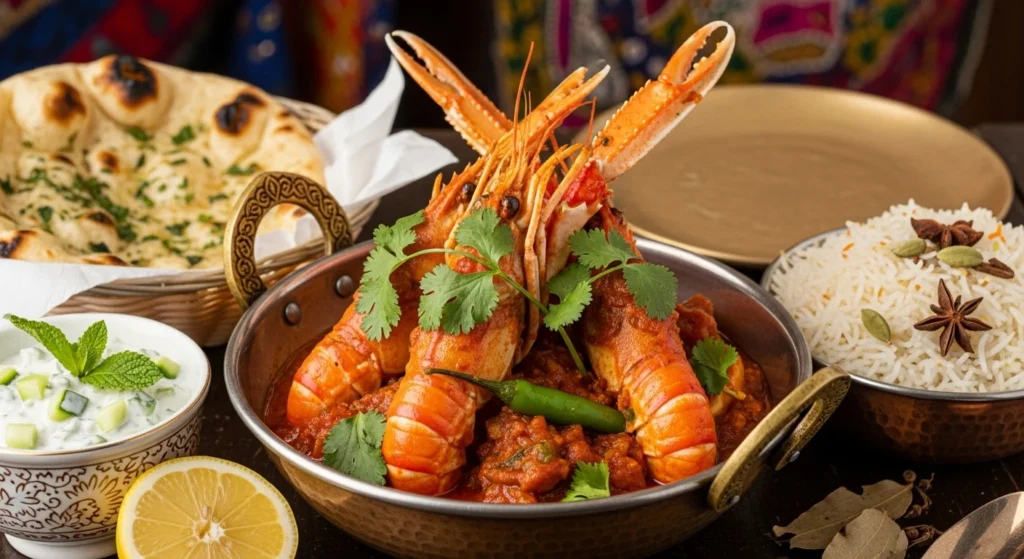
The word “Scampi” comes from the Italian plural of scampo, which refers to the Norway lobster (Nephrops norvegicus)—a crustacean that looks like a small lobster or large prawn. Found in the cold waters of the North Atlantic and Mediterranean, these langoustines were once abundant in Italian coastal cuisine.
Traditional Italian Scampi
In Italy, Scampi were often prepared simply but beautifully. Fishermen would grill or sauté them with olive oil, garlic, and fresh herbs, letting the delicate sweetness of the shellfish shine through. In Venetian cuisine, for instance, Scampi might be served with polenta, while along the Amalfi coast they were paired with lemon and white wine.
The American Transformation: Shrimp Scampi
When Italian immigrants brought this tradition to the United States, they quickly discovered a problem: langoustines were not easily available. Instead, they turned to the next best thing—shrimp. The result was what we now know as shrimp scampi: shrimp cooked in butter, garlic, white wine, and lemon, often served over pasta.
Over time, shrimp scampi evolved into a restaurant favorite, a go-to home recipe, and even a comfort food dish across America. Today, when you hear “Scampi” outside of Italy, chances are it refers to this shrimp-based version.
Ingredients: The Heart of a Scampi Recipe
What makes Scampi irresistible is not just the seafood itself, but the balance of simple, high-quality ingredients.
Essential Ingredients for Classic Scampi
- Seafood: Traditionally langoustines; modern recipes use shrimp (large, raw, deveined).
- Garlic: The soul of the dish—fresh, minced garlic for bold aroma and flavor.
- Butter and Olive Oil: A luscious base that creates the iconic Scampi sauce.
- White Wine: Adds depth and a touch of acidity to balance the richness.
- Fresh Lemon Juice: For brightness and freshness.
- Parsley: Classic finishing herb for color and light flavor.
- Salt and Black Pepper: To season and balance flavors.
- Optional Kick: Red chili flakes for heat, Parmesan cheese for richness.
Modern Twists and Variations
One of the best things about Scampi is its adaptability. Cooks across the globe have reimagined it in countless ways:
- Shrimp Scampi Pasta: The most popular American version, tossed with linguine or spaghetti.
- Scampi with Rice or Risotto: A creamy, comforting Italian-inspired dish.
- Vegetarian Scampi: Mushrooms, zucchini, or even jackfruit sautéed in the classic garlic-butter sauce.
- Scampi Skewers: Grilled shrimp with garlic butter glaze for summer barbecues.
- Scampi Pizza: A gourmet twist—garlic shrimp over a thin crust with mozzarella and herbs.
This versatility is one reason Scampi continues to thrive—it can be dressed up for fine dining or kept simple for a weeknight meal.
How to Make the Perfect Shrimp Scampi Recipe
Ready to bring this classic into your kitchen? Here’s a step-by-step guide for making shrimp scampi that’s flavorful, foolproof, and beginner-friendly.
Ingredients (Serves 4)
- 1 pound large shrimp (peeled and deveined)
- 4 tablespoons unsalted butter
- 2 tablespoons extra virgin olive oil
- 4 cloves garlic, finely minced
- ½ cup dry white wine (such as Pinot Grigio)
- Juice of 1 lemon
- ¼ cup fresh parsley, chopped
- Salt and freshly ground black pepper, to taste
- ½ teaspoon red pepper flakes (optional)
- 12 ounces linguine (optional, for pasta version)
Instructions
- Prepare the Shrimp – Pat shrimp dry, season lightly with salt and pepper.
- Cook the Pasta (if using) – Boil linguine until al dente; reserve ½ cup pasta water.
- Sauté Garlic – Heat butter and olive oil in a large skillet. Add garlic and cook until fragrant, about 1 minute.
- Cook the Shrimp – Add shrimp in a single layer, cooking 2–3 minutes per side until pink and opaque. Remove shrimp and set aside.
- Deglaze with Wine – Pour white wine into the pan, scraping up any flavorful browned bits. Let it reduce slightly.
- Finish the Sauce – Add lemon juice, parsley, and remaining butter. Season with red pepper flakes if desired.
- Combine – Return shrimp to the pan, toss in pasta (if using), and adjust with reserved pasta water for creaminess.
- Serve – Plate immediately with extra parsley and lemon wedges.
✨ Pro Tip: For extra depth, add a splash of chicken broth with the wine, or sprinkle freshly grated Parmesan before serving.
Health Benefits of Scampi
Scampi isn’t just delicious—it’s also nutrient-rich and surprisingly healthy when enjoyed in moderation.
Nutritional Advantages
- High in Lean Protein – Shrimp and langoustines are excellent sources of protein, keeping you full and energized.
- Low in Calories – A typical serving of shrimp scampi has fewer calories than many other creamy pasta dishes.
- Omega-3 Fatty Acids – Support cardiovascular health and brain function.
- Rich in Vitamins and Minerals – Including Vitamin B12, selenium, iodine, and zinc.
- Good for Weight Management – When paired with whole-grain pasta or vegetables, scampi becomes a satisfying yet balanced meal.
A Note of Moderation
While Scampi can be healthy, it often includes generous amounts of butter. To lighten it up:
- Use half butter, half olive oil.
- Serve with zoodles (zucchini noodles) or whole-wheat pasta.
- Add spinach, kale, or cherry tomatoes for extra nutrients.
Scampi in Global Cuisine
What’s fascinating is how Scampi has adapted across cultures:
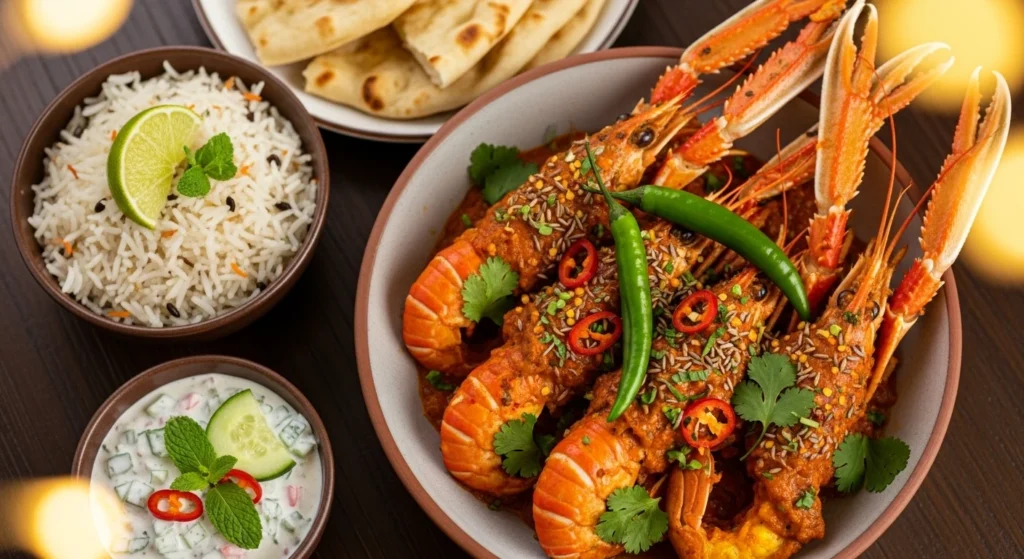
- Italy: Langoustines grilled or sautéed simply, often without pasta.
- United States: Shrimp scampi pasta, a rich, garlic-butter comfort dish.
- United Kingdom: “Scampi” often refers to breaded and fried langoustine tails, served with chips.
- France: Langoustines prepared in bisques, sauces, or as luxurious appetizers.
This global reach shows how one humble crustacean inspired countless culinary traditions.
Why Food Lovers Adore Scampi
At its core, Scampi is beloved because it delivers:
- Simplicity: A handful of ingredients transforms into something extraordinary.
- Versatility: Works as a quick weeknight dinner or a romantic restaurant meal.
- Flavor Balance: The harmony of garlic, butter, wine, and lemon is nearly unbeatable.
- Accessibility: Shrimp is widely available and budget-friendly compared to lobster.
Conclusion: Scampi’s Timeless Allure
Scampi is more than just seafood—it’s a journey through culinary history. From Italian fishermen grilling langoustines by the sea to modern shrimp scampi pasta dishes in American homes, it represents adaptation, flavor, and tradition all on one plate.
Whether you love the classic garlic-butter shrimp scampi or want to experiment with creative variations, this dish is proof that sometimes the simplest recipes are the most memorable.