
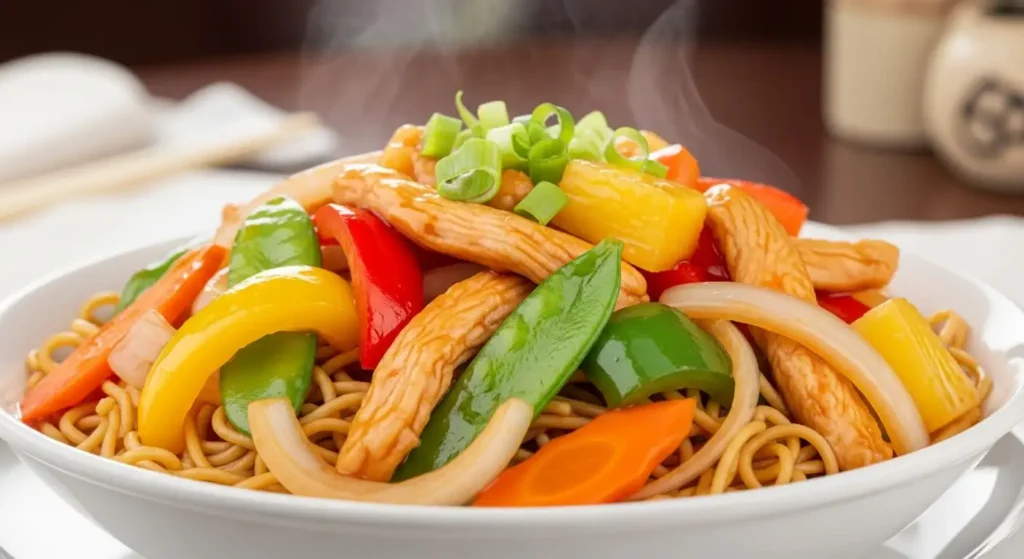
Sweet and Sour Chow Mein (炒面): A Deliciously Easy Guide
If you’re a fan of Chinese cuisine, chances are you’ve already fallen in love with the irresistible flavors of Chow Mein. But have you tried the delightful twist of Sweet and Sour Chow Mein (炒面)? This dish combines the savory goodness of stir-fried noodles with a perfectly balanced sweet and tangy sauce, making it a favorite for both casual weeknight dinners and special occasions. In this guide, we’ll explore its history, ingredients, step-by-step preparation, and even the health benefits that come with this flavorful dish.
Table of Contents
Introduction: Why Sweet and Sour Chow Mein Is a Must-Try
Chow Mein is one of the most iconic Chinese dishes worldwide, known for its versatility, ease of preparation, and mouthwatering flavor. The sweet and sour version takes this beloved noodle dish to another level by adding a sauce that’s both tangy and sweet, creating a delightful harmony that awakens the taste buds.
Whether you’re a beginner looking to try your hand at Chinese cooking or an experienced home chef seeking a new twist, Sweet and Sour Chow Mein is simple, fun, and incredibly rewarding. Plus, it’s a dish that appeals to both kids and adults, making it perfect for family meals or dinner parties.
History of Sweet and Sour Chow Mein
To truly appreciate Sweet and Sour Chow Mein, it’s helpful to understand its roots. Chow Mein, literally translating to “fried noodles,” originated in Northern China. Traditionally, it consisted of stir-fried wheat noodles mixed with vegetables and protein, seasoned with soy sauce and other aromatics.
The sweet and sour variant is believed to have evolved in Southern China, particularly in Cantonese cuisine. Cantonese chefs were known for incorporating tangy sauces using vinegar and sugar, creating a delicate balance of flavors that complemented the stir-fried noodles perfectly. Over time, Sweet and Sour Chow Mein made its way into Western Chinese cuisine, gaining popularity in restaurants across the globe, from New York to London.
Today, this dish represents the perfect blend of Chinese culinary tradition and modern flavor innovation, offering a dish that’s as comforting as it is exciting.
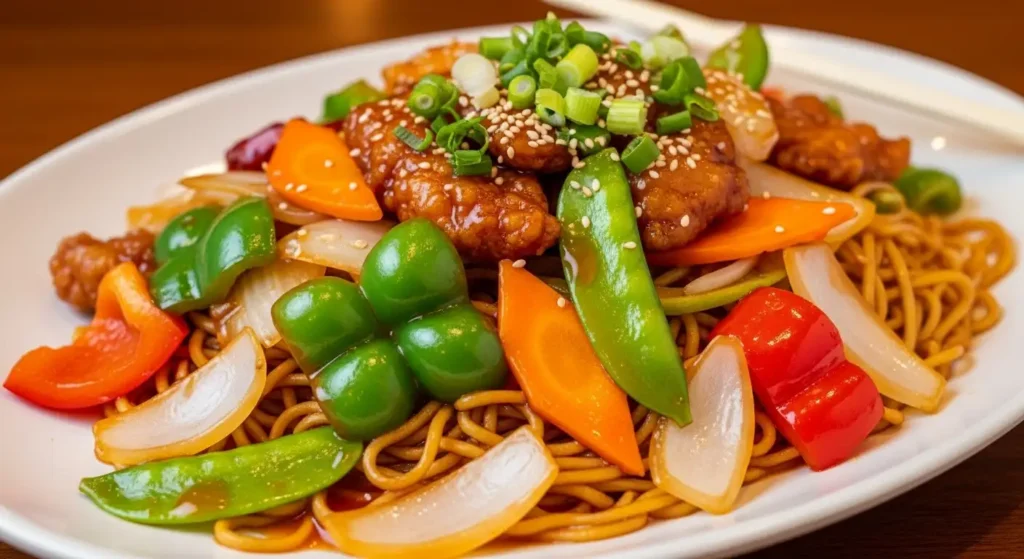
Ingredients You’ll Need for Sweet and Sour Chow Mein
One of the reasons Sweet and Sour Chow Mein is so approachable is that it uses ingredients commonly found in most kitchens. Here’s what you’ll need:
For the Noodles and Stir-Fry:
- 200g egg noodles (or any stir-fry noodles)
- 1 cup cabbage, thinly sliced
- 1 medium carrot, julienned
- 1 bell pepper, thinly sliced
- 1 small onion, sliced
- 2 cloves garlic, minced
- 100g chicken, beef, pork, or tofu, cut into thin strips (optional)
- 2 tablespoons vegetable oil
For the Sweet and Sour Sauce:
- 3 tablespoons ketchup
- 2 tablespoons rice vinegar
- 2 tablespoons soy sauce
- 1 tablespoon sugar
- 1 teaspoon cornstarch (mixed with 2 tablespoons water to make a slurry)
- ½ cup water or chicken broth
Optional Garnishes:
- Chopped spring onions
- Sesame seeds
Pro Tip: You can customize your Chow Mein by adding mushrooms, baby corn, or snow peas. This makes it not only colorful but packed with nutrients too.
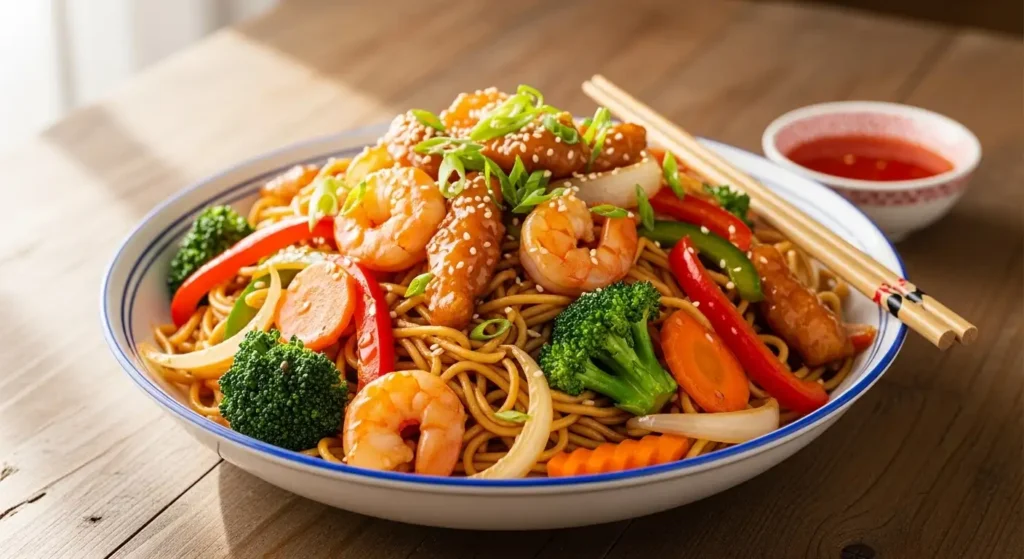
Step-by-Step Preparation
Cooking Sweet and Sour Chow Mein at home might seem intimidating at first, but it’s actually quite simple. Follow these step-by-step instructions for a restaurant-quality dish in your own kitchen.
Step 1: Prepare the Noodles
- Boil the noodles according to the package instructions.
- Drain and rinse under cold water to prevent them from sticking together.
- Toss lightly with a teaspoon of oil and set aside.
Step 2: Make the Sweet and Sour Sauce
- In a small bowl, mix ketchup, rice vinegar, soy sauce, sugar, and water or broth.
- Add cornstarch slurry and stir until smooth. Set aside.
Step 3: Stir-Fry the Protein and Vegetables
- Heat vegetable oil in a large skillet or wok over medium-high heat.
- Add your protein (chicken, beef, pork, or tofu) and cook until browned and cooked through. Remove from the pan and set aside.
- In the same pan, add garlic and onion. Sauté until fragrant, about 1-2 minutes.
- Add carrots, bell peppers, and cabbage. Stir-fry for 3-4 minutes until vegetables are tender but still crisp.
Step 4: Combine Noodles, Sauce, and Stir-Fry
- Add the cooked noodles to the pan with vegetables.
- Pour the sweet and sour sauce over the noodles.
- Toss everything together until noodles and vegetables are evenly coated.
- Return the cooked protein to the pan and toss gently.
Step 5: Garnish and Serve
- Sprinkle chopped spring onions and sesame seeds over the top.
- Serve immediately while hot and enjoy!
Pro Tip: For extra flavor, you can lightly crisp the noodles in a little oil before adding the sauce. This gives your Chow Mein a satisfying texture.
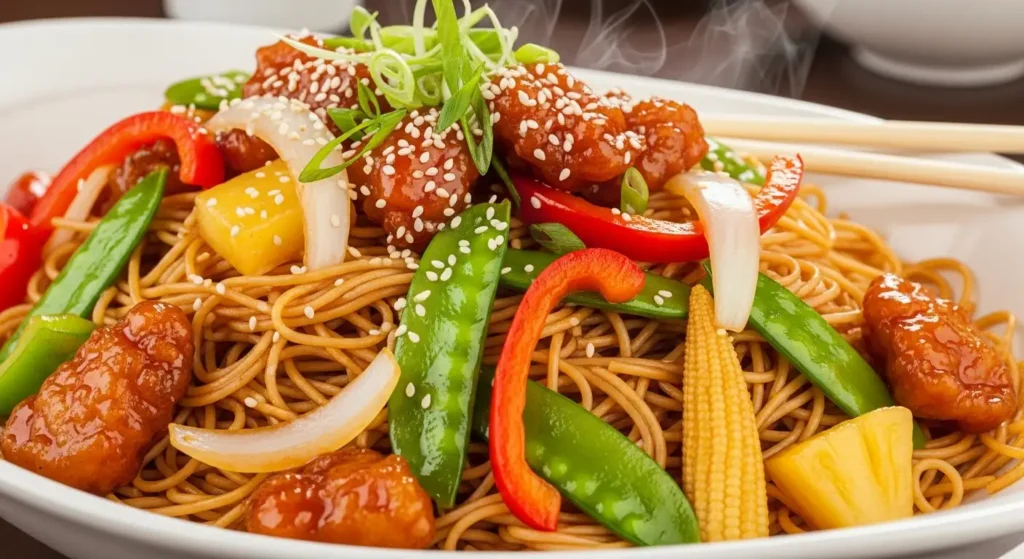
Health Benefits of Sweet and Sour Chow Mein
Sweet and Sour Chow Mein isn’t just delicious; it also offers some surprising health benefits when prepared thoughtfully.
1. Nutrient-Rich Vegetables
The dish typically includes cabbage, carrots, and bell peppers, which are rich in vitamins A, C, and K, as well as antioxidants. These nutrients support immune function and overall health.
2. Lean Protein
Adding chicken, tofu, or lean beef provides a good source of protein, essential for muscle repair, satiety, and energy.
3. Balanced Carbohydrates
Noodles provide complex carbohydrates, giving you sustained energy throughout the day. Choosing whole-grain noodles can further boost fiber content.
4. Controlled Sugar and Fat
By making the sweet and sour sauce at home, you can control the amount of sugar and oil, making the dish healthier than many takeout alternatives.
5. Customizable for Dietary Needs
This dish can easily be adapted for vegetarian, vegan, or gluten-free diets, making it a versatile option for a healthy meal.
Tips for Making the Perfect Sweet and Sour Chow Mein
- Don’t overcook your noodles: They should be tender but firm to the bite.
- Use high heat for stir-frying: This helps vegetables retain their crunch and flavor.
- Adjust the sauce to taste: More vinegar for tanginess, more sugar for sweetness.
- Add garnishes: Fresh herbs or toasted sesame seeds elevate both flavor and presentation.
Conclusion: Try Sweet and Sour Chow Mein Today
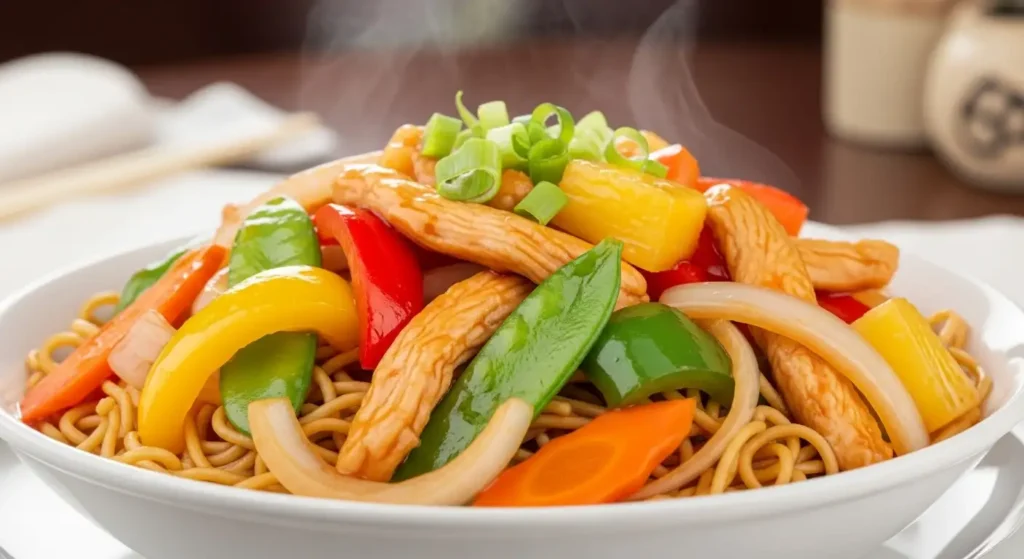
Sweet and Sour Chow Mein is more than just a meal—it’s an experience. With its vibrant colors, delightful textures, and balanced flavors, it’s a dish that’s sure to impress family and friends alike. Whether you’re a beginner in the kitchen or a seasoned cook, this recipe is approachable, customizable, and packed with goodness.
So why wait? Grab your wok, gather your ingredients, and dive into the delicious world of Sweet and Sour Chow Mein (炒面). Once you try it, you’ll discover why this dish has earned a permanent spot in the hearts (and stomachs) of food lovers worldwide.
Pro Tip: Pair your Chow Mein with a side of steamed dumplings or a light soup for a complete and satisfying meal.