
Tamales – A Taste of Tradition Wrapped in Corn Husks
Table of Contents
Introduction
Picture this: the comforting aroma of steaming corn masa, spiced meats, and roasted chilies filling the air. Families gather around the kitchen table, laughing and chatting while carefully folding corn husks. The first bite is soft, savory, and soul-warming. That’s the magic of tamales—a dish that’s more than food, it’s a celebration of culture, family, and history.
Tamales are one of the most beloved traditional Mexican foods, but their story extends far beyond Mexico. This humble yet flavorful dish has been enjoyed for thousands of years across Latin America, passed down through generations as a symbol of community and heritage. In this article, we’ll explore the history of tamales, the key ingredients that make them unique, the preparation process that brings families together, and the many benefits of eating tamales—all while keeping things approachable and humanized.
History of Tamales
The history of tamales dates back thousands of years, long before Spanish colonization. Ancient civilizations such as the Aztecs, Mayans, and Incas relied on tamales as portable meals that could fuel warriors, hunters, and travelers. Wrapped in natural husks or banana leaves, tamales were both practical and symbolic.
The word “tamalli” comes from the Nahuatl language, meaning “wrapped food.” This early version of tamales was made with corn masa, sometimes filled with beans, squash, chilies, or game meats. Corn itself held deep spiritual meaning in Mesoamerican cultures, often associated with life and sustenance.
As tamales spread throughout Latin America, each region added its own twist. In Mexico, tamales are usually wrapped in corn husks and filled with pork, chicken, or cheese. In Central America, banana leaves are used instead of husks, giving the tamales a subtle earthy flavor. Today, tamales remain a centerpiece of holidays, festivals, and family gatherings, symbolizing unity and tradition.
Ingredients of Tamales
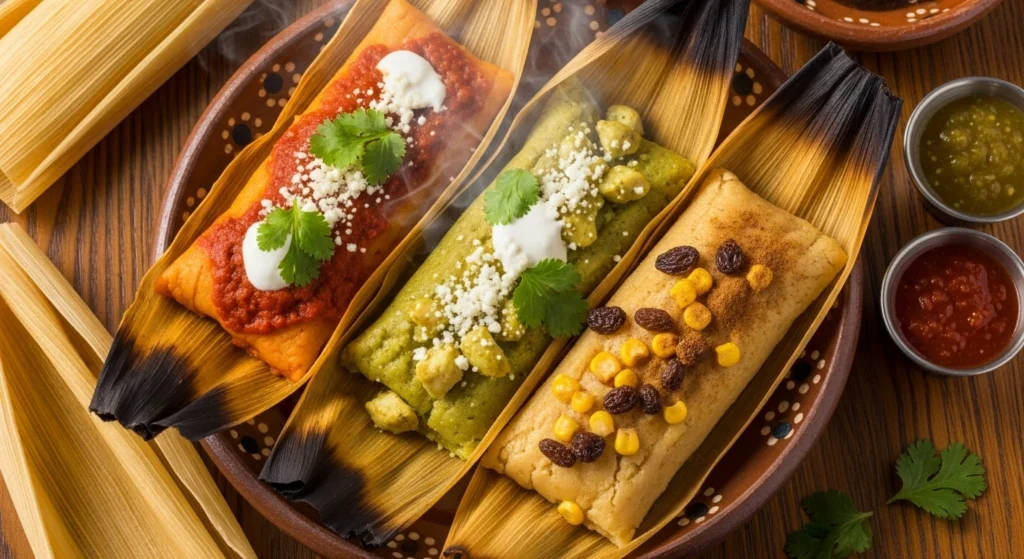
What makes tamales so special is their flexibility. At their core, tamales are made of masa (corn dough), a filling, and a wrapping (usually corn husks or banana leaves). Here’s a closer look at the traditional ingredients of tamales:
- Masa (Corn Dough): The heart of every tamale, made with masa harina (corn flour), water or broth, and lard or vegetable shortening for texture.
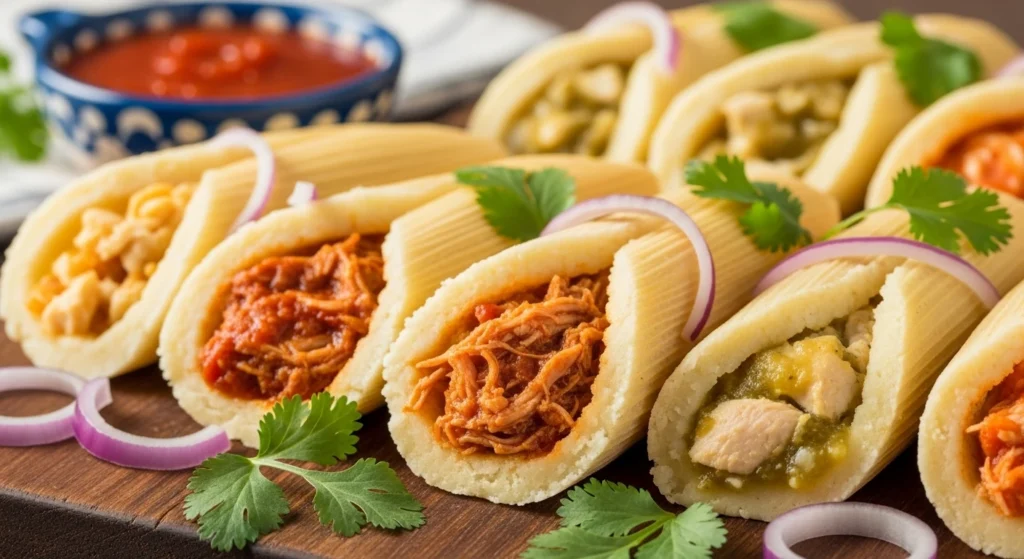
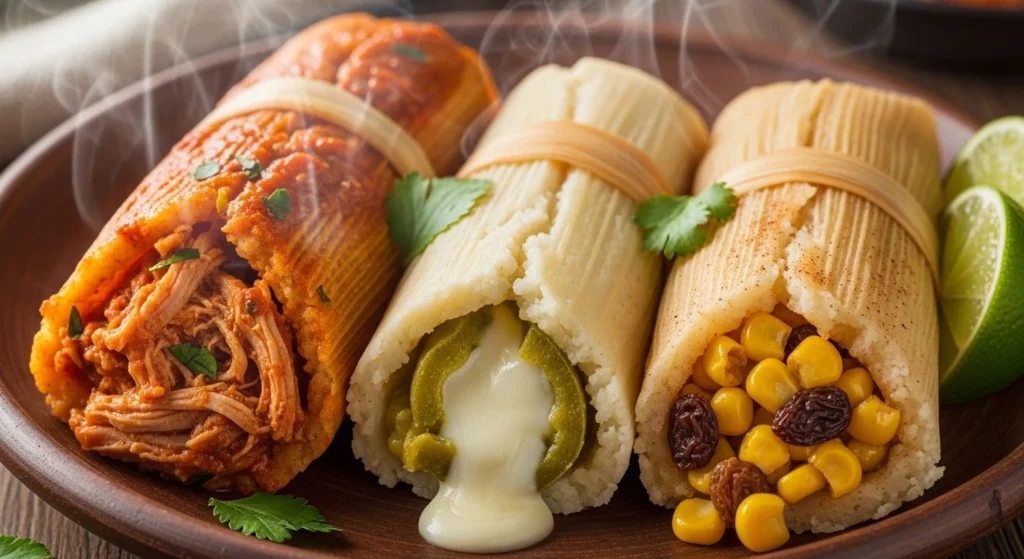
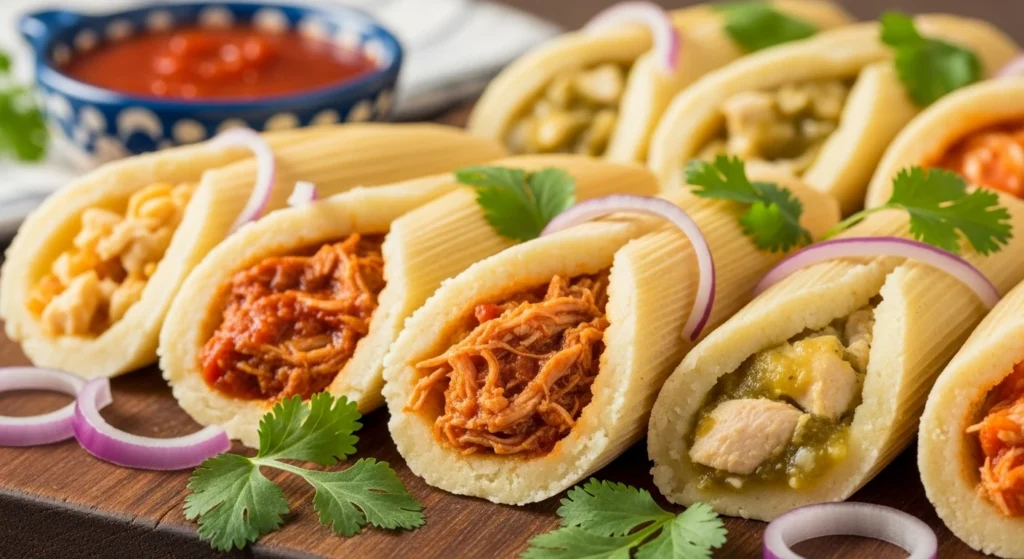
- Fillings: Popular fillings include shredded pork, chicken, beef, beans, cheese, roasted chilies, or vegetables. Sweet variations might include fruit, raisins, or cinnamon.
- Sauces & Seasonings: Many tamales feature rich sauces like red chili sauce, mole, or salsa verde, which infuse the masa with bold flavors.
- Wrapping: Corn husks are most common in Mexico, while banana leaves are used in countries like Guatemala, El Salvador, and parts of South America.
Variations Across Latin America
- Mexican Tamales: Often savory, with fillings like pork in red sauce or chicken in green salsa.
- Guatemalan Tamales: Wrapped in banana leaves, filled with meats and accented with olives or raisins.
- Sweet Tamales: Found throughout Latin America, made with sweetened masa and fruit fillings.
This versatility makes tamales not only delicious but also customizable to different tastes and dietary needs.
Preparation Process – A Story of Patience and Community
Making tamales is not just about cooking—it’s about connection. Traditionally, preparing tamales is a family affair. The process can be time-consuming, but it’s filled with laughter, storytelling, and bonding. Here’s a step-by-step journey into how tamales come to life:
- Preparing the Corn Husks: Dried husks are soaked in warm water until pliable, ready to cradle the masa and fillings.
- Mixing the Masa: Corn flour is blended with broth, lard (or a vegetarian substitute), salt, and sometimes baking powder to create a fluffy, flavorful dough.
- Cooking the Filling: Meats are simmered with spices, chilies, or sauces until tender and rich in flavor. Vegetarians might sauté beans, peppers, or cheese for an equally satisfying option.
- Assembling the Tamales: A dollop of masa is spread onto the husk, topped with filling, and then carefully folded into a neat package. Each tamal feels like a little gift waiting to be unwrapped.
- Steaming: Tamales are stacked upright in a steamer pot and cooked until the masa firms up. The anticipation builds as the kitchen fills with irresistible aromas.
- Serving: Once ready, tamales are served hot, often alongside salsa, rice, or beans. Opening one feels like unwrapping a piece of tradition.
The process may be lengthy, but it’s precisely this effort that makes tamales so meaningful. It’s about slowing down, working together, and savoring not only the food but also the memories created along the way.
Benefits of Eating Tamales
Tamales aren’t just delicious—they’re filled with benefits that go beyond taste.
1. Cultural Significance
Eating tamales connects you to centuries of tradition. They’re a staple at Christmas, Día de los Muertos, and family celebrations across Latin America. Sharing tamales is a way of keeping culture alive and passing it down through generations.
2. Nutritional Value
- Masa provides carbohydrates for energy.
- Fillings like meats, beans, and vegetables supply protein and nutrients.
- Banana leaves or corn husks are eco-friendly and add natural flavors without waste.
When balanced with fresh ingredients, tamales can be a hearty and nourishing meal.
3. Social Connection
Perhaps the greatest benefit of tamales is the togetherness they inspire. Whether making them in a family kitchen or enjoying them at a festival, tamales create a sense of community. They’re food that tells a story and brings people closer.
Conclusion – A Tradition Worth Savoring
Tamales are more than just a dish—they’re a living tradition wrapped in history, flavor, and love. From their ancient origins to their role in modern celebrations, tamales continue to bring people together across generations and borders.
If you’ve never tried making tamales, consider gathering your family or friends for a cooking day. Yes, it takes time, but the reward is greater than just food—it’s laughter, stories, and memories wrapped inside every corn husk. And if cooking isn’t your thing, don’t worry—seek out a local Mexican restaurant or street vendor and treat yourself to the comforting taste of traditional tamales.
So next time you think of traditional Mexican food, remember tamales: warm, inviting, and timeless. They’re not just something to eat—they’re something to experience.