
Kolkata Biryani: A Subtle and Flavorsome Legacy of Awadhi Cuisine
Table of Contents
Introduction
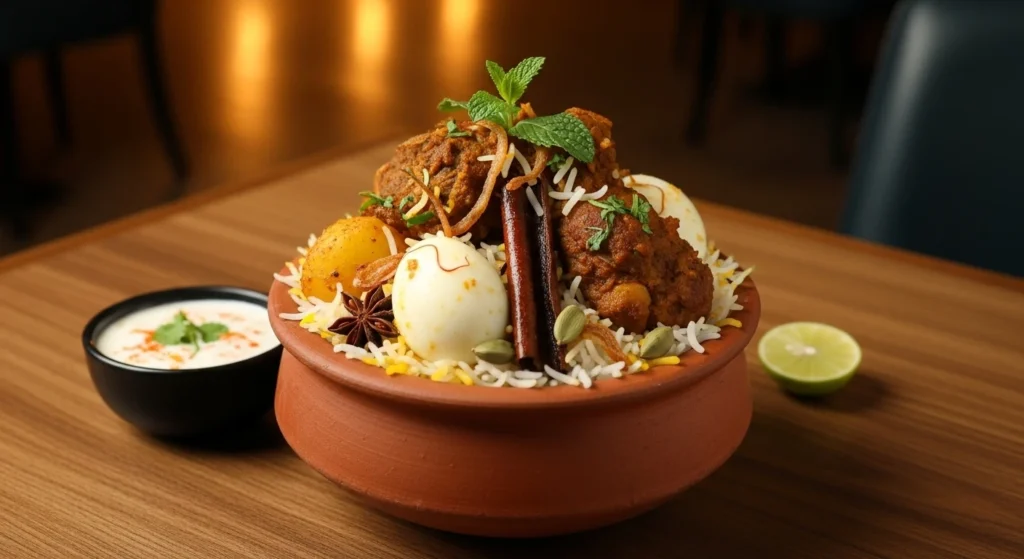
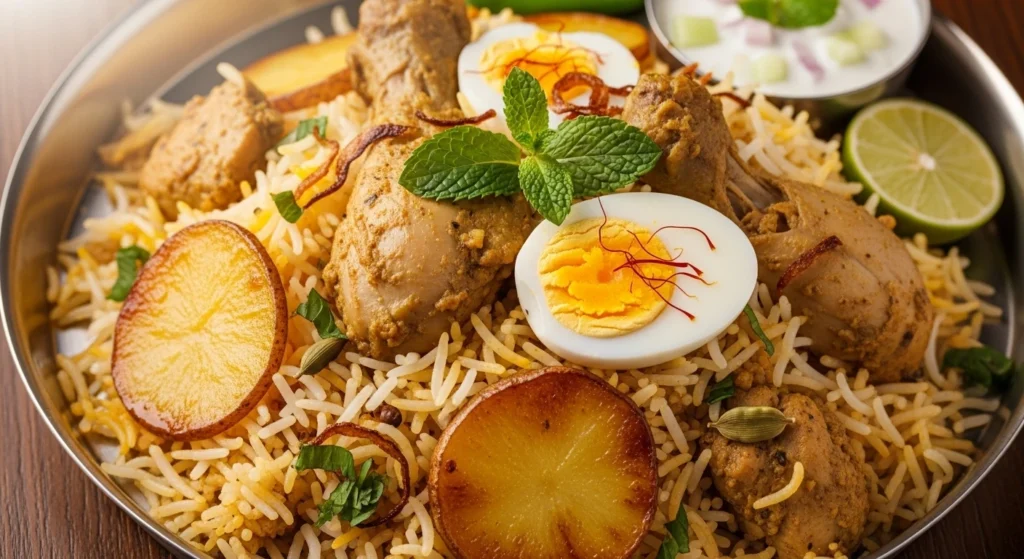
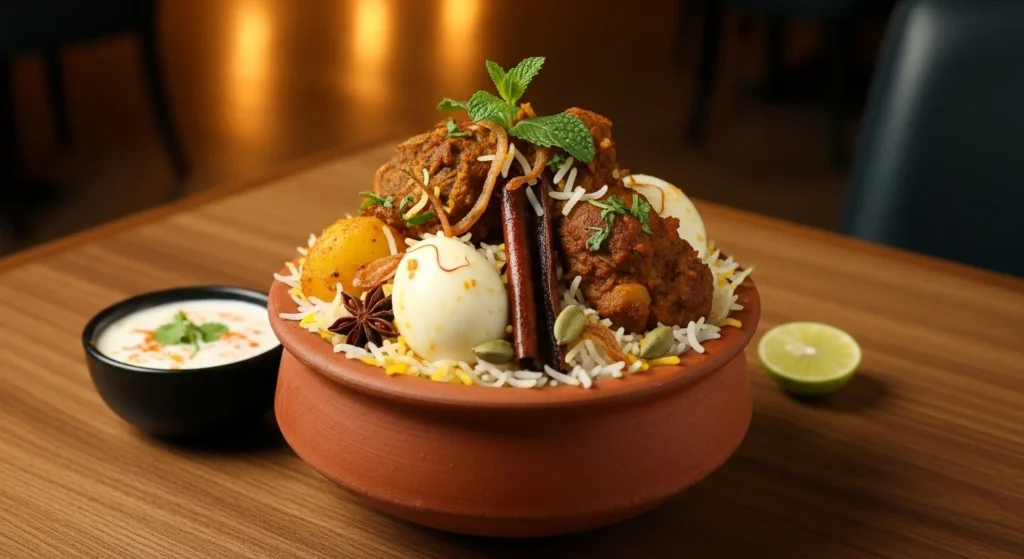
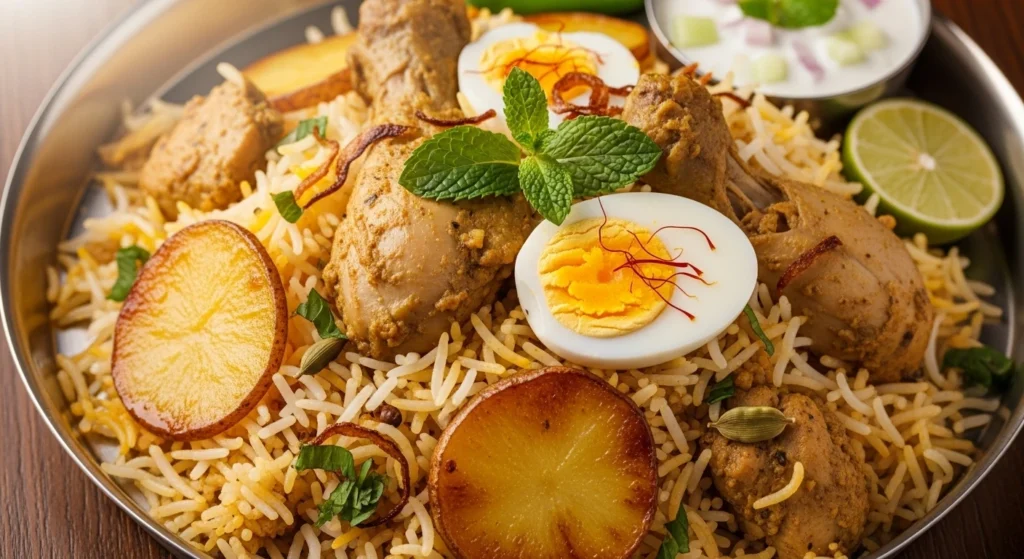
Few dishes in India carry the cultural depth and culinary sophistication of Kolkata Biryani. Unlike the spicier Hyderabadi Biryani or the fragrant Awadhi Biryani of Lucknow, Kolkata Biryani has a unique elegance that sets it apart. Light, fragrant, and beautifully balanced, it is known for its subtle use of spices, long-grain rice, tender meat, and—most famously—the inclusion of potatoes.
For many, the humble potato is what defines Kolkata Biryani. But behind this beloved addition lies a fascinating story of culture, adaptation, and royal legacy. In this guide, we’ll explore the history, ingredients, preparation method, and health benefits of this remarkable dish.
History of Kolkata Biryani
The roots of Kolkata Biryani trace back to Lucknow, during the reign of Nawab Wajid Ali Shah, the last Nawab of Awadh. In 1856, when the British exiled him to Calcutta (now Kolkata), he brought along his royal chefs and the refined traditions of Awadhi cuisine.
However, in colonial Calcutta, the Nawab’s court faced financial constraints. Meat was expensive, and to extend the dish economically, chefs began adding boiled potatoes to the biryani. To everyone’s surprise, the potato absorbed the rich flavors of the spices and became a beloved component.
Over time, Kolkata Biryani evolved its own character:
- Less oily and less spicy than Hyderabadi biryani.
- Subtle, fragrant use of spices.
- Generous inclusion of potatoes and sometimes boiled eggs.
Today, it’s more than just a dish—it’s a cultural icon of Bengal, symbolizing the blend of tradition, adaptation, and creativity.
Ingredients for Kolkata Biryani
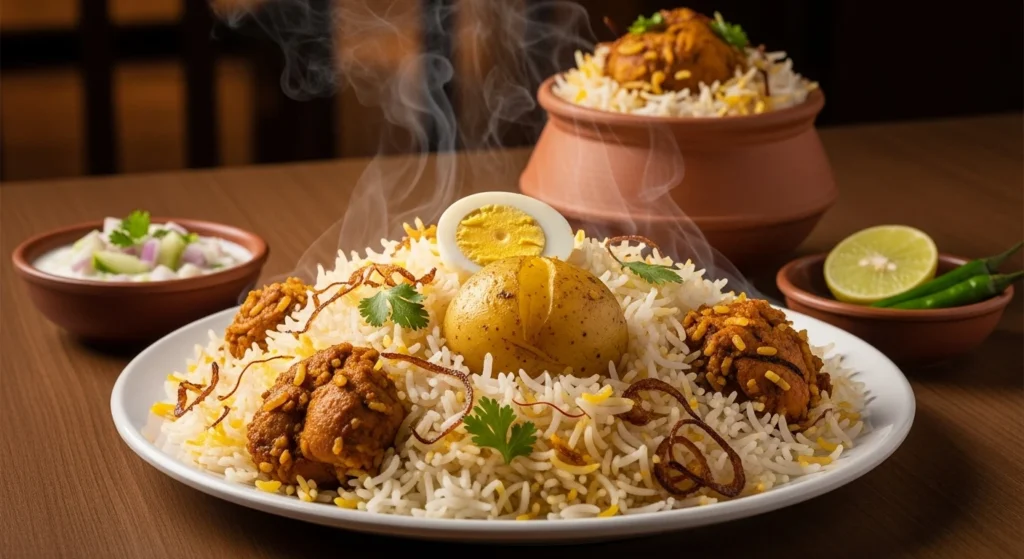
Kolkata Biryani is known for its elegance—light, fragrant, and never overwhelming. Here’s a traditional ingredient list:
Main Ingredients
- Basmati rice (aged, long-grain) – 500 g
- Mutton (or chicken) – 600–700 g (traditionally mutton is used)
- Potatoes – 3–4 medium (peeled and parboiled)
- Onions – 3–4 large, thinly sliced (for birista/fried onions)
- Yogurt – 1 cup (for marination)
- Milk – ½ cup (with saffron strands for fragrance and color)
- Ghee (clarified butter) – 4–5 tbsp
Spices and Flavorings
- Whole spices: 3–4 cardamom pods, 4–5 cloves, 2–3 bay leaves, 1 cinnamon stick, 1 mace, 1 star anise
- Ground spices: turmeric powder, red chili powder, garam masala, and biryani masala
- Ginger-garlic paste – 2 tbsp
- Green chilies – 2–3 slit
- Fresh coriander and mint leaves – a handful each
- Rose water and kewra essence – 1 tsp each
- Salt – to taste
Optional Garnish
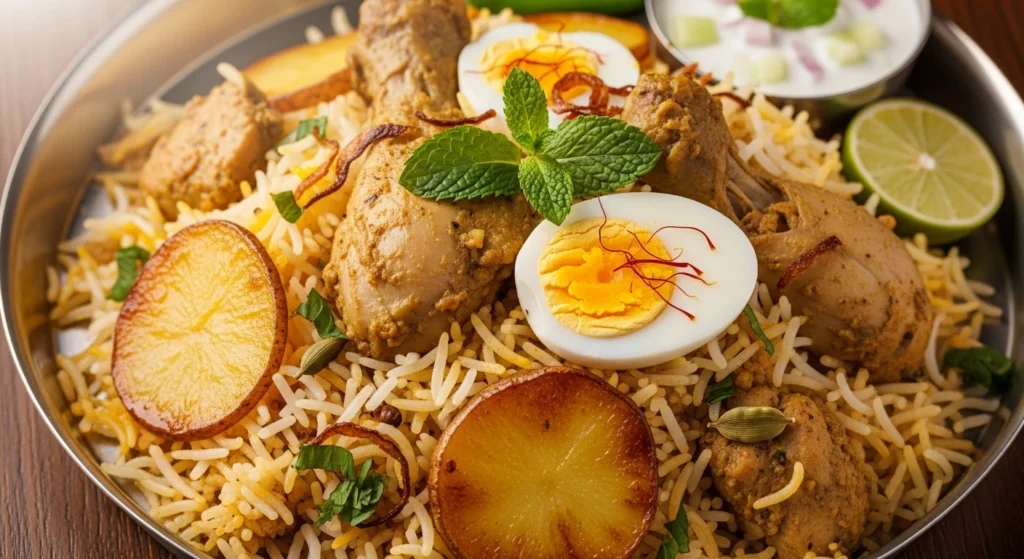
- Boiled eggs (halved)
- Fried cashews and raisins
Step-by-Step Preparation of Kolkata Biryani
Cooking Kolkata Biryani is an art that requires patience and precision. Here’s a beginner-friendly guide:
Step 1: Marinate the Meat
- In a large bowl, mix yogurt, ginger-garlic paste, red chili powder, turmeric, garam masala, and salt.
- Add the mutton (or chicken) and coat well.
- Add a splash of mustard oil for depth of flavor.
- Cover and let it marinate for at least 4–6 hours, preferably overnight.
Step 2: Prepare the Rice
- Wash and soak basmati rice for 30 minutes.
- In a large pot, boil water with bay leaves, cardamom, cloves, cinnamon, and salt.
- Add the soaked rice and cook until 70% done.
- Drain and set aside.
Step 3: Fry the Onions (Birista)
- Heat ghee or oil in a pan.
- Fry thinly sliced onions until golden brown and crisp.
- Remove and drain on paper towels. Keep aside.
Step 4: Cook the Potatoes
- Parboiled potatoes are fried lightly in ghee until golden.
- This gives them a rich flavor and ensures they hold shape during dum cooking.
Step 5: Cook the Meat
- In a heavy-bottomed pan, heat ghee.
- Add marinated mutton, green chilies, and half the fried onions.
- Cook until the meat is tender and coated with thick masala.
- Add a little water if needed.
Step 6: Layering the Biryani
- In a deep handi (pot), start with a layer of rice at the bottom.
- Add cooked mutton and potatoes as the next layer.
- Sprinkle fried onions, mint, coriander, saffron milk, and a few drops of rose/kewra water.
- Repeat the layers until all rice and meat are used, finishing with rice on top.
- Drizzle ghee for extra richness.
Step 7: Dum Cooking (Sealing and Slow Cooking)
- Seal the pot with a tight lid or dough to trap steam.
- Place the handi on very low heat (or on a tawa/griddle) for 25–30 minutes.
- Alternatively, bake in a preheated oven at 180°C for 20–25 minutes.
Step 8: Serve
Once opened, the biryani should reveal fluffy rice grains, tender meat, and golden potatoes infused with aromatic spices. Serve with raita, salad, and boiled eggs.
Health Benefits of Kolkata Biryani
Although biryani is often seen as a festive indulgence, Kolkata Biryani has some surprising health aspects when enjoyed in moderation.
1. Balanced Nutrition
It combines carbohydrates (rice), proteins (meat and eggs), and fats (ghee), making it a complete meal.
2. Rich in Spices with Health Properties
- Cardamom and cloves aid digestion.
- Cinnamon helps regulate blood sugar.
- Turmeric and ginger have anti-inflammatory benefits.
3. Potatoes Add Fiber and Energy
The signature potatoes aren’t just delicious—they also provide dietary fiber, potassium, and sustained energy.
4. Protein-Rich
Mutton or chicken provides high-quality protein essential for strength and muscle health.
5. Satiety and Comfort
Biryani is hearty and filling, which makes it satisfying and helps reduce overeating.
Of course, portion control is key—too much ghee or fried elements can make it calorie-heavy.
Conclusion: Experience the Elegance of Kolkata Biryani
Kolkata Biryani isn’t just a dish—it’s a story of resilience, adaptation, and love for flavor. From the exiled Nawab’s kitchens to today’s bustling streets of Kolkata, this biryani has become a timeless culinary treasure.
Making it at home takes patience, but the reward is truly worth it. Each spoonful brings together fragrant rice, tender meat, aromatic spices, and of course, the star ingredient—the potato.
So, why not give it a try? Bring out your spices, marinate your meat, and let the dum cooking work its magic. Your kitchen will be filled with the aroma of history, culture, and comfort—served on a plate.