
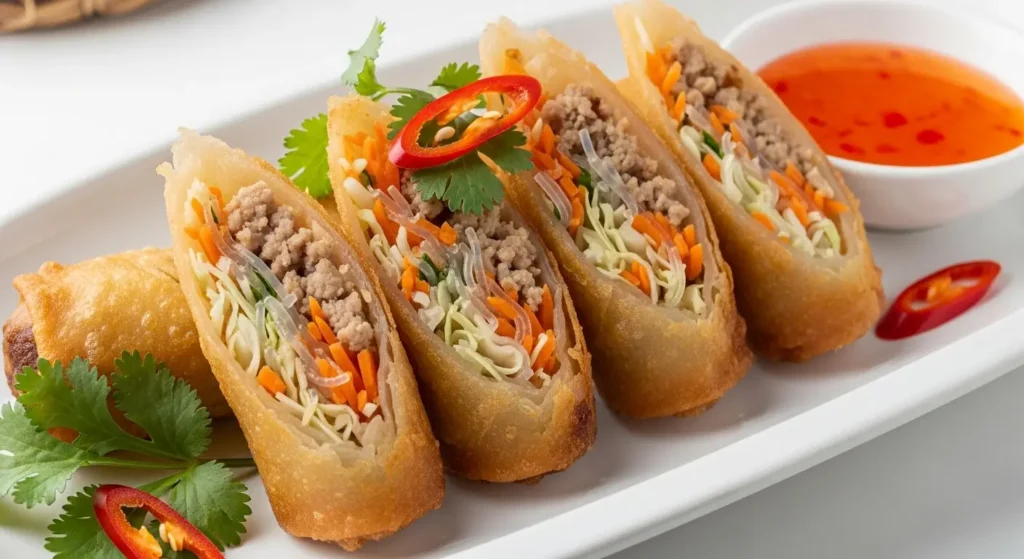
Spring Rolls (春卷): A Crispy Delight with Rich History and Flavor
Table of Contents
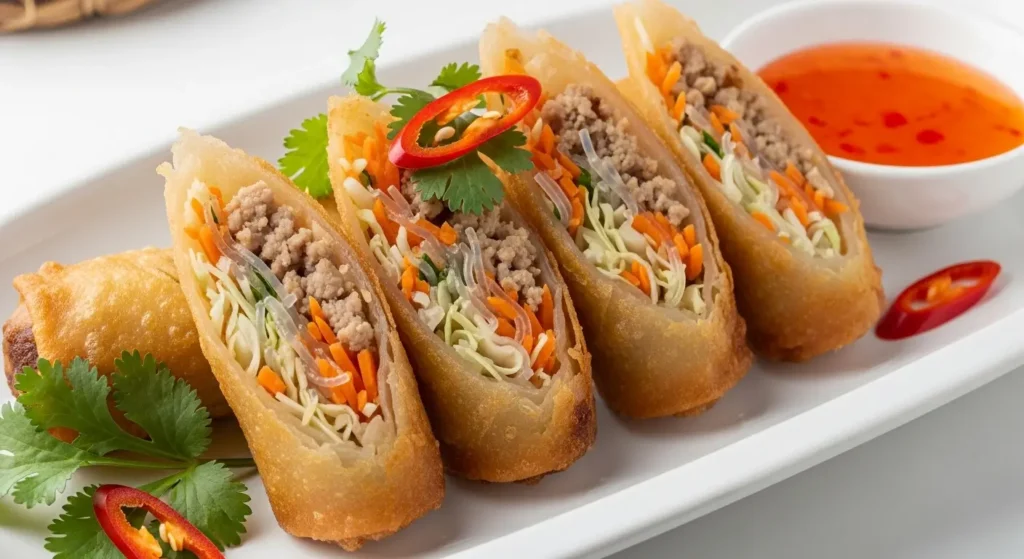
Spring rolls, known as 春卷 (chūn juǎn) in Chinese, are one of the most beloved appetizers in Asian cuisine. Golden, crispy, and filled with a variety of delicious ingredients, they have become a global favorite found everywhere from street food stalls in China to high-end restaurants around the world.
In this article, we’ll explore the history of spring rolls, the ingredients you need, a step-by-step guide to making them, and the health benefits of this timeless dish. Whether you’re new to cooking or a seasoned foodie, you’ll find this guide both approachable and inspiring.
The History of Spring Rolls (春卷)
Spring rolls have a fascinating history that stretches back centuries. Originating in China, they were traditionally enjoyed during the Spring Festival (Chinese New Year). In fact, their name “春卷” literally translates to “spring roll,” symbolizing the arrival of spring and new beginnings.
In ancient times, people celebrated the Spring Festival by eating thin pancakes filled with fresh vegetables and meats. These eventually evolved into what we now know as spring rolls—delicately wrapped, fried until crispy, and enjoyed as a symbol of prosperity, wealth, and happiness.
As trade and migration spread Chinese culture, spring rolls made their way across Asia. Each region put its own spin on the dish:
- Vietnam introduced fresh spring rolls (gỏi cuốn), which are not fried but wrapped in rice paper.
- Thailand adopted spring rolls with sweet chili dipping sauces.
- The Philippines created lumpia, a close relative of the spring roll with distinct local flavors.
Today, spring rolls are not only a festive food but also a universal snack loved across the globe.
Ingredients for Authentic Spring Rolls
Making spring rolls at home doesn’t require complicated ingredients. The beauty of this dish is its versatility—you can customize the filling based on your taste, dietary needs, or what’s in your pantry.
Here’s a basic ingredient list for about 20 spring rolls:
Wrappers:
- Spring roll wrappers (available fresh or frozen at most Asian grocery stores)
Filling:
- 2 cups shredded cabbage
- 1 cup grated carrots
- 1 cup bean sprouts
- 1 cup shiitake mushrooms (sliced thinly)
- ½ cup chopped green onions
- 2 cloves garlic, minced
- 1 tablespoon ginger, finely grated
- ½ cup cooked shrimp, chicken, or pork (optional for non-vegetarian versions)
Seasoning:
- 2 tablespoons soy sauce
- 1 tablespoon oyster sauce (optional for extra depth)
- 1 teaspoon sesame oil
- Salt and pepper to taste
For Frying:
- Vegetable oil (enough for deep frying)
Dipping Sauce:
- Soy sauce, sweet chili sauce, or vinegar with garlic and chili
Tip: If you prefer a lighter version, you can bake or air-fry the spring rolls instead of deep frying.
Step-by-Step Preparation of Spring Rolls
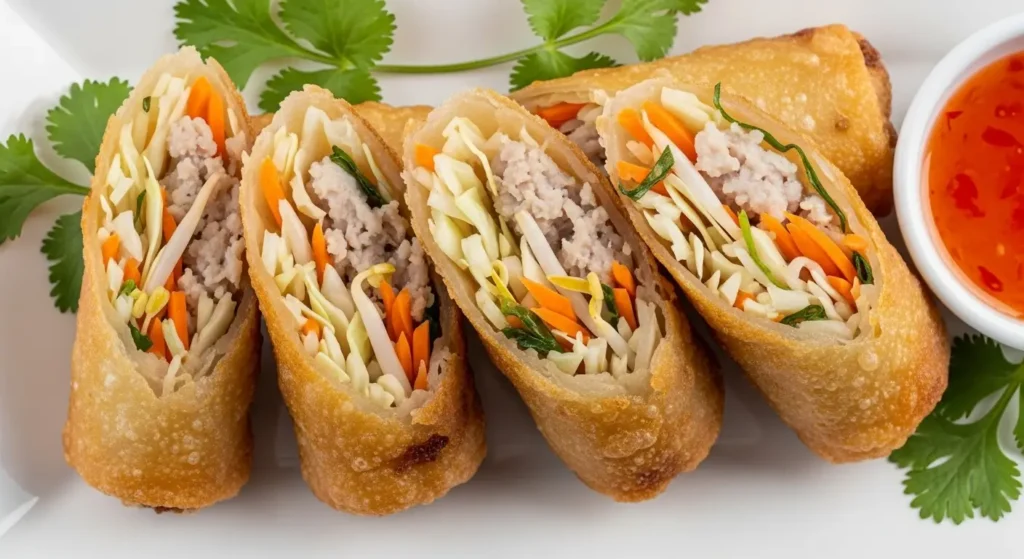
Spring rolls may look intricate, but the process is actually fun and easy once you get the hang of it. Follow this simple guide:
Step 1: Prepare the Filling
- Heat a tablespoon of oil in a large skillet or wok.
- Add garlic and ginger, sauté until fragrant.
- Toss in cabbage, carrots, bean sprouts, and mushrooms. Stir-fry for 2–3 minutes.
- Add soy sauce, oyster sauce, sesame oil, salt, and pepper. Mix well.
- Remove from heat and let the filling cool completely. This prevents soggy wrappers.
Step 2: Wrapping the Spring Rolls
- Place one wrapper on a clean, dry surface with a corner facing you (diamond shape).
- Add 1–2 tablespoons of filling near the bottom corner.
- Fold the bottom corner over the filling, then fold in the two side corners.
- Roll tightly upwards, sealing the top edge with a little water or beaten egg.
Tip: Don’t overfill the wrapper—this makes it harder to roll and can cause bursting during frying.
Step 3: Frying the Spring Rolls
- Heat vegetable oil in a deep pan to about 350°F (175°C).
- Carefully place spring rolls into the oil, a few at a time.
- Fry until golden brown and crispy (about 3–5 minutes).
- Remove and drain on paper towels to absorb excess oil.
Step 4: Serving
Serve the spring rolls hot with your choice of dipping sauce. Sweet chili sauce, soy-based dips, or even peanut sauce pair beautifully with the crispy rolls.
Health Benefits of Spring Rolls
While spring rolls are often thought of as indulgent snacks, they can also be quite nutritious, especially when prepared with fresh, wholesome ingredients.
1. Rich in Vegetables
The filling is usually loaded with cabbage, carrots, mushrooms, and sprouts—all of which are high in fiber, vitamins, and antioxidants. These help improve digestion and support overall health.
2. Protein Options
By adding shrimp, chicken, or tofu, spring rolls become a balanced dish with a good mix of protein and vegetables.
3. Portion Control
Spring rolls are bite-sized, making them easy to portion and enjoy without overeating.
4. Lighter Cooking Methods
Instead of deep frying, you can choose to bake or air-fry them for a healthier alternative that still delivers a crispy texture.
5. Fresh Variations
If you prefer, opt for fresh spring rolls (not fried), which are lower in calories and perfect for a light, refreshing meal.
Conclusion
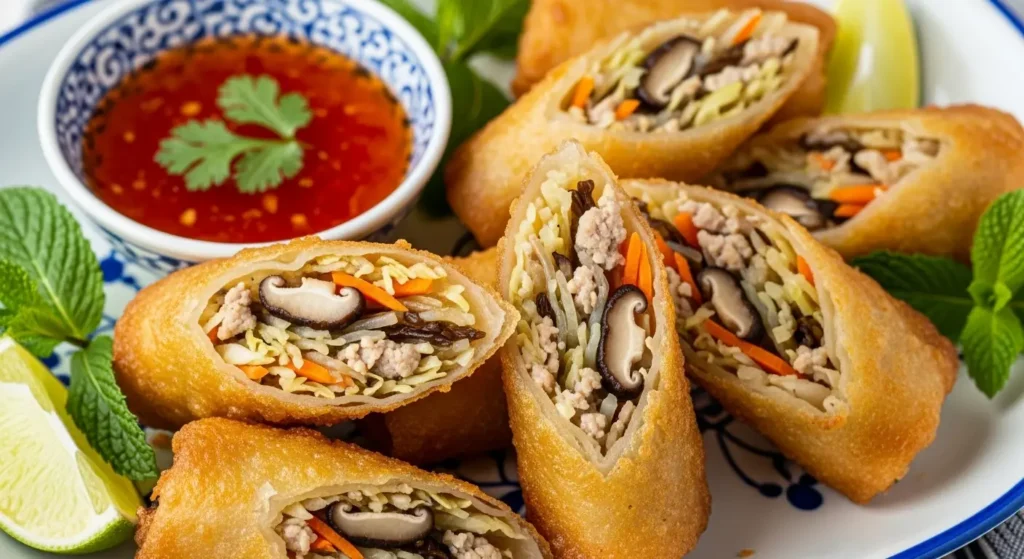
Spring rolls (春卷) are more than just a crispy snack—they’re a culinary tradition that carries history, flavor, and cultural symbolism. From their roots in Chinese New Year celebrations to their worldwide popularity today, they continue to bring joy to the table.
Whether you enjoy them fried and crunchy or fresh and light, spring rolls are endlessly versatile and easy to make at home. With just a few simple ingredients and steps, you can create a dish that’s both comforting and impressive.
And if you love trying out different kitchen projects, why not expand your skills further? Just like spring rolls connect you to centuries of tradition, sourdough baking offers its own rewarding journey—filled with creativity, patience, and the joy of sharing homemade food with loved ones.
So next time you’re in the mood for something delicious, try making spring rolls—and maybe start your first sourdough loaf too.