
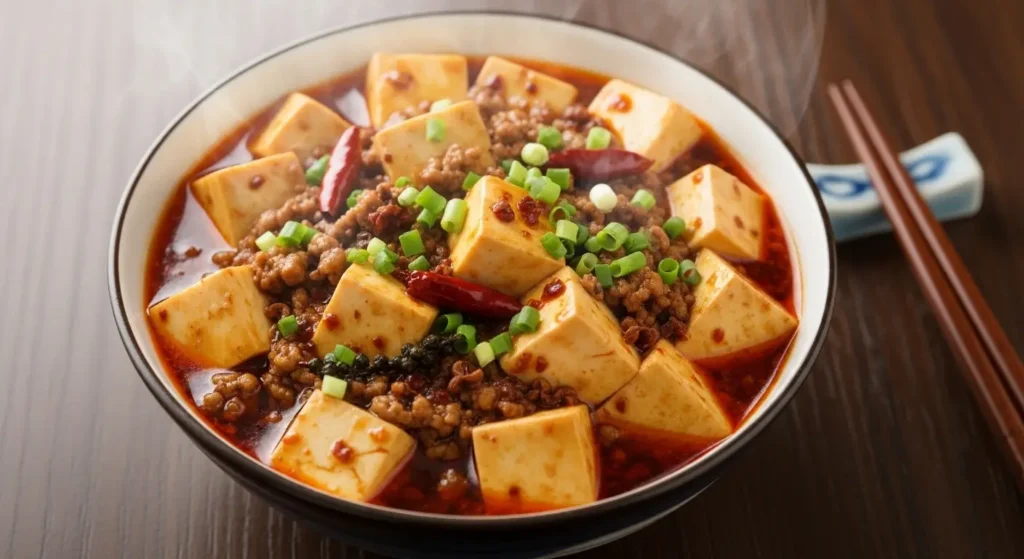
Mapo Tofu (麻婆豆腐): A Flavorful Sichuan Classic
Table of Contents
Introduction
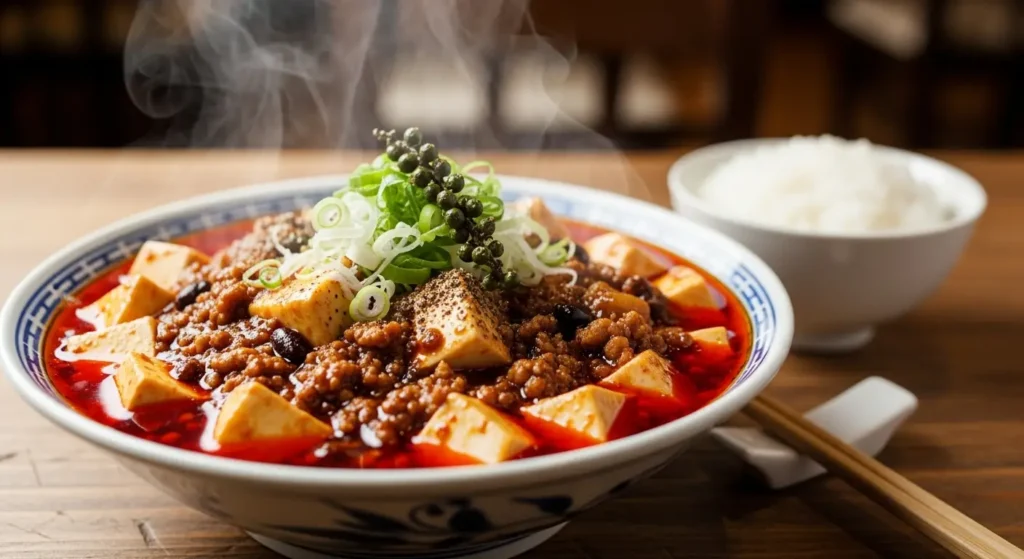
Mapo Tofu (麻婆豆腐) is one of the most beloved and iconic dishes in Sichuan cuisine. Known for its bold flavors, silky texture, and the perfect balance of heat and numbing spice, this dish has captured the hearts of food lovers worldwide. Whether you’re enjoying it in a traditional Chinese restaurant or recreating it in your own kitchen, Mapo Tofu offers an unforgettable culinary experience.
This blog will take you on a flavorful journey—exploring the history of Mapo Tofu, breaking down its key ingredients, guiding you step by step through its preparation, and highlighting the health benefits it brings. By the end, you’ll not only know how to make it at home but also understand why this dish has stood the test of time as a Sichuan favorite.
History of Mapo Tofu
Mapo Tofu originated in Chengdu, Sichuan Province, during the late 19th century. The dish is believed to have been created by a woman nicknamed “Ma Po”, meaning “pockmarked old woman,” who ran a small restaurant with her husband. Her unique way of cooking tofu with ground beef (or pork), chili bean paste, and Sichuan peppercorns became so popular that it spread far beyond Sichuan.
The name “Mapo Tofu” directly reflects its roots:
- Ma (麻) = pockmarked (a reference to the creator)
- Po (婆) = old woman or grandmother
- Doufu (豆腐) = tofu
Over the decades, Mapo Tofu has become not only a Sichuan classic but also a global dish adapted in different regions. In Japan and Korea, for example, milder versions exist, often adjusting spice levels while keeping the essence intact. Today, it’s one of the most recognized Chinese dishes worldwide.
Key Ingredients of Mapo Tofu
One of the beauties of Mapo Tofu is how simple yet powerful its ingredients are. Each component has a role to play in creating that signature depth of flavor.
Core Ingredients:
- Tofu: Traditionally soft or silken tofu is used for its silky texture that contrasts with the bold sauce.
- Ground Meat: Pork or beef is commonly used, adding richness and umami.
- Doubanjiang (Chili Bean Paste): A fermented paste made with broad beans and chili peppers—the soul of Mapo Tofu.
- Sichuan Peppercorns: Provide the distinctive “má” (numbing) sensation unique to Sichuan cuisine.
- Garlic and Ginger: Aromatics that enhance depth and fragrance.
- Green Onions: For freshness and color.
Supporting Ingredients:
- Soy Sauce: Adds saltiness and umami.
- Shaoxing Wine: Traditional Chinese rice wine that enhances flavor.
- Chicken or Vegetable Stock: For a balanced, saucy consistency.
- Cornstarch Slurry: Thickens the sauce to coat the tofu evenly.
- Chili Oil: Adds heat and a glossy finish.
Step-by-Step Preparation of Mapo Tofu
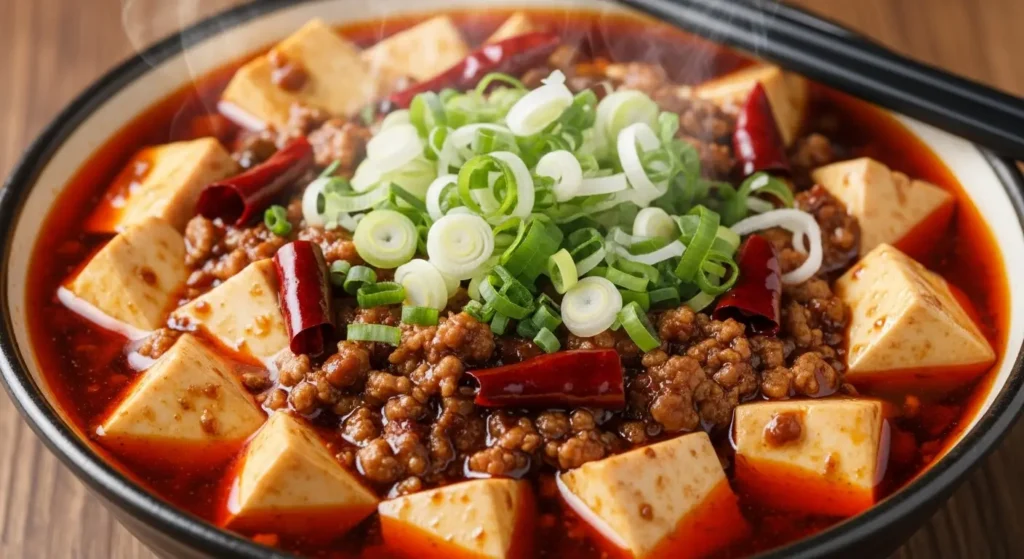
Cooking Mapo Tofu at home is easier than you might think. Follow these steps carefully, and you’ll have a restaurant-quality dish ready in under 30 minutes.
Step 1: Prepare the Ingredients
- Cut soft tofu into 1-inch cubes. To keep them intact, blanch them in salted boiling water for 2–3 minutes, then drain.
- Mince garlic and ginger.
- Chop green onions finely.
- Prepare a cornstarch slurry by mixing 1 tablespoon of cornstarch with 2 tablespoons of water.
Step 2: Toast the Sichuan Peppercorns
- In a dry pan, lightly toast 1–2 teaspoons of Sichuan peppercorns until fragrant.
- Grind them into a powder using a mortar and pestle or spice grinder. This becomes your flavor base.
Step 3: Cook the Ground Meat
- Heat a wok or deep skillet over medium-high heat.
- Add a tablespoon of oil and cook the ground pork or beef until browned and slightly crispy.
- Add a splash of Shaoxing wine to deglaze.
Step 4: Build the Sauce
- Stir in 2 tablespoons of doubanjiang (chili bean paste) and cook until the oil turns red and aromatic.
- Add garlic, ginger, and half of the green onions.
- Pour in about 1 cup of chicken or vegetable stock.
Step 5: Add the Tofu
- Gently slide the blanched tofu cubes into the sauce.
- Let them simmer for 5–7 minutes so they absorb the flavors. Avoid stirring too much to prevent breaking.
Step 6: Thicken the Sauce
- Add the cornstarch slurry gradually while gently stirring.
- The sauce should thicken and coat the tofu evenly.
Step 7: Finish with Aromatics
- Sprinkle in the ground Sichuan peppercorns for the numbing kick.
- Drizzle with a little chili oil for extra heat and a glossy finish.
- Garnish with the remaining green onions.
Step 8: Serve Hot
Serve Mapo Tofu over steamed jasmine rice for the perfect balance of heat, flavor, and comfort.
Health Benefits of Mapo Tofu
Despite its fiery appearance, Mapo Tofu offers several nutritional benefits that make it a dish worth enjoying regularly.
1. Rich in Plant-Based Protein
Tofu is an excellent source of protein, especially for vegetarians and vegans. Combined with ground meat, Mapo Tofu becomes a protein-rich meal.
2. Boosts Metabolism
The chili peppers and Sichuan peppercorns stimulate circulation and can boost metabolism, making it a dish that energizes the body.
3. Packed with Nutrients
Tofu provides essential minerals like calcium, iron, and magnesium, while garlic and ginger contribute antioxidants and anti-inflammatory properties.
4. Digestive Benefits
Fermented ingredients like doubanjiang support gut health thanks to beneficial probiotics.
5. Customizable for Diets
Mapo Tofu can easily be made vegetarian or vegan by replacing meat with mushrooms, tempeh, or plant-based ground alternatives.
Tips for Perfect Mapo Tofu
- Use authentic doubanjiang for the best depth of flavor. Brands from Pixian, Sichuan, are considered the gold standard.
- Adjust spice levels: Reduce chili oil or peppercorns for a milder version.
- Balance flavors: The perfect Mapo Tofu should be spicy, numbing, savory, and slightly salty—but never overwhelming.
- Pair it well: Steamed rice is the traditional choice, but you can also pair it with noodles or even crusty sourdough bread for a fusion twist.
Conclusion
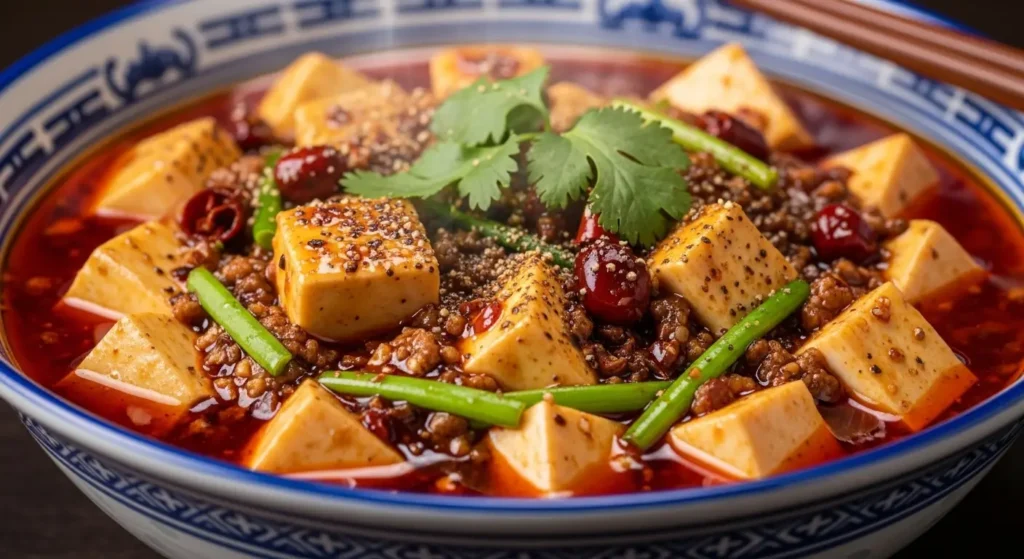
Mapo Tofu (麻婆豆腐) is more than just a spicy Sichuan dish—it’s a cultural icon that represents the artistry of Chinese cuisine. From its humble beginnings in a Chengdu restaurant to its worldwide popularity today, it continues to delight food lovers with its bold, layered flavors.
Making Mapo Tofu at home is not only rewarding but also surprisingly simple. With the right ingredients and techniques, you can bring the heat and soul of Sichuan cooking straight to your kitchen.
And if you’re feeling adventurous in the kitchen, why not pair your next Mapo Tofu meal with a slice of homemade sourdough bread? The tangy, chewy texture of sourdough complements the spicy richness of the tofu beautifully. Plus, learning sourdough baking is an exciting journey in itself—one that brings comfort, creativity, and delicious rewards.
So go ahead—spice up your kitchen with Mapo Tofu, and let sourdough baking be your next culinary adventure!