
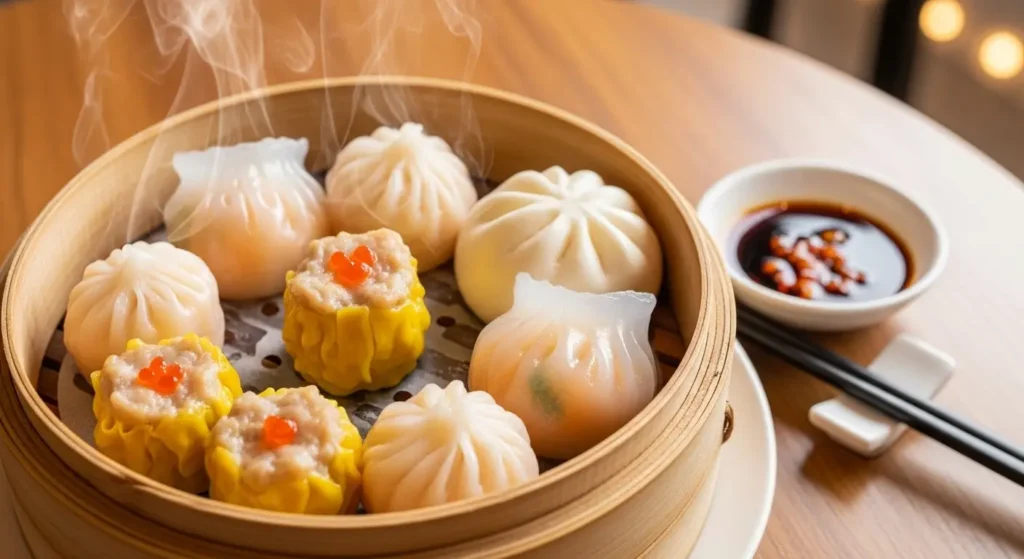
Dim Sum (点心): A Complete Guide to China’s Beloved Bite-Sized Tradition
Table of Contents
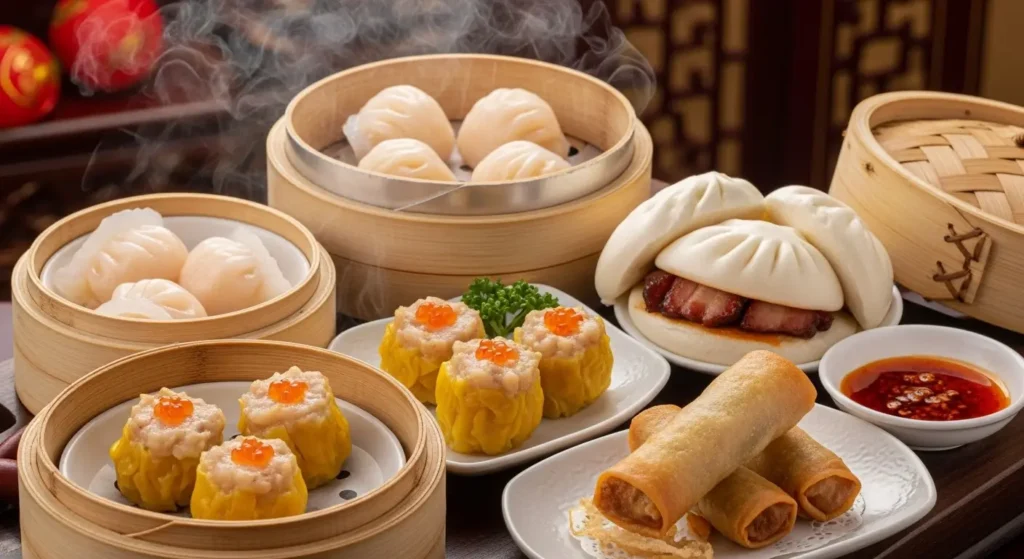
Introduction
Few culinary experiences capture the essence of community, flavor, and tradition quite like Dim Sum (点心). Often described as “small bites with big flavor,” Dim Sum isn’t just about food—it’s about connection. Imagine gathering around a table with steaming bamboo baskets, sipping fragrant tea, and sharing plates filled with dumplings, buns, and savory treats. That’s the magic of Dim Sum.
Whether you’ve tried it in a bustling Hong Kong tea house, a modern dim sum restaurant, or you’re curious about making it at home, Dim Sum represents more than just a meal—it’s a cultural ritual. In this blog, we’ll explore the history of Dim Sum, essential ingredients, a step-by-step preparation guide, and the surprising health benefits of this traditional cuisine.
History of Dim Sum (点心)
Origins in Ancient China
The story of Dim Sum begins centuries ago along the Silk Road in China. Travelers and traders stopping at teahouses were served small bite-sized snacks to accompany their tea. Over time, these evolved into the Dim Sum we know today, closely tied to the practice of Yum Cha (饮茶), which means “drinking tea.”
Dim Sum literally translates to “touch the heart.” These dishes were never meant to be overly filling but rather light snacks that satisfy the soul while leaving room for conversation.
Evolution in Cantonese Culture
While its origins are widespread, Cantonese culture perfected Dim Sum into a culinary art form. In Guangdong province, chefs created delicate dumplings, buns, and rolls, each with unique fillings and cooking techniques. By the 19th century, Dim Sum had become deeply rooted in Cantonese dining traditions, especially in Hong Kong and Guangzhou.
Global Expansion
Today, Dim Sum is celebrated worldwide, from New York’s Chinatown to London’s modern Asian eateries. Its popularity lies in its adaptability—chefs continue to innovate while respecting tradition, offering everything from classic pork dumplings to vegan-friendly options.
Ingredients Used in Dim Sum
Dim Sum is incredibly diverse, with over 1,000 variations documented throughout history. However, most recipes rely on a few staple ingredients that balance flavor, texture, and nutrition.
Common Ingredients
- Dumpling Wrappers: Made from wheat flour, rice flour, or tapioca starch, giving different textures.
- Proteins: Pork, shrimp, chicken, beef, and tofu are commonly used.
- Vegetables: Napa cabbage, mushrooms, bamboo shoots, and chives add freshness.
- Seasonings: Soy sauce, sesame oil, oyster sauce, ginger, and garlic.
- Rice & Flour: Sticky rice, rice noodles, and wheat buns form the base for many dishes.
Tea Pairings
Dim Sum is almost always served with tea. Popular choices include:
- Pu-erh tea (普洱茶): A fermented tea that aids digestion.
- Oolong tea (乌龙茶): Floral and fragrant, perfect with seafood dishes.
- Chrysanthemum tea (菊花茶): A caffeine-free, soothing option.
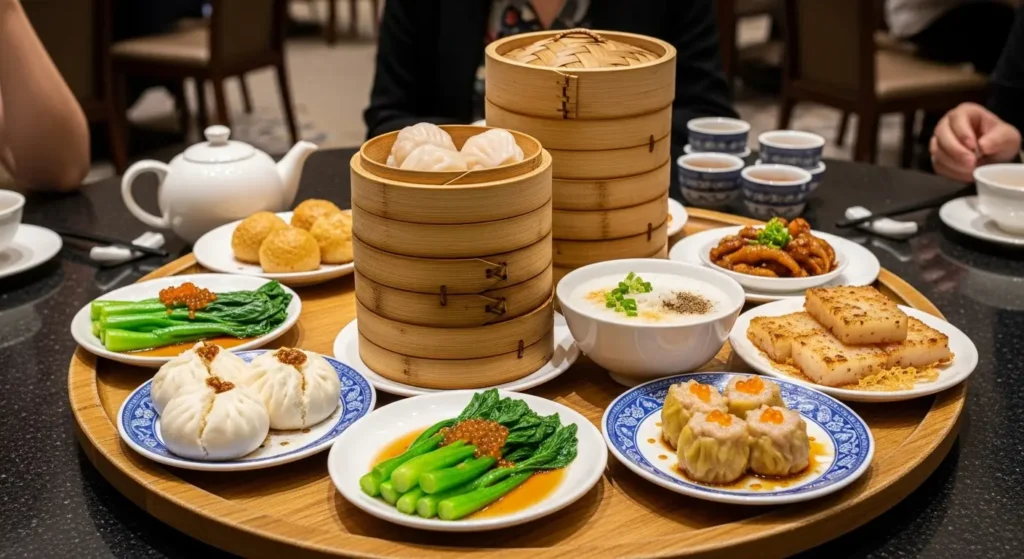
Step-by-Step Preparation of Dim Sum
Dim Sum isn’t one single recipe—it’s a collection of dishes. Below is a simplified guide to making classic dumplings, one of the most iconic Dim Sum items.
Step 1: Prepare the Dough
- Mix wheat flour with warm water to create a smooth dough.
- Knead until elastic, then cover and rest for 30 minutes.
- Roll into thin sheets and cut into circles for wrappers.
Step 2: Create the Filling
- Basic pork and shrimp filling:
- Ground pork (200 g)
- Shrimp, finely chopped (100 g)
- Minced ginger, garlic, and scallions
- 1 tbsp soy sauce, 1 tsp sesame oil
- Mix thoroughly until sticky and well combined.
Step 3: Shape the Dumplings
- Place a teaspoon of filling in the center of each wrapper.
- Fold in half, pinch the edges, or pleat for a traditional look.
- Ensure dumplings are sealed to prevent leakage during cooking.
Step 4: Cooking Methods
Dim Sum can be prepared in multiple ways, each offering unique textures:
- Steaming: Bamboo steamers preserve flavor and moisture.
- Boiling: Dumplings cooked in water for a softer texture.
- Pan-Frying: Dumplings are crisped on one side for contrast.
- Baking/Roasting: Used for buns like Char Siu Bao (BBQ pork buns).
Step 5: Serve with Dipping Sauces
Dim Sum pairs beautifully with light sauces:
- Soy sauce with chili oil
- Black vinegar with ginger
- Sweet hoisin or plum sauce
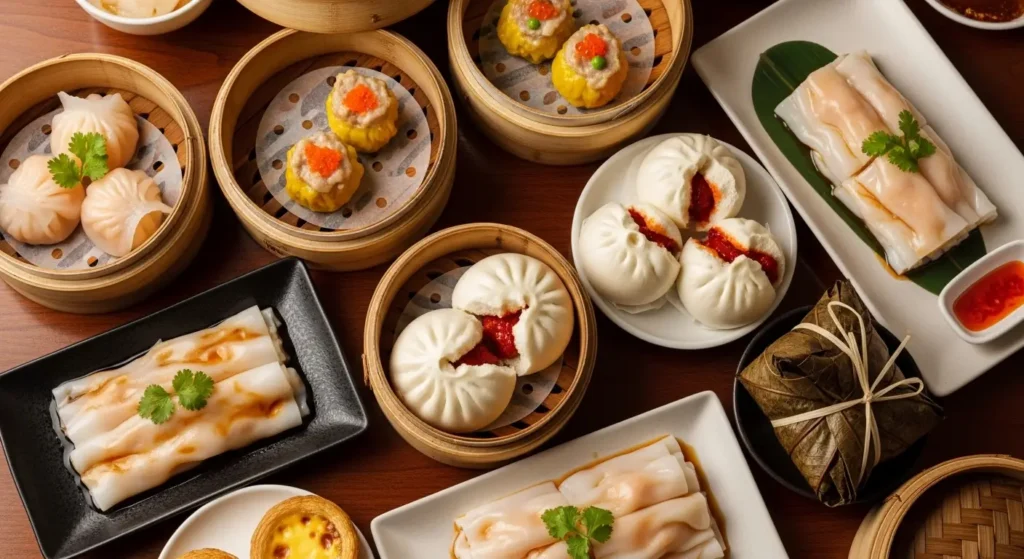
Popular Dim Sum Dishes to Try
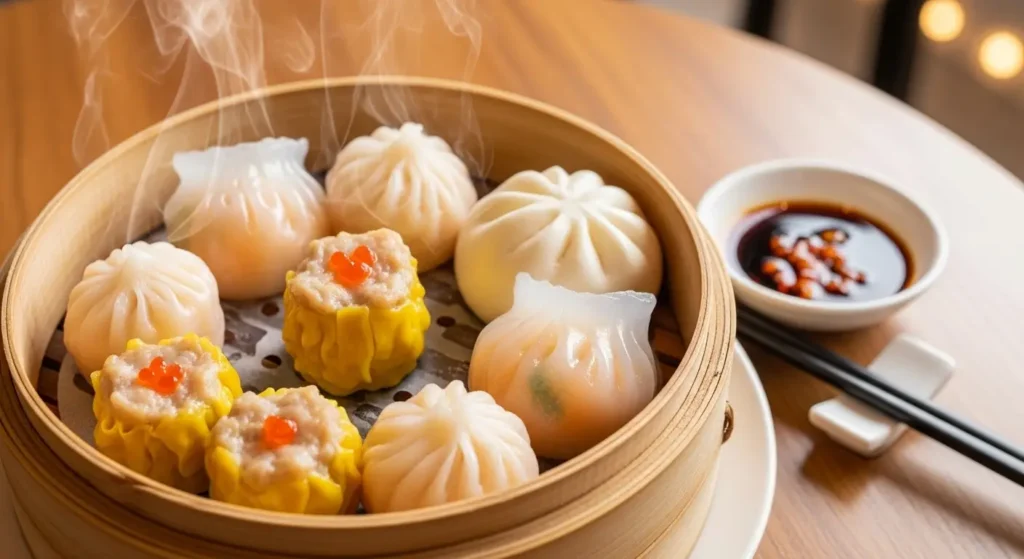
- Har Gow (虾饺): Shrimp dumplings with translucent wrappers.
- Siu Mai (烧卖): Pork and shrimp open-topped dumplings.
- Char Siu Bao (叉烧包): Fluffy steamed buns filled with barbecue pork.
- Cheung Fun (肠粉): Rice noodle rolls with soy sauce drizzle.
- Turnip Cake (萝卜糕): Pan-fried savory cake made from daikon.
- Egg Tarts (蛋挞): Sweet pastry filled with egg custard.
Health Benefits of Dim Sum
While Dim Sum is often seen as indulgent, it can also offer nutritional benefits when enjoyed mindfully.
1. Balanced Portions
Because Dim Sum is served in small bites, it encourages variety without overeating. You can sample multiple dishes without consuming massive portions.
2. Steamed Options
Steamed dumplings, buns, and rolls are generally lower in fat and calories compared to fried foods, making them a lighter choice.
3. Fresh Ingredients
Traditional Dim Sum recipes use fresh vegetables, lean proteins, and aromatic herbs, contributing to a nutrient-rich meal.
4. Digestive Benefits of Tea
The pairing of tea isn’t just cultural—it aids digestion, reduces bloating, and helps cut through the richness of certain dishes.
5. Mindful Eating
Dim Sum is often enjoyed slowly, with conversation and tea. This mindful approach to eating can support better digestion and overall satisfaction.
Tips for Making Dim Sum at Home
- Start with simple dishes like dumplings or spring rolls before attempting complex buns.
- Use bamboo steamers for authentic flavor.
- Don’t rush the wrapping process—practice makes perfect.
- Experiment with vegetarian fillings like mushrooms, tofu, or edamame.
Conclusion
Dim Sum (点心) is more than just food—it’s an experience of culture, community, and creativity. From its ancient origins on the Silk Road to its modern global popularity, Dim Sum has always been about sharing joy through small, flavorful bites.
If you’ve never tried making it at home, start simple—steamed dumplings or buns—and pair them with hot tea. The process may take patience, but the rewards are worth it. And just like sourdough baking, Dim Sum invites you to slow down, connect with tradition, and enjoy the satisfaction of creating something meaningful from scratch.
So why not roll up your sleeves and give it a try? Your kitchen could become the next little Dim Sum teahouse.