
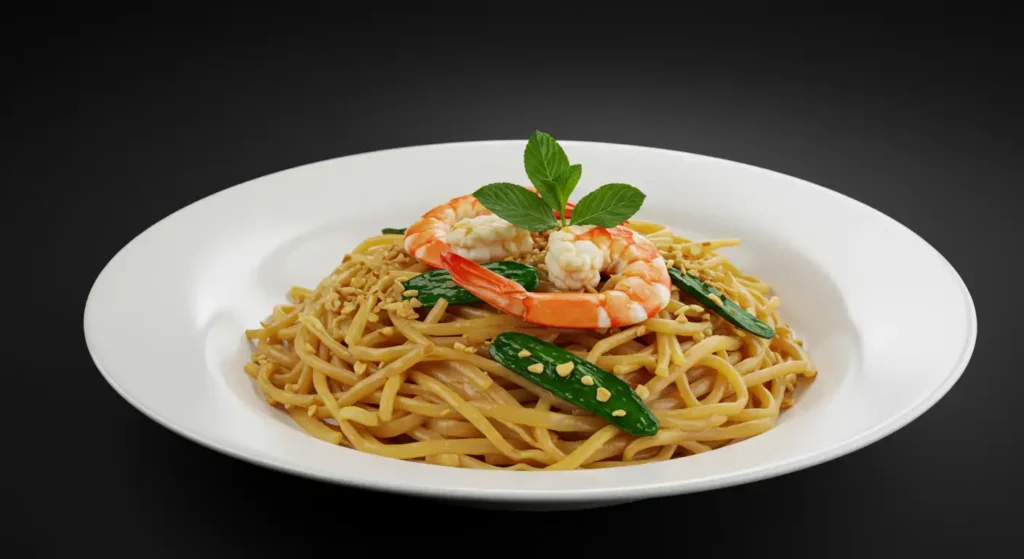
Thai Green Curry (แกงเขียวหวาน): A Complete Guide to Thailand’s Beloved Curry
Table of Contents
Introduction
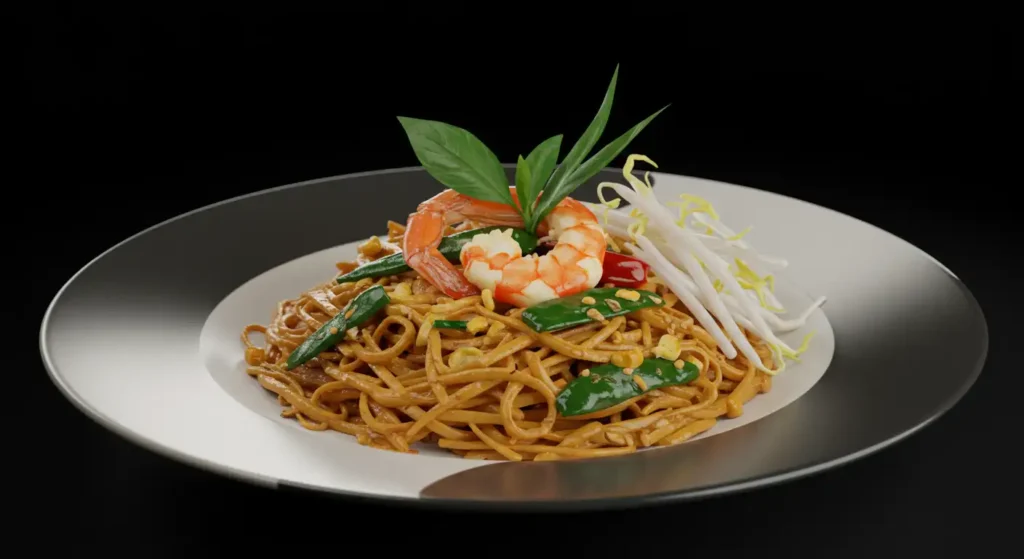
Few dishes represent the soul of Thai cuisine as beautifully as Green Curry (แกงเขียวหวาน, Gaeng Keow Wan). Known for its creamy coconut base, fiery green chilies, and aromatic herbs, this curry is a perfect balance of spicy, sweet, salty, and savory flavors. Unlike the heavier curries of India, Thai Green Curry feels lighter, fresher, and deeply herbal.
Whether you’ve enjoyed it in a Thai restaurant or are curious about making it from scratch at home, this guide will take you through the history, ingredients, preparation, and health benefits of Green Curry—so you can cook it with confidence and enjoy its authentic taste.
History of Green Curry
Origins in Thai Cuisine
Green Curry is believed to have been developed in central Thailand during the early 20th century. Its name, Gaeng Keow Wan, translates to “sweet green curry”, not because it is sugary, but because the curry paste is made with green chilies, giving it a naturally sweet, herbal flavor.
Unlike the red and yellow curries of Thailand, which derive from dried chilies and turmeric, Green Curry owes its distinctive color and taste to fresh green chilies, lemongrass, kaffir lime leaves, galangal, and basil.
Regional Influence
Thai curries have always reflected the country’s geography and trade history:
- Southern Thailand: Influenced by Indian spices and the heavy use of coconut milk.
- Central Thailand (home of Green Curry): Known for milder, fragrant dishes with a balance of sweetness and spice.
- Northern Thailand: Features lighter, less coconut-based curries such as Khao Soi.
Today, Green Curry is recognized worldwide as a Thai culinary icon, appearing on menus from Bangkok to New York, often served with fragrant jasmine rice or rice noodles.
Essential Ingredients for Green Curry
Green Curry’s magic lies in its green curry paste—a blend of herbs and spices that creates the dish’s signature flavor. Let’s break it down:
For the Green Curry Paste (homemade preferred)
- Fresh green chilies (bird’s eye or spur chilies): For heat and vibrant color.
- Lemongrass: Adds citrusy freshness.
- Galangal: A peppery cousin of ginger, grounding the flavors.
- Kaffir lime peel and leaves: Provide a distinct floral citrus note.
- Shallots and garlic: Sweetness and depth.
- Coriander roots (or stems): Earthy undertone.
- Shrimp paste (kapi): Traditional umami boost.
(Tip: Store-bought green curry paste works in a pinch, but making it fresh at home delivers unmatched aroma and depth.)
Other Core Ingredients
- Coconut milk: The creamy base of the curry.
- Chicken, beef, or tofu: Popular protein choices. Chicken thigh is most traditional.
- Thai eggplants (small, round): Mild bitterness that balances the richness.
- Bamboo shoots: Adds crunch and texture.
- Palm sugar: For natural sweetness.
- Fish sauce: Salty, savory balance.
- Thai basil leaves: Fresh, peppery finish.
- Red chilies (optional garnish): Adds color contrast.
Step-by-Step Preparation of Thai Green Curry
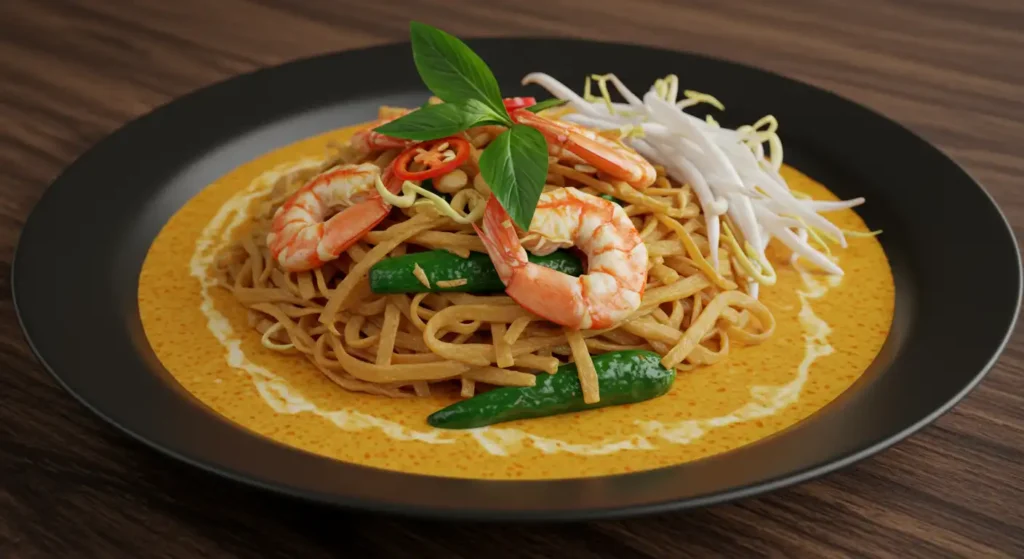
Cooking Green Curry at home may sound intimidating, but once you understand the process, it becomes a joyful and aromatic kitchen adventure.
Step 1: Prepare the Green Curry Paste
- In a mortar and pestle (traditional method) or blender, grind together:
- 10–12 fresh green chilies
- 3 lemongrass stalks (tender inner parts only)
- 5 garlic cloves
- 3 shallots
- 1 thumb-sized piece of galangal
- 1 teaspoon shrimp paste
- Zest of 1 kaffir lime
- 1 tablespoon coriander roots (or stems)
- A pinch of salt
- Pound or blend until a smooth, fragrant paste forms.
Step 2: Fry the Curry Paste
- Heat 2 tablespoons of coconut cream (the thick top layer of canned coconut milk) in a wok or saucepan over medium heat.
- Add 3–4 tablespoons of the green curry paste.
- Stir-fry until the paste becomes aromatic and the oil begins to separate. This releases the deep flavors.
Step 3: Add the Protein
- Add chicken pieces (or chosen protein) and stir to coat with the paste.
- Cook for 2–3 minutes until the meat is partially cooked.
Step 4: Build the Curry
- Pour in 2 cups of coconut milk and 1 cup of water or stock.
- Bring to a gentle boil, then reduce to a simmer.
- Add sliced Thai eggplants, bamboo shoots, and 2 torn kaffir lime leaves.
- Simmer until the vegetables are tender and the meat is cooked through (about 10–15 minutes).
Step 5: Balance the Flavors
- Season with 2 tablespoons fish sauce and 1 tablespoon palm sugar.
- Taste and adjust: add more fish sauce (salty), sugar (sweet), or chilies (spicy).
- Stir in a handful of Thai basil leaves just before turning off the heat.
Step 6: Serve
- Garnish with fresh basil and sliced red chilies for a pop of color.
- Serve hot with steamed jasmine rice or rice noodles.
Health Benefits of Thai Green Curry
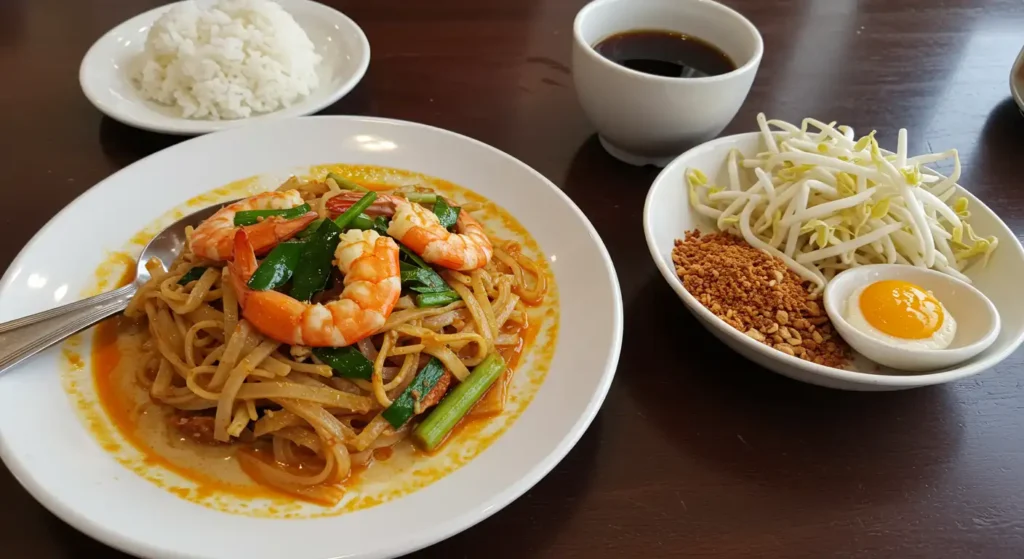
While rich and indulgent, Green Curry also carries surprising health benefits thanks to its fresh herbs and spices.
1. Anti-Inflammatory Properties
- Galangal, chilies, and lemongrass are natural anti-inflammatory agents that help reduce swelling and promote circulation.
2. Boosts Immunity
- The vitamin C in green chilies, lime, and kaffir leaves supports immune function.
- Garlic and shallots add antibacterial properties.
3. Good Source of Protein
- Chicken, beef, tofu, or shrimp provide high-quality protein for muscle repair and energy.
4. Digestive Support
- Lemongrass and galangal stimulate digestion and ease bloating.
- Coconut milk, though rich, contains medium-chain triglycerides (MCTs), which are more easily digested than other fats.
5. Antioxidant-Rich
- Herbs like coriander, kaffir lime, and basil are loaded with antioxidants that protect cells from damage.
(Tip: For a lighter version, reduce coconut milk and increase vegetable content.
Tips for Perfecting Thai Green Curry
- Use fresh herbs whenever possible; dried versions lose potency.
- Don’t overcook Thai basil—add it at the end to preserve aroma.
- Balance is key: Thai cuisine is about harmony between sweet, sour, salty, and spicy flavors. Taste frequently while cooking.
- Adjust spice levels: If you prefer milder curry, remove chili seeds or use fewer chilies in the paste.
- Pair wisely: Jasmine rice absorbs the curry’s richness, but rice noodles or roti make excellent pairings too.
Conclusion
Thai Green Curry (แกงเขียวหวาน) is more than a dish—it’s a culinary experience that embodies the spirit of Thai cooking: fragrant, balanced, and full of life. With its blend of herbs, spices, and coconut cream, it’s no wonder this curry has become a favorite around the world.
Cooking Green Curry at home may feel like an adventure, but it’s also deeply rewarding. Much like learning the art of sourdough baking, preparing this curry invites you to slow down, experiment, and connect with ingredients in a meaningful way.
So, gather your fresh herbs, simmer your coconut milk, and let the vibrant flavors of Thailand fill your kitchen. Your homemade Thai Green Curry journey begins now