
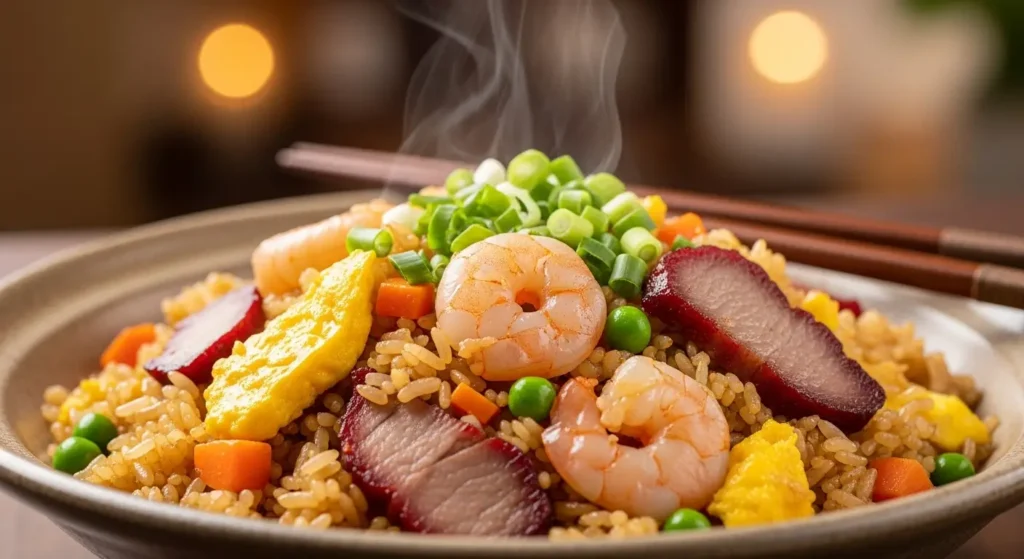
Fried Rice (炒饭): A Timeless Classic Loved Worldwide
Table of Contents
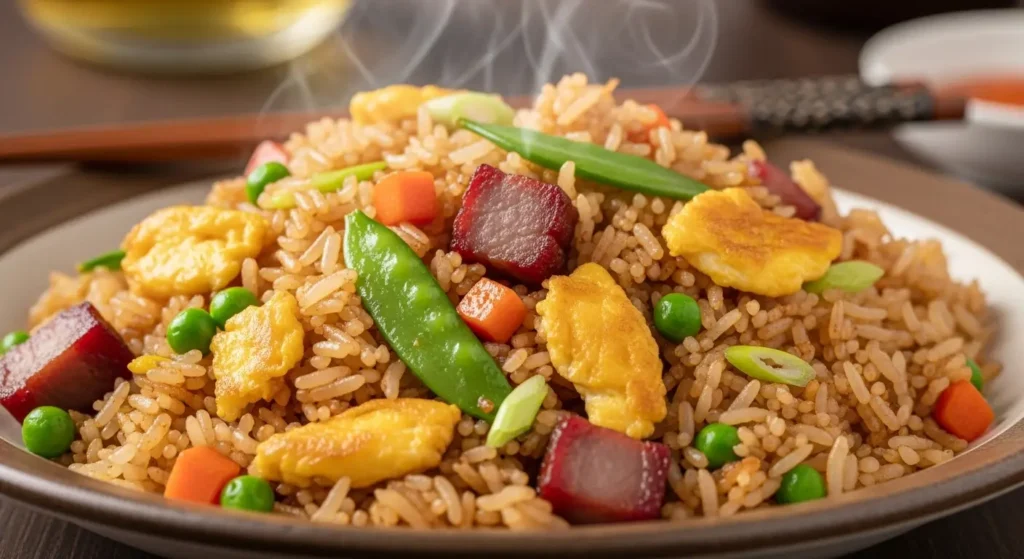
Fried rice (炒饭, chǎo fàn) is one of the most beloved and versatile dishes in Asian cuisine. From bustling street food stalls in China to family kitchens across the globe, this simple yet flavorful dish has become a worldwide favorite. Whether enjoyed as a quick lunch, a hearty dinner, or a way to reinvent leftover rice, fried rice perfectly balances convenience, taste, and creativity.
In this article, we’ll dive into the history of fried rice, explore its essential ingredients, walk through a step-by-step preparation guide, and highlight the health benefits of this comforting dish.
History of Fried Rice
Origins in China
Fried rice has a long and fascinating history that traces back to China, the birthplace of many iconic culinary traditions. Most food historians believe fried rice originated during the Sui Dynasty (589–618 AD) in the city of Yangzhou, which is still famous today for its signature Yangzhou fried rice.
The dish was born out of practicality. Rice was (and still is) a staple in Chinese households, and leftover rice provided the perfect base for creating a quick, hearty meal. By stir-frying rice with available vegetables, meats, and seasonings, people could transform simple ingredients into something both delicious and filling.
Spread Across Asia and the World
As Chinese communities migrated across Asia and beyond, fried rice traveled with them, evolving in every culture it touched. In Thailand, it became Khao Pad, infused with fish sauce and lime. In Indonesia, it transformed into the rich, spicy Nasi Goreng. In Japan, Chahan gained popularity, often featuring pork, scallions, and soy sauce.
Today, fried rice is truly global, with countless variations influenced by local tastes, ingredients, and traditions. Despite these adaptations, the essence of fried rice remains the same: a quick, customizable dish that makes the most out of simple ingredients.
Essential Ingredients for Fried Rice
The beauty of fried rice lies in its flexibility. You don’t need an exact recipe—just a few core ingredients and a willingness to get creative. Here are the basics:
1. Rice
- Best type: Day-old, medium- or long-grain rice (like jasmine).
- Why day-old rice? Freshly cooked rice is too moist and sticky. Leftover rice has a drier texture that holds up better during stir-frying.
2. Oil
- Preferred: Neutral oils with a high smoke point such as peanut, sunflower, or canola oil.
- Alternative: For added aroma, sesame oil can be drizzled in at the end.
3. Aromatics
- Garlic, ginger, and onions (or scallions) form the flavor base.
- These aromatics infuse the rice with depth and fragrance.
4. Vegetables
- Common options: carrots, peas, bell peppers, corn, bean sprouts, cabbage, or green beans.
- Vegetables add color, crunch, and nutrients.
5. Protein
- Options: chicken, shrimp, beef, pork, tofu, or even eggs.
- A scrambled egg is a classic, giving fried rice its signature golden flecks.
6. Seasonings and Sauces
- Soy sauce for saltiness and umami.
- Oyster sauce for richness.
- Fish sauce (optional) for depth, common in Southeast Asian versions.
- A pinch of salt, pepper, or chili for spice.
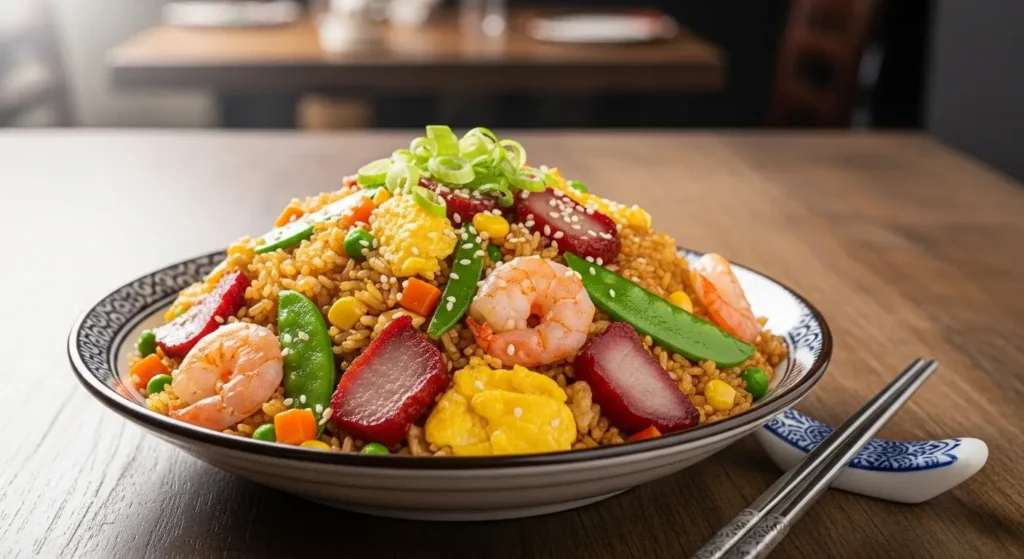
Step-by-Step Preparation Guide
Cooking fried rice is fast-paced, but don’t worry—it’s simple once you know the basics. Here’s a beginner-friendly guide:
Step 1: Prepare the Ingredients
- Cook rice ahead of time (ideally the day before) and refrigerate it.
- Dice vegetables and cut protein into bite-sized pieces.
- Beat the eggs in a bowl if using.
- Keep sauces and seasonings ready, as the cooking process moves quickly.
Step 2: Heat the Wok or Pan
- Use a wok for best results, as its shape allows high heat and quick cooking.
- Heat a tablespoon or two of oil until it shimmers.
Step 3: Cook the Protein
- Add chicken, shrimp, pork, or tofu to the hot wok.
- Stir-fry until just cooked through. Remove and set aside.
Step 4: Scramble the Eggs
- Add a little more oil.
- Pour in beaten eggs and scramble until just set.
- Push to one side or remove from the wok.
Step 5: Stir-Fry the Vegetables
- Toss in garlic, ginger, and onions first until fragrant.
- Add harder vegetables like carrots or beans, followed by softer ones like peas or sprouts.
Step 6: Add the Rice
- Break up clumps of cold rice with your hands before adding.
- Spread rice across the wok, pressing it down to lightly toast.
Step 7: Season and Combine
- Add soy sauce, oyster sauce, or fish sauce.
- Return the cooked protein and eggs to the wok.
- Stir everything together, ensuring the rice is evenly coated.
Step 8: Finish and Garnish
- Taste and adjust with extra sauce, salt, or pepper.
- Garnish with fresh scallions or sesame seeds.
Your fried rice is ready to serve—hot, fragrant, and satisfying!
Health Benefits of Fried Rice
Fried rice often gets labeled as indulgent takeout food, but when prepared thoughtfully, it can actually be nutritious and well-balanced. Here’s why:
1. A Source of Energy
Rice is rich in carbohydrates, the body’s main energy source. It fuels daily activities and helps maintain stamina.
2. High in Protein (with Eggs or Meat)
Adding chicken, shrimp, beef, tofu, or eggs transforms fried rice into a protein-packed meal that supports muscle growth and repair.
3. Rich in Vitamins and Minerals
Vegetables bring in a variety of nutrients like:
- Vitamin A (from carrots)
- Vitamin C (from bell peppers)
- Fiber (from cabbage or peas)
4. Customizable for Diets
- For weight management: Use brown rice or cauliflower rice.
- For vegetarians/vegans: Skip the meat and use tofu or more veggies.
- For low sodium diets: Reduce soy sauce and season with herbs.
5. Portion Control and Balance
Unlike heavy fast foods, homemade fried rice lets you control ingredients, oil, and portion sizes—making it both delicious and nourishing.
Conclusion
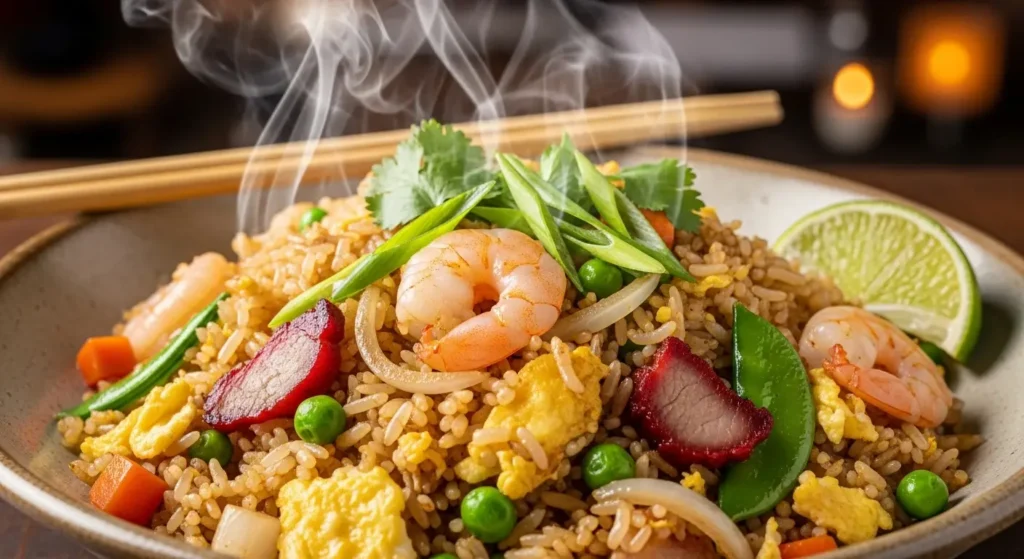
Fried rice (炒饭) is more than just a quick stir-fry—it’s a story of tradition, creativity, and comfort. From its humble beginnings in China to its countless global variations, fried rice has become a dish that unites cultures while celebrating individuality.
Making it at home allows you to control the flavors, customize ingredients, and enjoy a balanced meal in just minutes. So the next time you have leftover rice, don’t let it go to waste—turn it into a steaming bowl of fried rice that warms both the stomach and the heart.
And speaking of kitchen adventures, why stop there? If you’re curious about exploring another rewarding cooking journey, consider trying your hand at sourdough baking. Just like fried rice, it combines tradition with creativity—and the results are always worth it.