
Table of Contents
Saag Paneer – Spinach and Paneer Curry, Mild Yet Flavorful
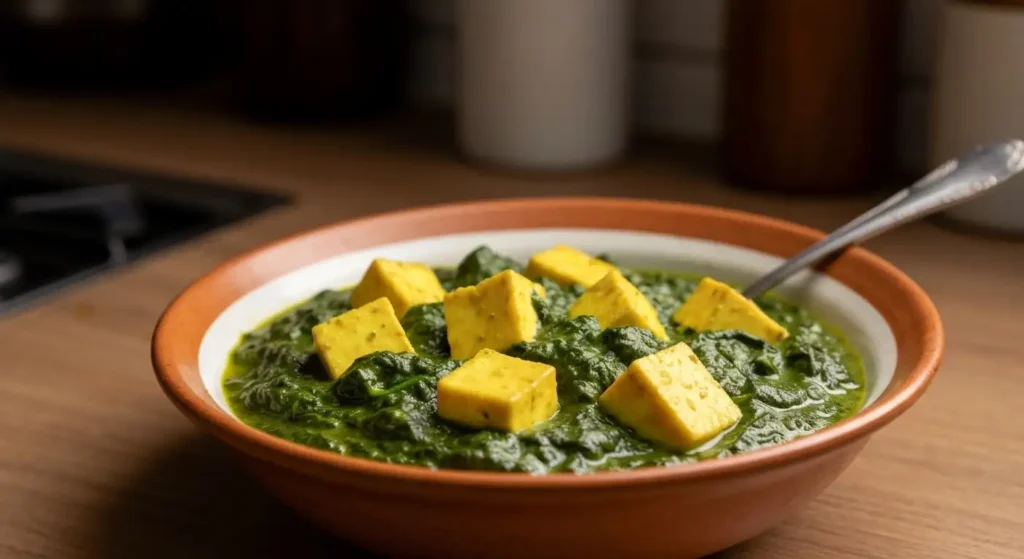
When it comes to Indian comfort food, Saag Paneer stands tall as one of the most wholesome and beloved vegetarian dishes. Combining the earthy goodness of spinach (saag) with the creamy richness of paneer (Indian cottage cheese), this curry is mild, nourishing, and satisfying. It’s a staple across North India, especially during winter when leafy greens are abundant.
In this blog, we’ll explore the history of Saag Paneer, dive into its key ingredients, share a step-by-step recipe that beginners can follow, and highlight its health benefits. By the end, you’ll not only know how to make this delicious dish but also understand why it’s considered such a nutritious, well-rounded meal.

History of Saag Paneer
The origins of saag-based curries go back centuries in North India, particularly in the fertile regions of Punjab and Haryana. The term saag in Punjabi broadly refers to leafy greens—not just spinach, but also mustard greens, fenugreek leaves, and even bathua (chenopodium).
- Traditional Punjabi Cuisine: Saag has always been central to Punjabi households, especially during the winter harvest season. Dishes like Sarson da Saag (mustard greens curry) are cultural icons often paired with makki di roti (cornflat bread).
- Paneer Addition: Paneer, with its creamy and mildly tangy flavor, found its way into saag curries to balance the earthy bitterness of greens. This pairing became popular in restaurants and urban homes, eventually evolving into Saag Paneer, a dish that celebrates both flavor and nutrition.
- Global Popularity: Today, Saag Paneer has become a menu favorite in Indian restaurants worldwide. Known for being mildly spiced yet deeply flavorful, it appeals to both vegetarians and those new to Indian food.
Ingredients for Saag Paneer
Making Saag Paneer doesn’t require exotic ingredients. Most are pantry staples, and leafy greens are easy to find year-round. Here’s what you’ll need:
Main Ingredients
- 400 g fresh spinach leaves (washed and chopped)
- 200 g paneer (cubed)
- 1 large onion (finely chopped)
- 2 medium tomatoes (pureed or finely chopped)
- 2–3 green chilies (adjust to taste)
- 2 tablespoons ginger-garlic paste
- 3 tablespoons oil or ghee
- Salt, to taste
Spices
- 1 teaspoon cumin seeds
- 1 teaspoon turmeric powder
- 1 teaspoon red chili powder
- 1 teaspoon garam masala
- 1 teaspoon coriander powder
- ½ teaspoon cumin powder
Optional Additions
- 2 tablespoons fresh cream (for richness)
- A pinch of kasuri methi (dried fenugreek leaves)
- 1 tablespoon butter (for finishing)
Step-by-Step Preparation of Saag Paneer
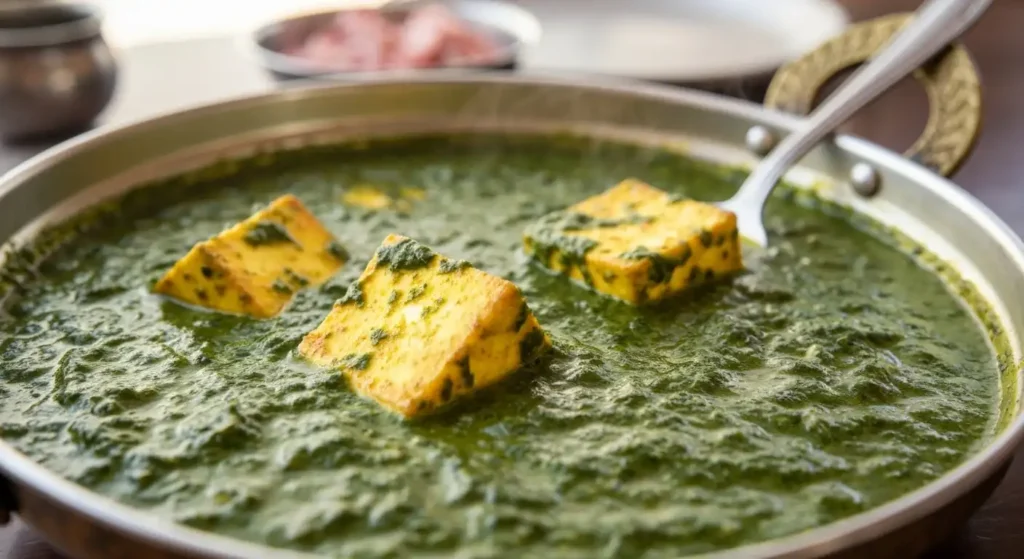
Here’s a simple and approachable recipe for Saag Paneer that you can try at home, even if you’re new to Indian cooking.
Step 1: Prepare the Spinach
- Wash spinach thoroughly in running water to remove dirt.
- Blanch the spinach by boiling it in water for 2–3 minutes.
- Drain and immediately transfer to a bowl of ice water to preserve the green color.
- Blend the spinach into a smooth or slightly coarse puree, depending on your preference.
Step 2: Cook the Paneer
- Cut paneer into cubes.
- Lightly fry the cubes in a teaspoon of oil until golden on the sides. (Optional: Soak fried cubes in warm water for 5 minutes to keep them soft.)
- Set aside.
Step 3: Make the Masala Base
- Heat oil or ghee in a pan.
- Add cumin seeds and let them splutter.
- Add onions and sauté until golden brown.
- Stir in ginger-garlic paste and green chilies; cook for a minute.
- Add tomatoes, turmeric, chili powder, coriander powder, and cumin powder. Cook until the oil separates from the masala.
Step 4: Add the Spinach
- Add the spinach puree into the masala base.
- Mix well and simmer for 7–8 minutes on medium heat.
- Add salt to taste.
Step 5: Add the Paneer
- Gently stir the paneer cubes into the spinach gravy.
- Sprinkle garam masala and kasuri methi.
- Simmer for another 5 minutes to allow flavors to blend.
- Optional: Stir in fresh cream for added richness.
Step 6: Serve
Your Saag Paneer is ready! Serve hot with:
- Steamed basmati rice
- Chapati, naan, or paratha
- Or for a modern twist, pair it with sourdough bread
Health Benefits of Saag Paneer
Beyond its delicious taste, Saag Paneer is a nutrient-rich dish that offers multiple health benefits.
1. High in Protein
Paneer is an excellent source of vegetarian protein, making this dish perfect for vegetarians looking to meet daily protein requirements.
2. Packed with Vitamins and Minerals
Spinach is rich in vitamins A, C, and K, iron, calcium, magnesium, and antioxidants. These nutrients support vision, bone health, and immunity.
3. Good for Heart Health
Paneer provides healthy fats, while spinach contains fiber and potassium, which help regulate blood pressure and cholesterol.
4. Rich in Iron
Spinach is known for its iron content, which supports hemoglobin production and helps combat anemia.
5. A Balanced Meal
When paired with rice or bread, Saag Paneer provides a balanced meal of carbohydrates, protein, healthy fats, and fiber.

Tips for the Perfect Saag Paneer
- Don’t overcook spinach: Overcooking can dull the color and taste. Blanching helps preserve nutrients and freshness.
- Keep paneer soft: Soak fried paneer cubes in warm water for 5 minutes before adding to the curry.
- Balance the flavors: Spinach can be slightly earthy, so balance it with enough spices and a touch of cream if you prefer a milder taste.
- Add variety: Mix spinach with other greens like mustard leaves, fenugreek, or kale for more depth of flavor.
Variations of Saag Paneer
- Palak Paneer: A close cousin, made with just spinach and paneer, typically smoother in texture.
- Saag Aloo: A potato and spinach curry for a vegan alternative.
- Mixed Saag Curry: Combine spinach with mustard greens and fenugreek for an authentic Punjabi winter dish.
- Vegan Saag Tofu: Replace paneer with tofu and cream with coconut milk for a vegan version.
Why Saag Paneer Stands Out
Saag Paneer isn’t just another curry—it’s a dish that symbolizes health, comfort, and tradition. Unlike heavy, spice-laden gravies, it’s mild yet flavorful, making it appealing even to those new to Indian cuisine. The combination of leafy greens and paneer makes it both hearty and nourishing, suitable for everyday meals as well as festive spreads.
Conclusion
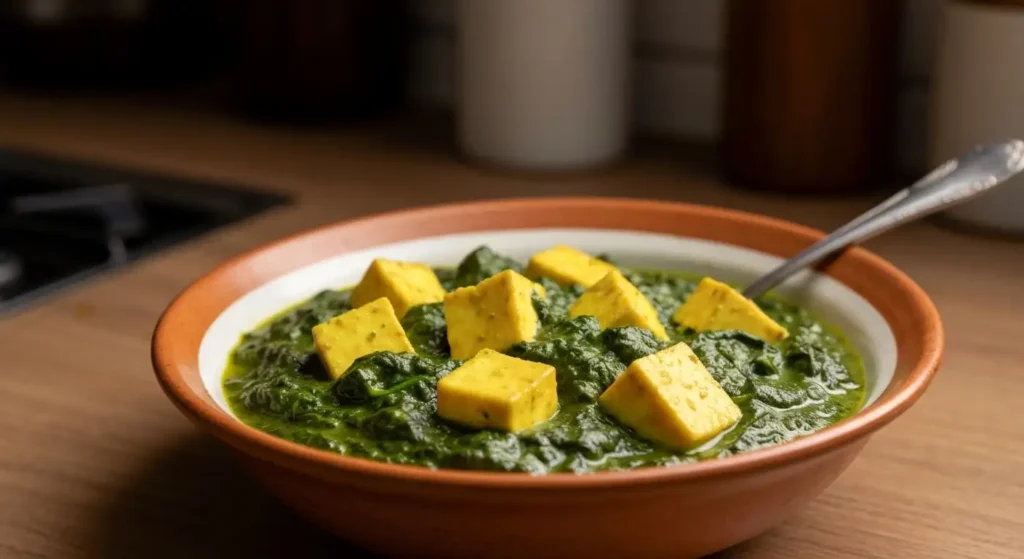
Saag Paneer is proof that healthy food doesn’t have to be bland. With its creamy spinach gravy and soft cubes of paneer, this dish brings together nutrition and indulgence in a single bowl. Whether you’re looking for a comforting weeknight dinner or a special weekend treat, Saag Paneer fits the bill.
And if you’re feeling adventurous, why not try pairing it with homemade sourdough bread? The tangy flavor of sourdough beautifully complements the mild, creamy curry. Who knows—it might even inspire you to begin your own sourdough baking journey!