
Hotpot (火锅 – Huǒguō): A Flavorful Journey into China’s Most Beloved Communal Dish
Table of Contents
Introduction
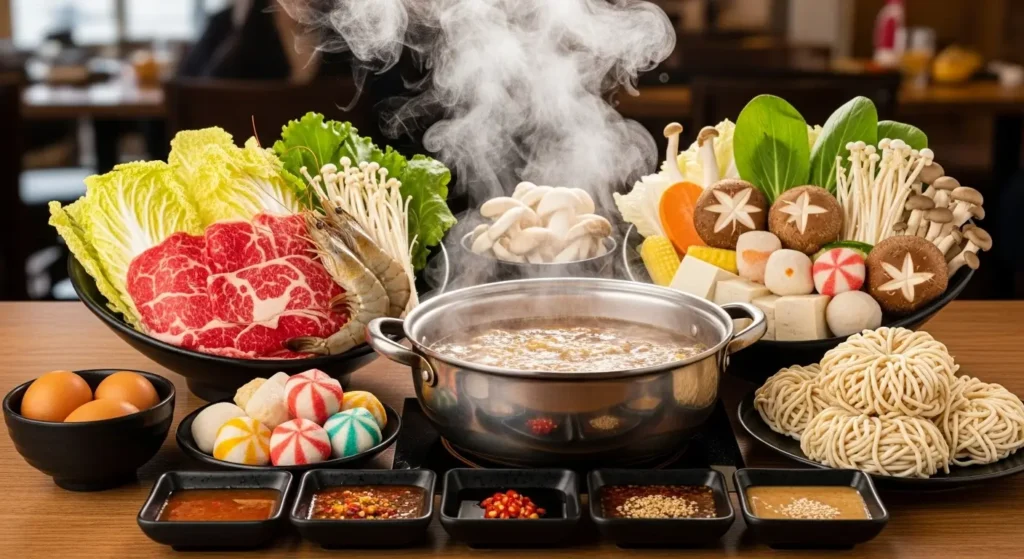
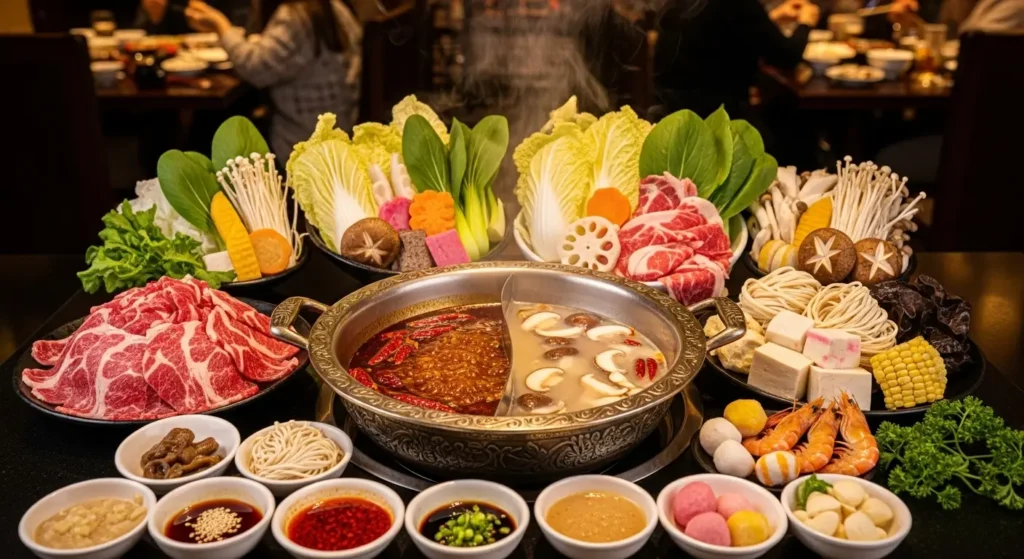
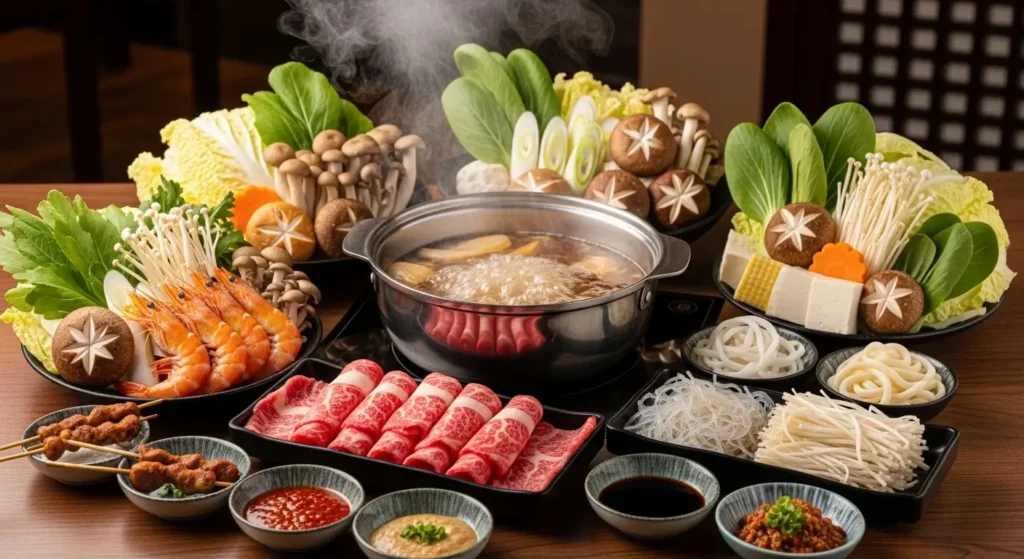
Few dishes in the world bring people together quite like Chinese hotpot (火锅 – Huǒguō). Imagine a steaming pot of bubbling broth at the center of the table, surrounded by plates of fresh vegetables, thinly sliced meats, seafood, tofu, and noodles—each waiting to be dipped, cooked, and savored. Hotpot is more than just a meal; it’s an experience, a celebration of food, family, and culture.
Whether you’re exploring traditional Sichuan spicy hotpot with its fiery chili-laden broth or enjoying a mild and nourishing mushroom soup base, hotpot offers something for every palate. In this guide, we’ll dive into the history of hotpot, essential ingredients, a step-by-step preparation method, and even its surprising health benefits.
By the end, you’ll not only understand why hotpot is beloved across Asia and beyond, but you’ll also feel ready to host your very own hotpot night at home.
A Brief History of Hotpot (火锅)
Hotpot has a history that stretches back over 1,000 years. Its roots can be traced to northern China during the Eastern Han Dynasty (25–220 AD). Originally, it was a simple way for nomadic people to cook thinly sliced meat quickly in boiling broth over open fires.
Over centuries, hotpot evolved into a culinary tradition embraced across China, with each region adding its own distinctive touch:
- Sichuan Hotpot: Famous for its numbing and spicy broth, loaded with chili peppers and Sichuan peppercorns.
- Cantonese Hotpot: Lighter, featuring fresh seafood and clear broths that highlight the natural flavors of ingredients.
- Northern Hotpot: Known for hearty broths and lamb, ideal for cold winters.
- Yunnan Hotpot: Incorporates wild mushrooms and herbs, reflecting the province’s biodiversity.
Today, hotpot is a global favorite. From bustling restaurants in Beijing and Chengdu to trendy hotpot chains in New York and London, this communal dish has become a symbol of warmth, togetherness, and cultural exchange.
Key Ingredients for Hotpot
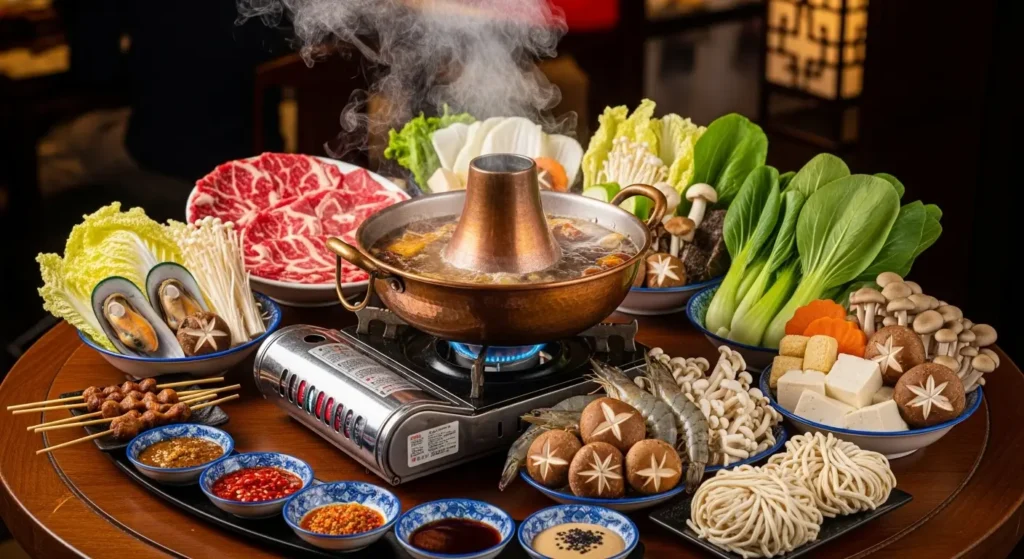
One of the joys of hotpot is its flexibility. You can customize it to your tastes, dietary needs, or the season. Here are the essentials you’ll want to prepare:
1. The Broth (Soup Base)
The broth sets the tone of your hotpot. Popular options include:
- Spicy Sichuan broth (with chilies, peppercorns, garlic, and spices)
- Mushroom broth (light, umami-rich, and vegetarian-friendly)
- Tomato broth (tangy, comforting, and kid-friendly)
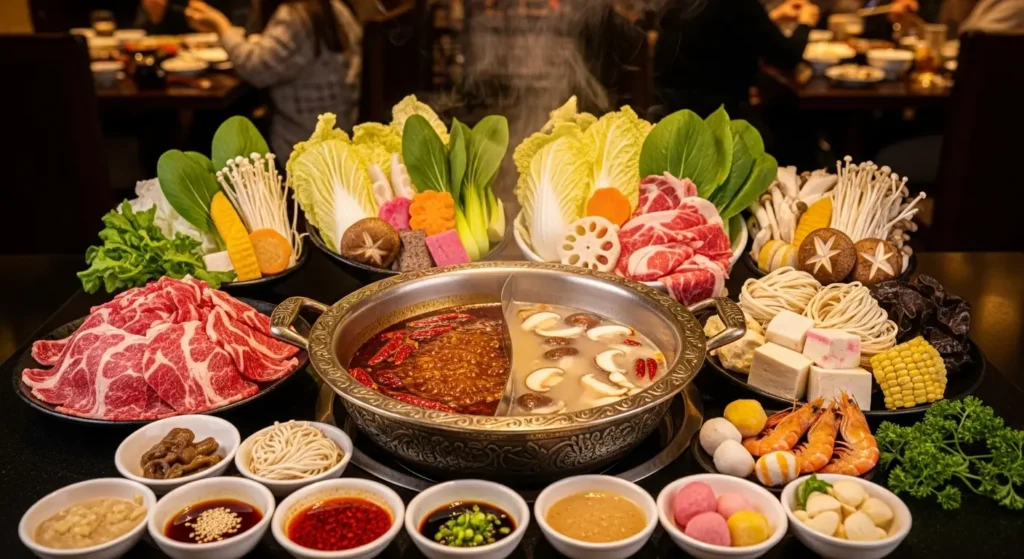
- Double-flavor (鸳鸯 – Yuānyāng) hotpot with both spicy and mild sides
2. Proteins
- Thinly sliced beef, lamb, or pork
- Fresh shrimp, squid, clams, or fish fillets
- Meatballs (beef, fish, or chicken)
- Tofu varieties (silken, firm, or fried)
3. Vegetables
- Leafy greens (bok choy, spinach, napa cabbage)
- Mushrooms (enoki, shiitake, oyster, wood ear)
- Root vegetables (lotus root, potatoes, taro)
4. Noodles and Carbs
- Fresh wheat noodles
- Glass noodles (mung bean or sweet potato starch)
- Rice cakes or dumplings
5. Dipping Sauces
Perhaps the most fun part of hotpot: mixing your own sauces!
- Sesame paste or peanut sauce
- Soy sauce with garlic and scallions
- Chili oil for spice lovers
- Fresh herbs like cilantro for balance
Step-by-Step Guide to Preparing Hotpot at Home
Step 1: Choose Your Equipment
You’ll need a portable burner (gas or electric) and a divided hotpot (if you want two flavors of broth). These are widely available online or at Asian supermarkets.
Step 2: Prepare the Broth
- Start with a store-bought soup base or make your own by simmering aromatics like ginger, garlic, scallions, and spices.
- For Sichuan hotpot, add dried chilies, fermented bean paste, and Sichuan peppercorns.
- For a lighter option, simmer mushrooms, tomatoes, or chicken bones for depth.
Step 3: Slice and Arrange Ingredients
- Slice meats thinly (freezing them slightly beforehand helps).
- Wash and cut vegetables into bite-sized pieces.
- Place everything neatly on serving platters for easy access during cooking.
Step 4: Prepare Dipping Sauces
- Offer guests a variety of sauces and condiments so they can personalize their flavor.
- Provide small bowls for mixing.
Step 5: Gather Around and Cook
- Bring the broth to a boil, then reduce to a simmer.
- Each guest places ingredients into the pot, waits for them to cook, and dips them in their chosen sauce.
- Enjoy slowly—hotpot is as much about conversation and sharing as it is about eating.
Health Benefits of Hotpot
While hotpot is undeniably indulgent, it also offers several health benefits—especially if you make smart ingredient choices.
1. Balanced Nutrition
Hotpot allows you to combine proteins, vegetables, and carbohydrates in one meal. This creates a balanced plate with essential nutrients.
2. Customizable for Dietary Needs
Vegetarians, vegans, and meat-lovers can all enjoy hotpot by choosing suitable broths and ingredients. Gluten-free noodles or low-carb options are also easy to include.
3. Portion Control
Since you cook and eat food gradually, hotpot naturally encourages mindful eating. This slows down the meal, allowing your body to register fullness.
4. Immune-Boosting Ingredients
Many hotpot broths use ingredients like ginger, garlic, mushrooms, and chili peppers, which have immune-supporting and anti-inflammatory properties.
5. Social and Mental Health Benefits
Beyond physical health, sharing hotpot strengthens social bonds. Gathering with friends and family reduces stress, promotes joy, and creates lasting memories.
Conclusion
Hotpot (火锅 – Huǒguō) isn’t just food—it’s an experience that combines culture, flavor, and community. With its rich history, endless ingredient possibilities, and balance of nutrition, hotpot has rightfully earned its place as one of the most beloved dishes worldwide.
So why not host your own hotpot night? Gather your favorite ingredients, set up a bubbling pot of broth, and invite loved ones to share in the fun.
And while you’re in the spirit of culinary exploration, consider trying another hands-on, communal food project: sourdough baking. Much like hotpot, sourdough brings people together, teaches patience, and rewards you with something delicious.
Start your hotpot adventure today—you’ll discover that it’s not just about the food, but the connections you create around the table.