
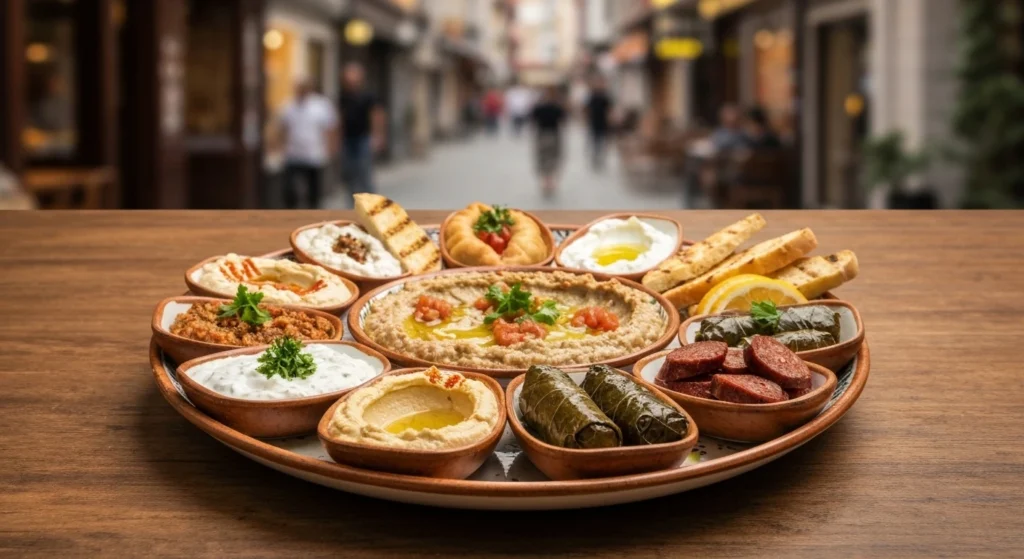
Meze: A Flavorful Journey Through Tradition, Taste, and Togetherness
Table of Contents
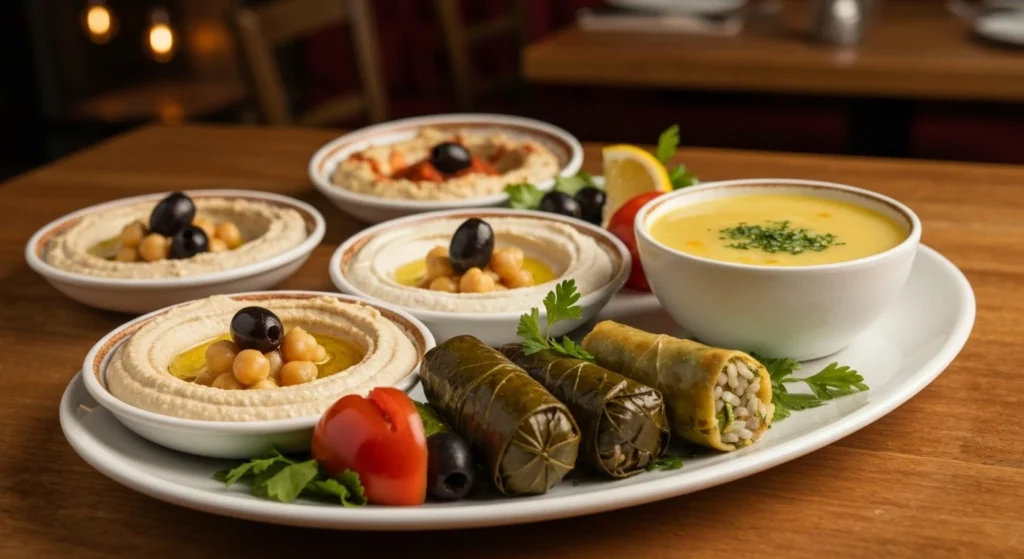
Introduction
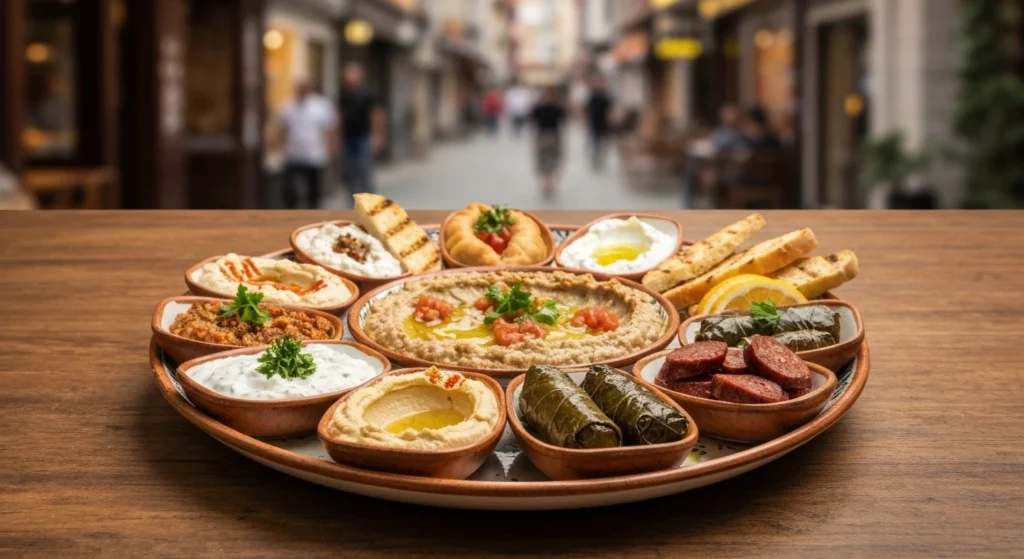
Food has always been more than just sustenance—it’s about connection, culture, and experience. In the Mediterranean and Middle Eastern world, Meze (also spelled mezze or maza) perfectly embodies this philosophy. Rather than being a single dish, meze is a collection of small plates—a colorful spread of flavors meant for sharing, conversation, and enjoyment.

From creamy hummus and smoky baba ghanoush to grilled meats, fresh salads, and stuffed vegetables, meze offers something for everyone. It’s not just about eating; it’s about savoring the moment. Whether you’re in Greece, Turkey, Lebanon, or Cyprus, meze brings people together at the table in a warm, inviting way.
In this article, we’ll explore the history of meze, break down its key ingredients, walk through a step-by-step guide to creating your own meze spread at home, and discuss its surprising health benefits. By the end, you’ll be ready to host your own meze-inspired gathering—or at least crave one!
History of Meze
The origins of meze are deeply rooted in the culinary traditions of the Eastern Mediterranean and Middle East.
Ancient Roots
The word “meze” comes from the Persian word mazzeh, meaning “taste” or “snack.” Over centuries, it traveled along trade routes, finding its way into Ottoman, Greek, Arabic, and Balkan cuisines. Early forms of meze were simple—olives, nuts, cheeses, and small bites served with wine or arak (an anise-flavored spirit).
Cultural Significance
Meze is less about the food itself and more about hospitality and social interaction. Traditionally, it’s a way to welcome guests, celebrate life events, or enjoy a leisurely evening with family and friends.
- In Turkey, meze accompanies raki (a traditional alcoholic beverage).
- In Greece and Cyprus, meze is served with ouzo or tsipouro.
- In Lebanon and the Levant, meze is a staple at large gatherings, often spanning 20–30 small dishes.
A Culinary Journey
Over time, meze evolved to include both cold and hot dishes, vegetarian and meat-based options, and regional variations:
- Greek Meze: Tzatziki, dolmades (stuffed grape leaves), grilled octopus.
- Turkish Meze: Ezme (spicy tomato dip), haydari (yogurt dip), köfte (meatballs).
- Middle Eastern Meze: Hummus, falafel, tabbouleh, baba ghanoush.
No matter the region, the essence of meze remains the same: sharing, variety, and enjoyment.
Ingredients in Meze
A meze spread is all about balance—combining flavors, textures, and colors. While specific dishes vary by region, here are some common categories of meze ingredients:
1. Dips & Spreads
- Hummus – creamy chickpea and tahini dip.
- Baba Ghanoush – smoky roasted eggplant puree.
- Tzatziki – yogurt, cucumber, and garlic dip.
- Muhammara – spicy roasted red pepper and walnut spread.
2. Vegetables & Salads
- Tabbouleh – parsley, bulgur, tomato, and lemon salad.
- Fattoush – fresh vegetable salad with crispy pita bread.
- Stuffed grape leaves (dolma) – filled with rice, herbs, or minced meat.
- Grilled or roasted vegetables such as peppers, zucchini, and eggplant.
3. Proteins
- Falafel – deep-fried chickpea fritters.
- Kebabs – skewered grilled meats or seafood.
- Köfte – spiced meatballs.
- Seafood – grilled octopus, calamari, or sardines.
4. Cheeses & Breads
- Feta, halloumi, or labneh (strained yogurt).
- Freshly baked pita, flatbreads, or lavash.
5. Extras
- Olives, nuts, and pickles for added texture.
- Dried fruits like figs or dates for a touch of sweetness.
By combining these elements, you can create a meze table that’s both visually stunning and packed with flavor.
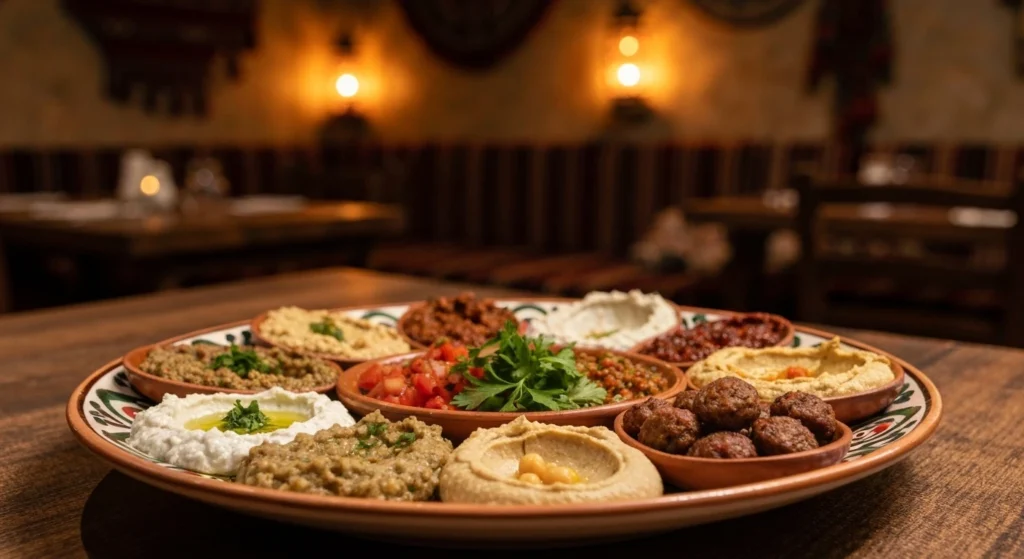
Step-by-Step Preparation of a Meze Spread
Creating meze at home may seem overwhelming, but it’s actually quite manageable when broken down into steps. The key is variety, balance, and presentation.
Step 1: Plan Your Menu
Decide whether you want a vegetarian meze spread or a mix of vegetarian and meat-based dishes. A good balance might include:
- 2–3 dips
- 2 salads
- 1–2 protein-based dishes
- 1 bread or pastry
- Extras like olives, nuts, or cheese
Step 2: Prepare Dips and Spreads
Start with dips since they can be made ahead of time.
Simple Hummus Recipe:
- 2 cups cooked chickpeas
- 3 tbsp tahini
- 2 tbsp olive oil
- Juice of 1 lemon
- 1 clove garlic
- Salt to taste
Blend until smooth and creamy. Garnish with olive oil and paprika.
Smoky Baba Ghanoush:
- Roast 2 large eggplants until charred.
- Scoop out flesh and mash with 2 tbsp tahini, 2 tbsp olive oil, lemon juice, garlic, and salt.
Step 3: Add Fresh Salads
Prepare tabbouleh, fattoush, or a cucumber-tomato salad. These add freshness and balance out the heavier dips and proteins.
Step 4: Cook Proteins
Choose between falafel, kebabs, or grilled seafood. For falafel:
- Blend chickpeas, parsley, garlic, cumin, coriander, and onion.
- Shape into balls and fry until golden.
For kebabs, marinate your protein in olive oil, lemon, and spices, then grill until tender.
Step 5: Include Cheeses and Breads
Slice feta or grill halloumi for a savory touch. Warm pita or flatbreads in the oven just before serving.
Step 6: Assemble and Serve
Arrange dishes on a large table or platter. Use small bowls and plates for dips and spreads, and garnish with herbs, olive oil, and colorful vegetables. Presentation is key—the spread should look inviting and communal.
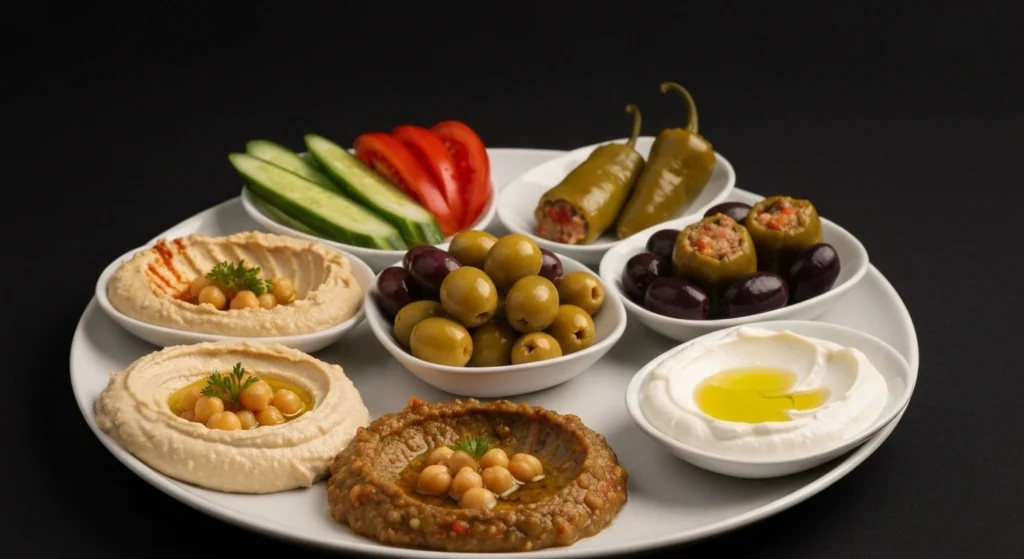
Health Benefits of Meze
One of the most beautiful aspects of meze is that it’s not just delicious—it can also be incredibly healthy. Rooted in the Mediterranean diet, meze emphasizes fresh produce, lean proteins, healthy fats, and plant-based foods.
1. Rich in Nutrients
Dishes like hummus, baba ghanoush, and tabbouleh are packed with vitamins, minerals, fiber, and antioxidants.
2. Heart-Healthy
Olive oil, nuts, and fatty fish used in meze provide healthy fats that support cardiovascular health.
3. Plant-Based Variety
Meze often includes vegetarian-friendly dishes like falafel, salads, and roasted vegetables, making it easy to incorporate more plant-based foods into your diet.
4. Balanced Portions
Because meze is served in small plates, it encourages mindful eating. Instead of one heavy dish, you enjoy multiple lighter options in moderation.
5. Supports Social Well-Being
Sharing food enhances emotional health by fostering connection, conversation, and relaxation—something often overlooked in modern fast-paced lifestyles.
Conclusion
Meze is more than food—it’s an experience. It’s about sitting down with friends and family, sharing flavors, and appreciating the joy of variety. Whether you’re enjoying a simple spread of hummus and pita or an elaborate table of salads, dips, and grilled meats, meze embodies hospitality and connection.
Now that you know its history, ingredients, preparation, and health benefits, why not create your own meze spread at home? Start with a few easy dishes like hummus, tabbouleh, and grilled halloumi, then expand to more adventurous recipes.
Just like sourdough baking, preparing meze at home is not only rewarding but also a fun, creative way to connect with tradition. So gather your loved ones, prepare a colorful spread, and enjoy the spirit of meze at your own table.