
Kebabs: A Flavorful Journey Through History, Ingredients, and Health Benefits
Table of Contents

Introduction
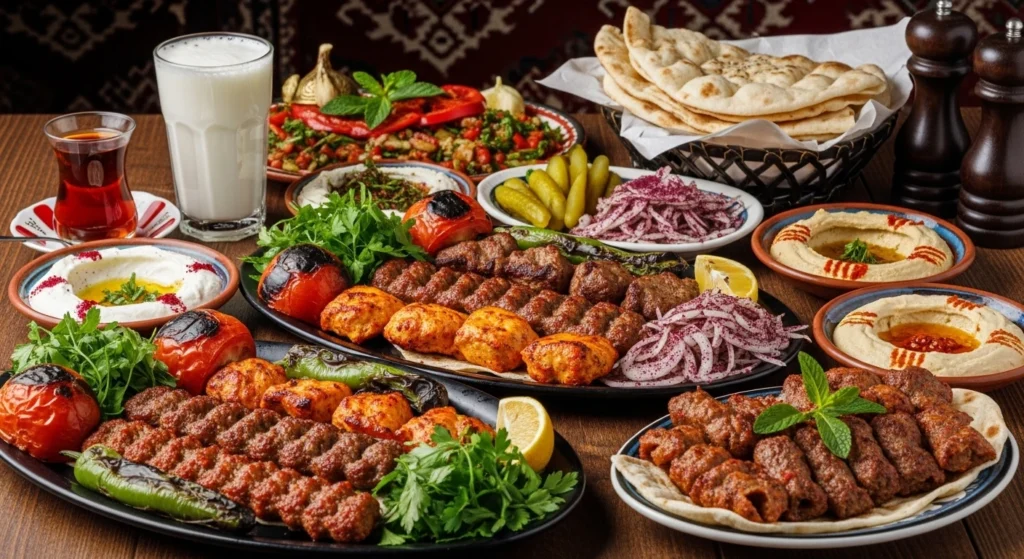
Few dishes in the world can boast the universal love that kebabs enjoy. From smoky skewers at bustling street stalls to elegant platters served in fine-dining restaurants, kebabs hold a special place in global cuisine. Their irresistible combination of tender meat (or vegetables), aromatic spices, and charred perfection makes them an all-time favorite.
But kebabs are more than just food—they are a story of migration, tradition, and culinary evolution. Whether you’re biting into a juicy shish kebab in Turkey, savoring seekh kebabs in India, or enjoying doner kebabs in the Middle East, each version reflects a blend of local culture and flavors.
In this article, we’ll take you through the fascinating history of kebabs, explore their ingredients, walk step by step through their preparation, and highlight their health benefits. By the end, you might feel inspired to fire up your grill (or even your oven) and try making kebabs at home.
History of Kebabs
The origin of kebabs can be traced back over a thousand years, with roots believed to lie in the Middle East and Central Asia. The word “kebab” itself comes from the Persian word kabāb, meaning “to fry” or “to grill.”
Early Beginnings
Kebabs were initially created by soldiers and nomads who grilled meat on open fires while traveling. Skewering chunks of meat and roasting them over flames was not just convenient but also enhanced flavor with a smoky, charred finish.
Spread Across Cultures
As empires expanded and trade routes flourished, kebabs spread across the Ottoman Empire, Persia, India, and beyond. Each region adapted the dish to suit its local tastes, spices, and cooking styles.
- Turkey popularized the shish kebab—marinated cubes of lamb grilled on skewers.
- India embraced kebabs during the Mughal era, giving rise to varieties like seekh kebab and shami kebab, infused with aromatic spices.
- Middle Eastern countries developed kebabs like doner kebab and kofta kebab, which continue to inspire modern fast food like shawarma and gyros.
Global Popularity
Today, kebabs are found worldwide, from backyard BBQs in the West to street food stalls in Asia. Their versatility, adaptability, and irresistible taste make them a global culinary treasure.
Ingredients for Kebabs
The beauty of kebabs lies in their flexibility. While traditional recipes often use lamb, modern kebabs can be made with chicken, beef, fish, or even vegetarian alternatives like paneer, tofu, or mushrooms.
Core Ingredients
- Protein – lamb, chicken, beef, fish, paneer, or mixed vegetables.
- Marinade base – yogurt, olive oil, or lemon juice to tenderize and add flavor.
- Spices & herbs – cumin, coriander, paprika, turmeric, black pepper, chili powder, garlic, ginger, and fresh herbs like cilantro or mint.
- Vegetables – onions, bell peppers, tomatoes, and zucchini often accompany kebabs on skewers.
- Binding agents (for minced kebabs) – breadcrumbs, egg, or gram flour to help shape the mixture.
Popular Variations by Ingredients
- Seekh Kebab (India/Pakistan) – minced meat with spices shaped around skewers.
- Shish Kebab (Turkey) – chunks of marinated meat grilled on skewers.
- Doner Kebab (Middle East) – vertically roasted meat shaved into wraps or sandwiches.
- Vegetable Kebab – paneer, mushrooms, or assorted vegetables marinated and grilled.
Step-by-Step Preparation of Kebabs
Making kebabs at home is easier than you might think. With the right ingredients and a little patience, you can create restaurant-style flavors right in your kitchen.
Step 1: Choose Your Protein
Decide whether you want to use chicken, lamb, beef, fish, or a vegetarian option. Cut into cubes (for shish kebabs) or mince finely (for seekh/kofta kebabs).
Step 2: Prepare the Marinade
The secret to delicious kebabs lies in a well-made marinade. A basic marinade usually includes:
- Acid (yogurt, lemon juice, or vinegar) to tenderize.
- Fat (olive oil, ghee, or butter) to lock in moisture.
- Spices & herbs for flavor.
Example Marinade Recipe (for chicken kebabs):
- 500g chicken (boneless cubes)
- 1 cup plain yogurt
- 2 tbsp olive oil
- 1 tbsp lemon juice
- 1 tsp cumin powder
- 1 tsp paprika
- 1 tsp turmeric
- 1 tsp black pepper
- 1 tbsp minced garlic
- 1 tbsp grated ginger
- Salt to taste
Mix well and coat the chicken. Marinate for at least 2–4 hours (overnight for best results).
Step 3: Skewering
- Thread meat onto skewers, alternating with vegetables like onions, bell peppers, or tomatoes.
- If using wooden skewers, soak them in water for 30 minutes to prevent burning.
Step 4: Cooking Methods
Kebabs can be prepared in several ways:
- Grilling/BBQ – Traditional and smoky, ideal for outdoor cooking.
- Oven-baked – Place kebabs on a baking tray at 200°C (400°F) for 20–25 minutes.
- Stovetop/Griddle pan – Heat a cast-iron skillet or pan for indoor kebab making.
- Tandoor (clay oven) – Traditional Indian method for smoky, juicy kebabs.
Step 5: Serving
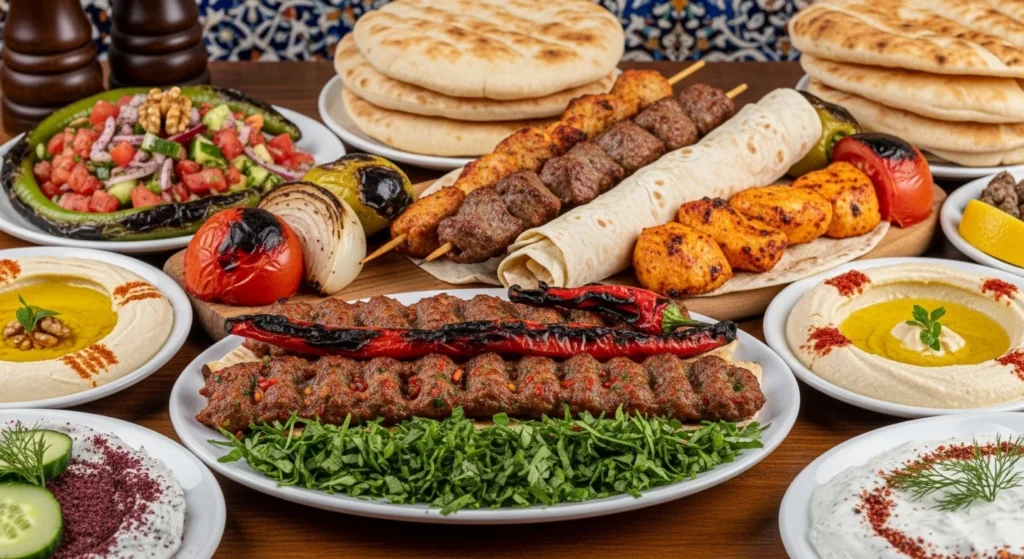
Serve hot kebabs with accompaniments like:
- Fresh salads (onion rings, cucumber, tomatoes).
- Dips and sauces (mint chutney, garlic yogurt sauce, tahini, or hummus).
- Flatbreads (naan, pita, or tortilla wraps).

Health Benefits of Kebabs
Kebabs are not just delicious—they can also be part of a balanced and nutritious diet when prepared mindfully.
1. High in Protein
Kebabs made with chicken, lamb, beef, or fish are excellent sources of lean protein, essential for muscle repair, energy, and satiety.
2. Nutrient-Rich
When combined with vegetables, kebabs offer a good mix of vitamins, minerals, and antioxidants.
3. Lower in Carbs
Unlike many fried or heavy dishes, grilled kebabs are typically low in carbohydrates, making them suitable for low-carb or keto diets.
4. Healthy Fats
Using olive oil, yogurt, or avocado-based marinades adds heart-healthy fats that aid in nutrient absorption.
5. Customizable for Diets
Vegetarian kebabs made with paneer, mushrooms, or tofu can be a great option for those avoiding meat. Similarly, gluten-free versions can be prepared without breadcrumbs.
6. Portion Control
Kebabs are usually served in small portions on skewers, making it easier to control serving sizes and avoid overeating.
Conclusion
Kebabs are more than just skewered meat—they are a culinary bridge across cultures, carrying centuries of tradition, flavor, and innovation. From the smoky streets of Istanbul to Indian royal kitchens and bustling Middle Eastern markets, kebabs have traveled the world, evolving into countless variations while keeping their essence intact.
Now that you know their history, ingredients, and preparation methods, why not try making them at home? Start simple with chicken or vegetable kebabs, experiment with spices, and soon you’ll be grilling like a pro.
Just like sourdough baking, preparing kebabs at home is not only rewarding but also a creative culinary adventure. So fire up your grill, gather your ingredients, and experience the joy of homemade kebabs!