
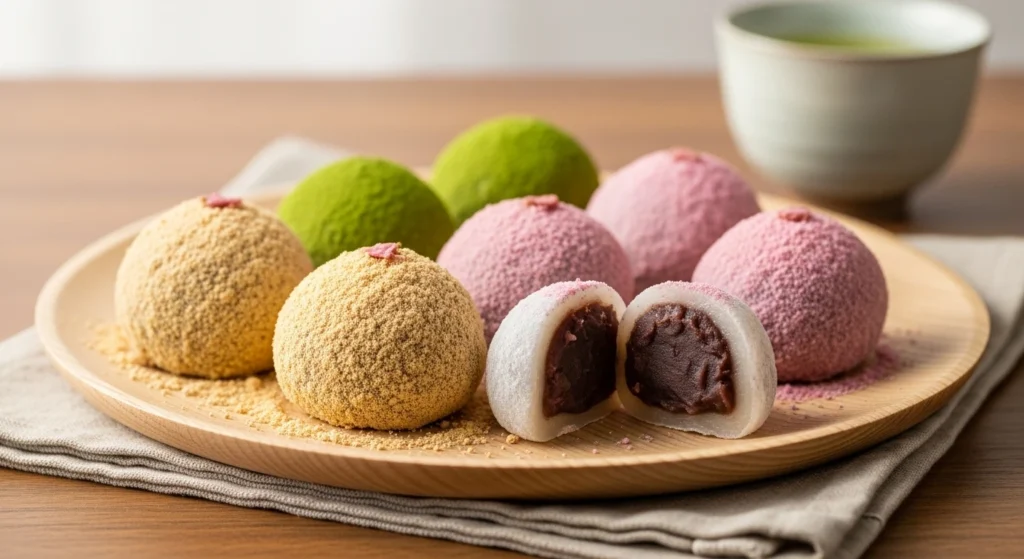
Mochi: The Sweet and Chewy Japanese Delight
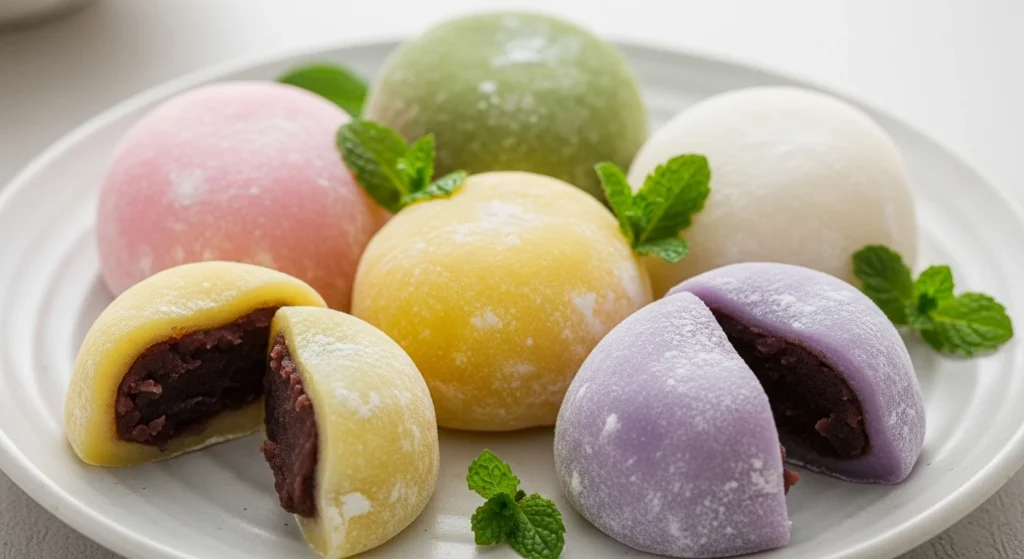
Introduction
When it comes to traditional Japanese desserts, mochi holds a very special place. Soft, chewy, and slightly sweet, this rice-based treat has fascinated food lovers across the world. Whether you’ve seen it in colorful ice cream shops, enjoyed it during Japanese festivals, or stumbled across it on social media, mochi has a unique charm that makes it both a cultural symbol and a modern-day favorite.
But what exactly is mochi? At its simplest, mochi is made from glutinous rice that is steamed, pounded, and molded into chewy cakes. Yet, behind this simple description lies centuries of history, cultural traditions, and incredible versatility. From classic plain mochi to creative variations like mochi ice cream, this little treat has something for everyone.
In this article, we’ll explore the history of mochi, break down its essential ingredients, walk you through a step-by-step preparation guide, and uncover the health benefits of this delightful Japanese dessert.
A Brief History of Mochi
Mochi isn’t just a dessert—it’s a cultural icon of Japan. Its story goes back over 1,000 years, when it was first introduced as a sacred food used in religious rituals.
Origins in Ancient Japan
The earliest records of mochi date back to the Heian period (794–1185). During this time, mochi was considered food for the gods and was offered at Shinto shrines. The Japanese believed that eating mochi brought good fortune, strength, and long life.
Mochi in Festivals and Traditions
Over time, mochi became a central part of Japanese celebrations, especially the New Year’s festival (Oshōgatsu). Families would gather to perform Mochitsuki—a traditional ceremony where steamed rice is pounded with wooden mallets in a large mortar until it becomes a sticky, elastic dough. This ritual is more than cooking; it’s a moment of community and togetherness.
Mochi also plays a role in seasonal traditions:
- Hinamatsuri (Doll Festival): Girls are celebrated with colorful mochi treats.
- Tsukimi (Moon-Viewing Festival): Mochi is shaped into balls called Tsukimi Dango as an offering to the moon.
Global Popularity
Today, mochi has transcended Japan’s borders. Its chewy texture has made it a favorite in fusion desserts, most famously mochi ice cream, which was invented in the U.S. in the 1990s. Now, you’ll find mochi in bakeries, cafes, and Asian grocery stores worldwide.
Essential Ingredients for Mochi
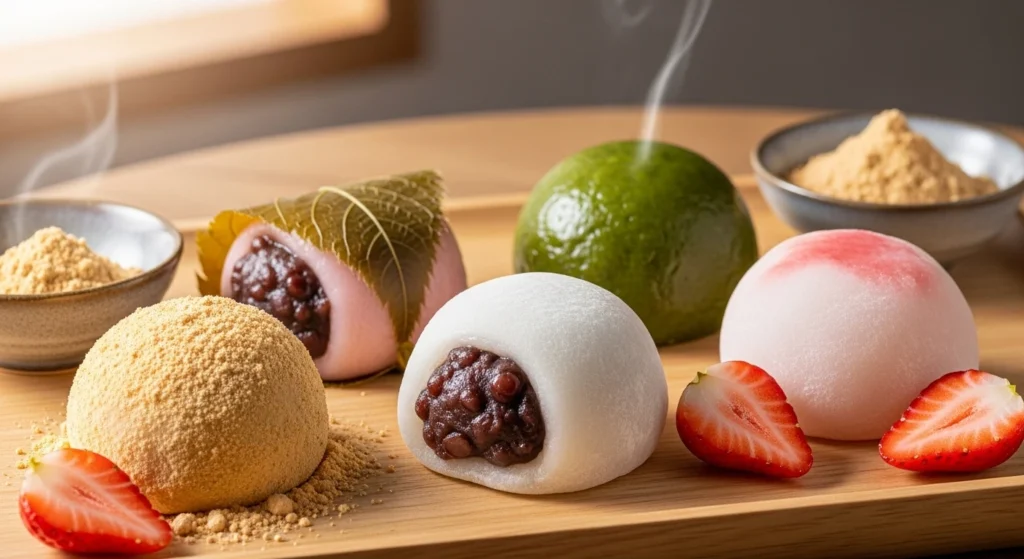
Making mochi may sound complicated, but the ingredient list is surprisingly simple. The magic lies in the technique.
Core Ingredients:
- Glutinous Rice (Mochigome)
- Short-grain sticky rice that gives mochi its signature chewy texture.
- Alternatively, you can use glutinous rice flour (Mochiko) for a quicker version.
- Sugar
- Sweetens the mochi and balances its earthy rice flavor.
- Cornstarch or Potato Starch
- Used for dusting to prevent sticking.
- Water
- Essential for steaming and mixing.
Popular Fillings:
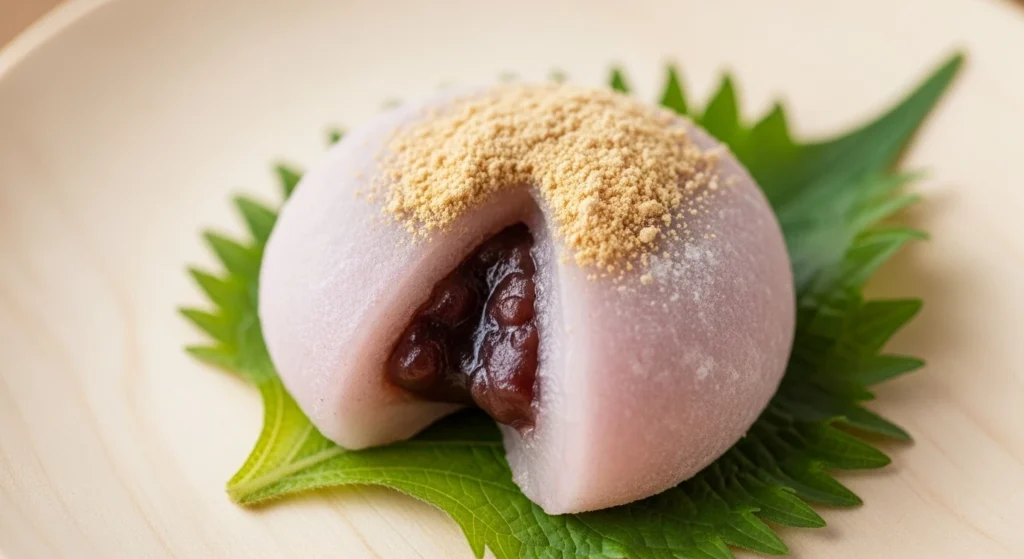
- Anko (Red Bean Paste): The classic filling, smooth and mildly sweet.
- Fresh Fruits: Strawberries or mangoes wrapped in mochi for a refreshing twist.
- Ice Cream: A modern favorite that combines East and West.
- Chocolate or Nut Butters: Creative options for those who like fusion desserts.
Step-by-Step Preparation of Mochi
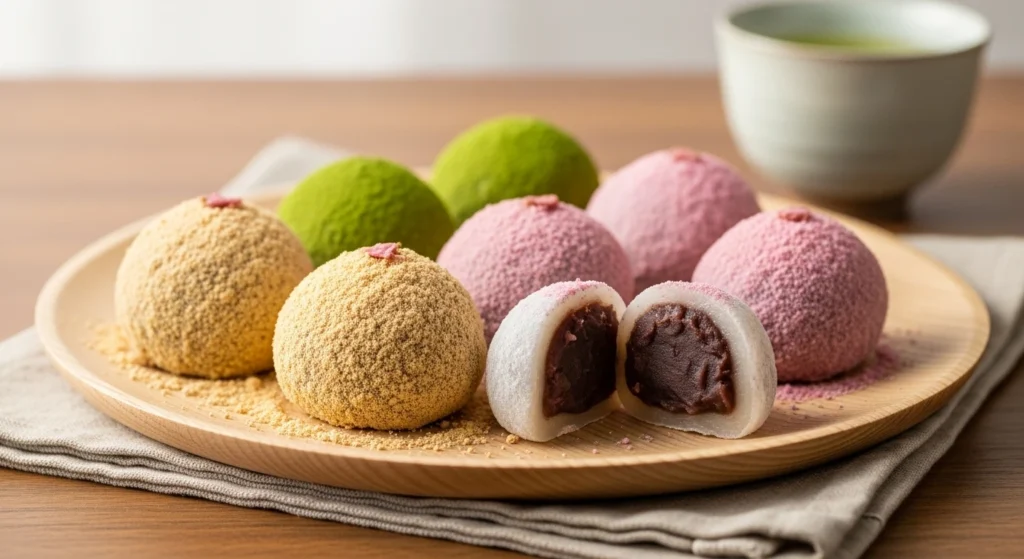
There are two main ways to make mochi at home: traditional pounding and the modern microwave or steaming method. Since most of us don’t own a giant mortar and pestle, we’ll cover the beginner-friendly version here.
Step 1: Gather Ingredients and Tools
- 1 cup glutinous rice flour (Mochiko)
- ¾ cup water
- ¼ cup sugar
- Cornstarch for dusting
- Optional fillings (red bean paste, fruit, or ice cream)
- Mixing bowl, spatula, microwave-safe dish, rolling pin, and cling wrap
Step 2: Make the Mochi Dough
- In a microwave-safe bowl, mix glutinous rice flour, sugar, and water until smooth.
- Cover with plastic wrap, leaving a small vent.
- Microwave for 1 minute, stir, then microwave again for 1–2 minutes until the dough becomes sticky and slightly translucent.
(If steaming, place the bowl in a steamer and cook for 15–20 minutes, stirring occasionally.)
Step 3: Dust and Shape
- Generously dust a clean surface with cornstarch.
- Transfer the hot mochi dough onto the surface. Be careful—it will be sticky and hot!
- Roll out the dough to about ½ inch thick.
Step 4: Add Fillings
- Cut small circles of mochi using a round cutter or knife.
- Place a spoonful of filling (like red bean paste or ice cream) in the center.
- Pinch the edges together to seal, forming a smooth ball.
Step 5: Chill and Enjoy
- Place filled mochi in the freezer or fridge for 15–20 minutes to set.
- Serve chilled or at room temperature, depending on the filling.
Health Benefits of Mochi
Mochi may be a dessert, but it offers more than just sweetness. Here are some surprising health benefits:
1. Naturally Gluten-Free
Since mochi is made from glutinous rice (which contains no gluten), it’s an excellent choice for those with gluten sensitivity or celiac disease.
2. Provides Quick Energy
The carbohydrates in mochi are easily digested, making it a good source of quick energy—no wonder it was popular among samurai in ancient Japan!
3. Rich in Minerals
Glutinous rice contains essential minerals like magnesium and phosphorus, which support bone health.
4. Low in Fat
Plain mochi is naturally low in fat, making it a lighter dessert option when compared to cakes or pastries.
5. Customizable for Healthy Fillings
Using fruit or nut butter as fillings boosts the nutritional profile with added vitamins, fiber, and healthy fats.
⚠️ A Note of Caution: Mochi is very chewy and can be difficult to swallow, especially for children and the elderly. Always cut it into small pieces and chew thoroughly to avoid choking hazards.
Conclusion: Mochi and Beyond
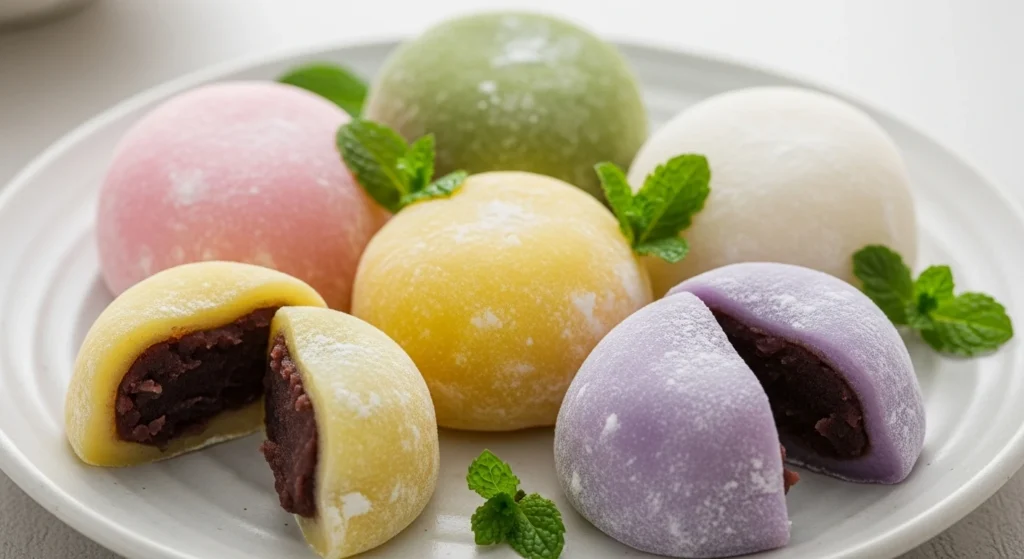
Mochi is more than just a sweet treat—it’s a symbol of Japanese culture, tradition, and culinary creativity. From its ancient ceremonial origins to its place in modern desserts, mochi continues to charm people worldwide with its soft, chewy texture and endless variations.
If you’ve never tried making mochi before, this is your chance. With just a few simple ingredients, you can recreate this iconic Japanese dessert in your own kitchen. Experiment with classic red bean paste, refreshing fruit fillings, or even ice cream for a modern twist.
And if you’re someone who loves exploring the art of cooking, why stop here? Just like mochi, sourdough bread is another tradition-rich food that’s fun to make at home. Both highlight the beauty of patience, fermentation, and hands-on preparation. So after mastering mochi, why not roll up your sleeves and give sourdough baking a try?
One thing is certain—whether it’s chewy mochi or crusty sourdough, making food with your own hands is always a rewarding experience.