
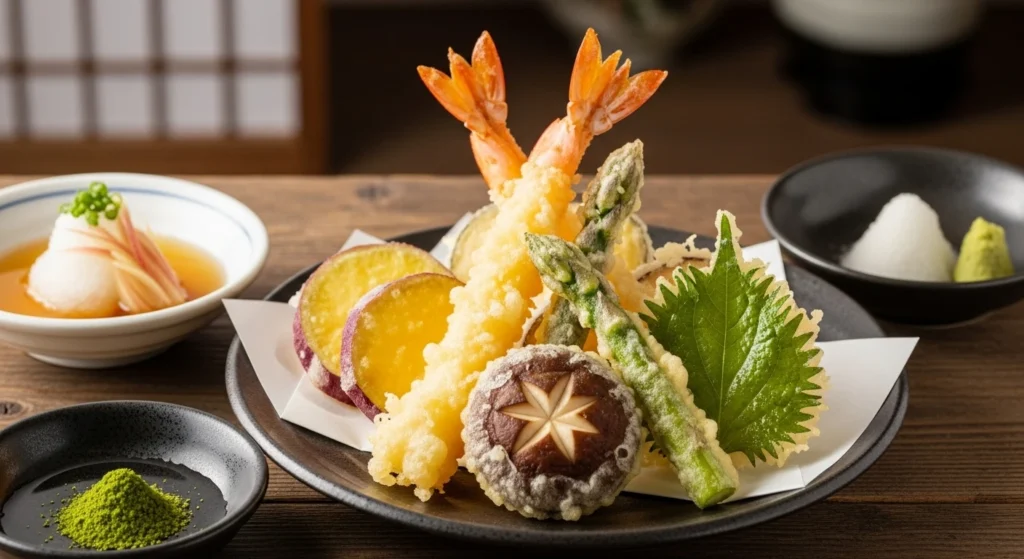
Tempura: The Crispy Japanese Delight Loved Worldwide
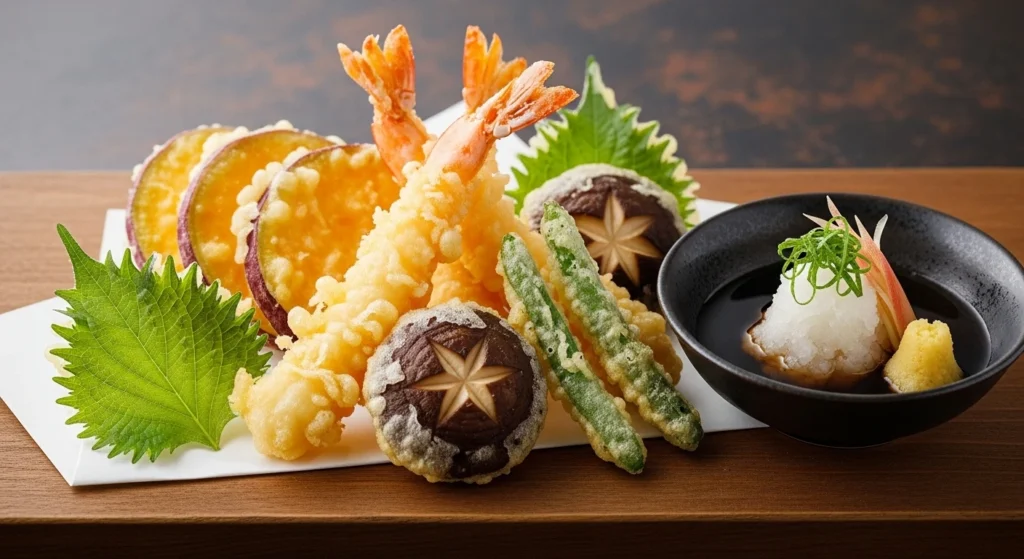
Table of Contents
Introduction
Japanese cuisine is famous for its delicate flavors, artistic presentation, and respect for ingredients. Among its many treasures, tempura stands out as a golden, crispy dish that has captured the hearts of food lovers everywhere.
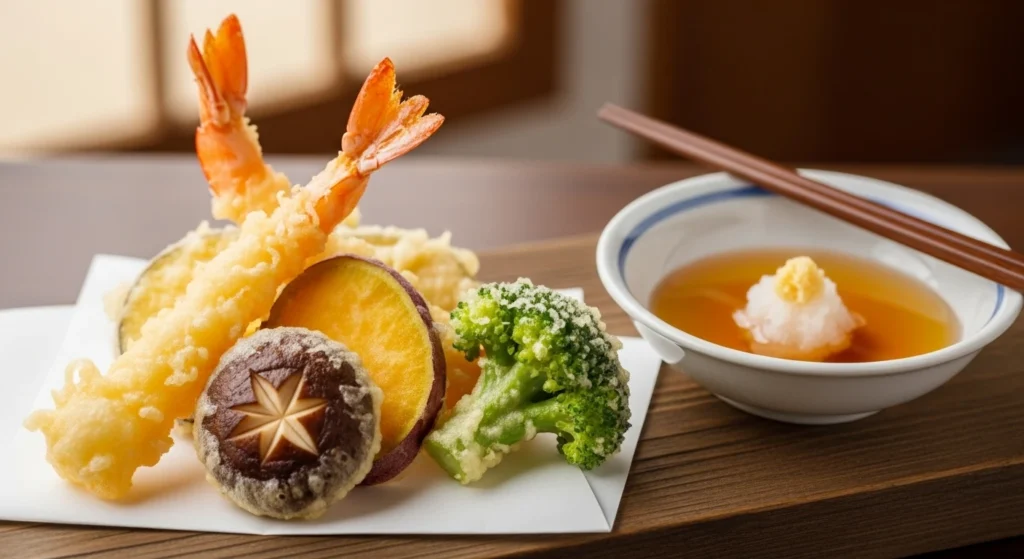
Tempura is a light, airy, and crunchy preparation of seafood or vegetables that are dipped in a simple batter and deep-fried to perfection. Unlike heavier fried foods, tempura emphasizes subtlety—thin, crisp coating on the outside and natural flavors of the ingredients on the inside.
Whether served with dipping sauce, alongside rice, or atop soba noodles, tempura is a versatile dish that brings comfort and elegance to the table. In this blog, we’ll explore its history, ingredients, step-by-step preparation, and health benefits—and show you why this Japanese classic is easier to make at home than you think.
History of Tempura
Interestingly, tempura is not originally Japanese. It was introduced in the 16th century by Portuguese missionaries and traders who arrived in Japan. The word tempura is believed to come from tempora, the Latin term for “times,” referring to days of fasting when Catholics avoided eating meat and instead consumed seafood and vegetables.
The Japanese embraced the technique, adapting it to their own ingredients and culinary philosophy. Over time, tempura evolved into a uniquely Japanese dish, lighter and crispier than the Portuguese fritters. By the Edo period (17th–19th century), tempura became a popular street food in Tokyo (then Edo), served at food stalls.
Today, tempura is enjoyed worldwide—from high-end Japanese restaurants to casual family kitchens—demonstrating how a dish with foreign roots became an integral part of Japanese identity.

Ingredients for Tempura
One of tempura’s charms is its simplicity. With just a handful of basic ingredients, you can create a dish that’s light, crisp, and flavorful.
1. Batter Ingredients
- All-purpose flour – 1 cup (sifted for lightness)
- Egg – 1 large (lightly beaten)
- Ice-cold water – 1 cup (the secret to crisp tempura)
2. Seafood Options
- Shrimp (ebi) – the most popular tempura ingredient
- White fish fillets (like cod or haddock)
- Squid rings or scallops
3. Vegetable Options
- Sweet potato slices
- Zucchini or eggplant rounds
- Mushrooms (shiitake, enoki, or button)
- Bell peppers
- Carrots (thin sticks)
- Broccoli or green beans
4. Dipping Sauce (Tentsuyu)
- Dashi stock – 1 cup
- Soy sauce – ¼ cup
- Mirin (sweet rice wine) – ¼ cup
- Optional: grated daikon radish or ginger for garnish
5. Oil for Frying
- Neutral oils like canola, sunflower, or sesame-blend oils are ideal.
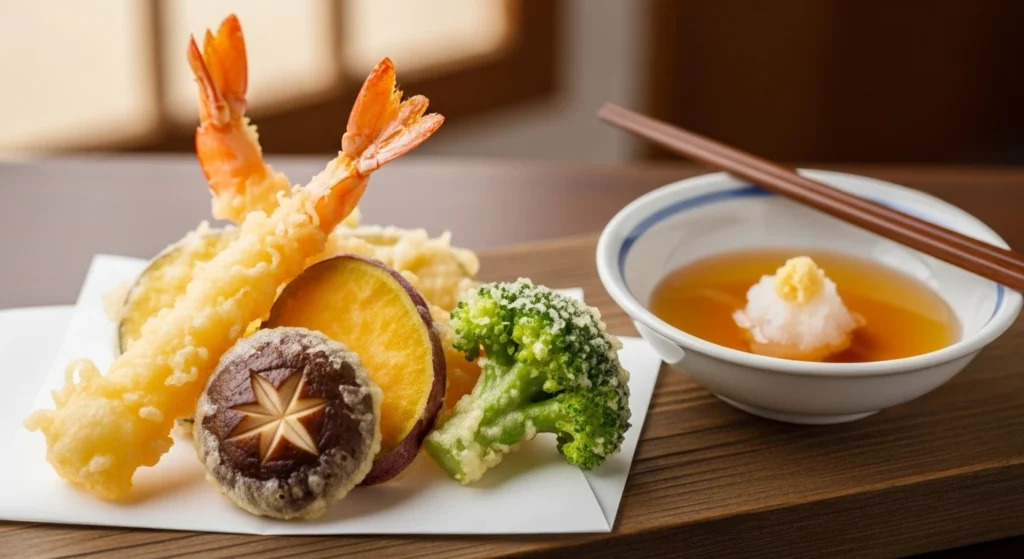
Step-by-Step Preparation of Tempura
Making tempura is less complicated than it appears, but it requires attention to detail. Here’s a beginner-friendly guide:
Step 1: Prepare the Ingredients
- Wash and pat dry vegetables and seafood thoroughly.
- Cut vegetables into uniform, bite-sized pieces to ensure even frying.
- Keep everything cold until frying—it helps with the batter sticking.
Step 2: Make the Batter
- In a bowl, lightly beat the egg.
- Add ice-cold water to the egg.
- Gradually sift in flour and mix gently with chopsticks. Do not overmix; lumps are fine. Overmixing activates gluten and makes the batter heavy.
Step 3: Heat the Oil
- Pour oil into a deep pot or wok, filling it about 2 inches deep.
- Heat to 170–180°C (340–360°F). Test by dropping a bit of batter into the oil—if it floats and sizzles immediately, the oil is ready.
Step 4: Fry the Ingredients
- Dip seafood or vegetables into the batter, shaking off excess.
- Carefully place into hot oil. Fry only a few pieces at a time to maintain oil temperature.
- Cook until light golden and crisp, about 2–3 minutes.
- Remove and drain on paper towels or a wire rack.
Step 5: Make the Dipping Sauce
- Combine dashi, soy sauce, and mirin in a small saucepan.
- Warm gently (do not boil).
- Serve with grated daikon for authentic flavor.
Step 6: Serve Immediately
- Tempura is best enjoyed fresh and hot.
- Serve with dipping sauce, rice, or noodles.
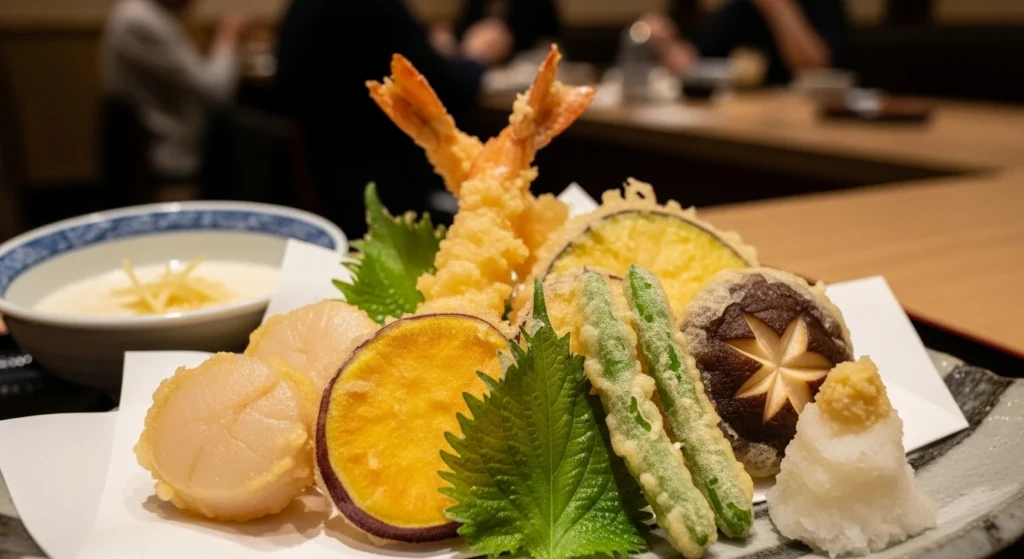
Health Benefits of Tempura
Tempura may be fried, but when prepared properly, it can be a surprisingly balanced dish.
1. Nutrient Variety
- Using a wide range of vegetables ensures intake of vitamins (A, C, K) and minerals.
- Seafood adds lean protein and omega-3 fatty acids.
2. Light Frying Method
- Unlike Western deep-frying, tempura uses a light batter and high-heat frying, which reduces oil absorption.
3. Energy Boost
- Carbohydrates from vegetables and protein from seafood make it a filling yet balanced meal.
4. Digestive Benefits
- Tentsuyu dipping sauce with daikon radish adds enzymes that aid digestion.
5. Portion Control
- Tempura is usually served in small portions, making it easier to enjoy without overindulging.
Tips for Perfect Tempura at Home
- Keep batter cold – use ice cubes if necessary.
- Don’t overmix – lumps in the batter are okay.
- Fry in small batches to maintain oil temperature.
- Drain properly – use a rack instead of stacking on paper towels to keep tempura crisp.
- Serve immediately – tempura loses its crunch if it sits too long.
Conclusion: Crisp, Light, and Irresistible
Tempura is proof that simple ingredients, when treated with care, can transform into something extraordinary. Its history reflects Japan’s ability to adapt and perfect foreign influences, turning them into culinary icons.
Crisp on the outside, tender on the inside, and endlessly versatile, tempura is a dish that never fails to impress. Whether you enjoy shrimp, sweet potato, or seasonal vegetables, tempura is an easy way to bring a taste of Japan into your home.
So why not try making tempura yourself? With a little practice, you’ll master the art of light, golden frying—and perhaps discover a new favorite dish.