
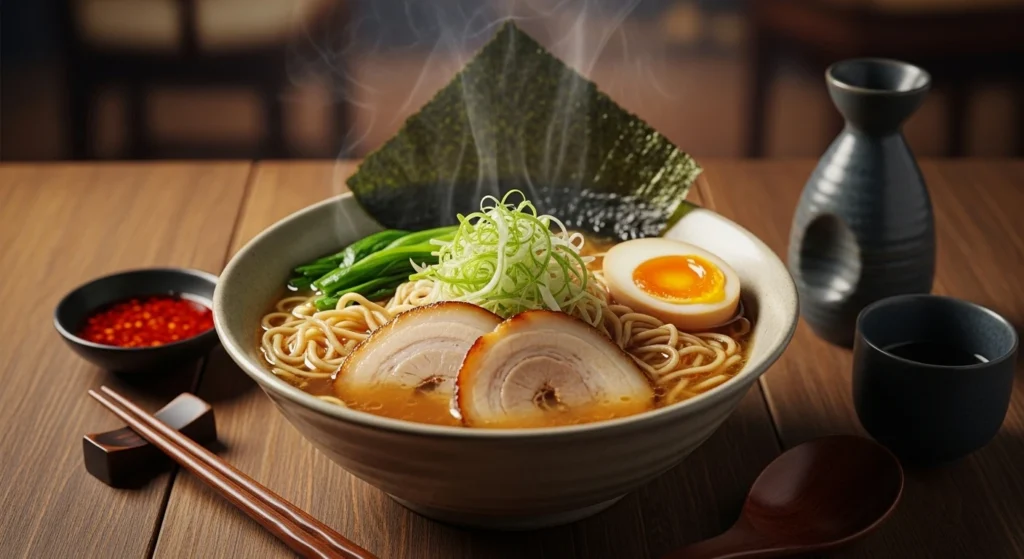
Ramen: Japan’s Iconic Comfort Bowl of Flavor
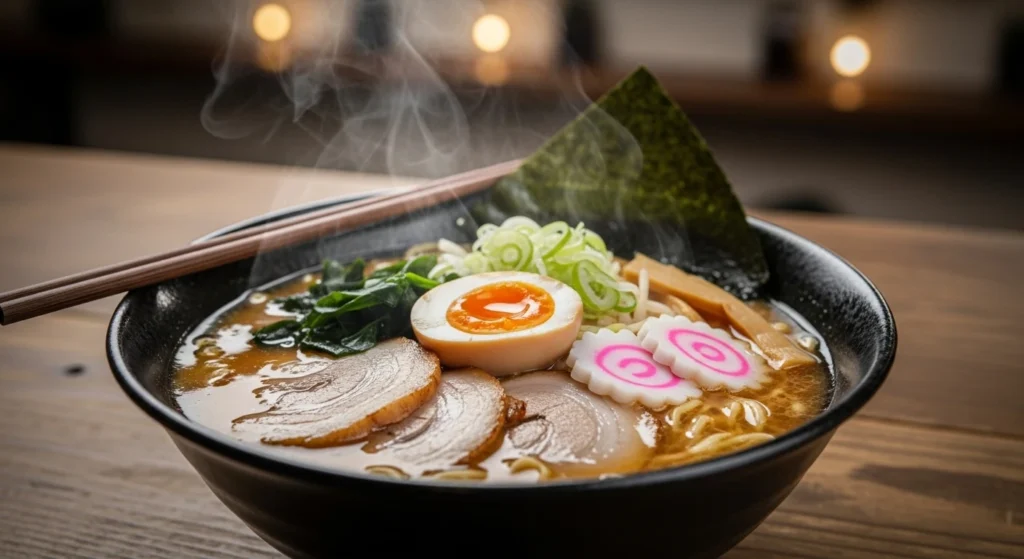
Table of Contents
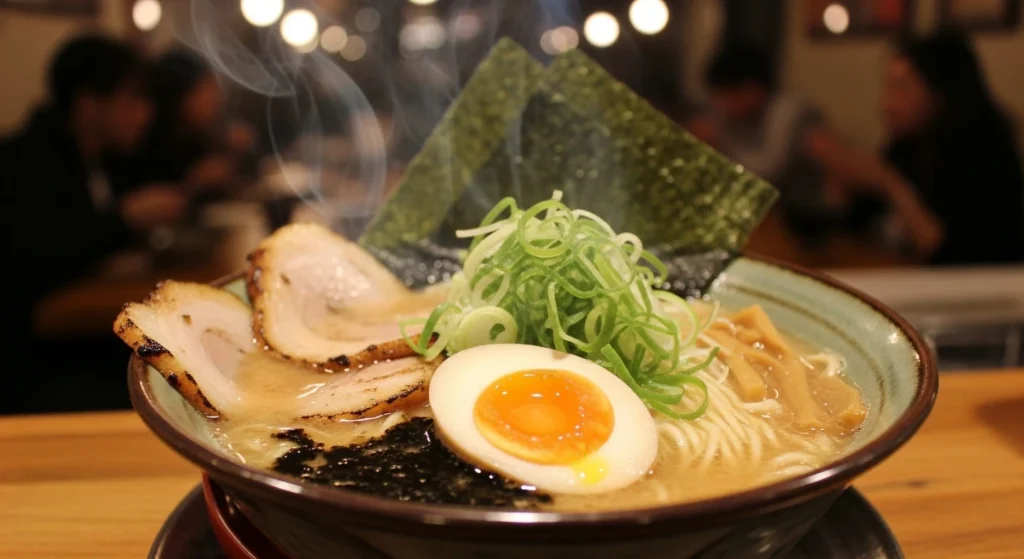
Introduction
Few dishes in the world have gained as much global popularity as ramen. This comforting Japanese noodle soup has transcended cultural boundaries, becoming a beloved meal for students, foodies, and fine-dining enthusiasts alike.
With its slurp-worthy noodles, flavorful broth, and endless topping possibilities, ramen is not just food—it’s an experience of warmth, satisfaction, and tradition. Whether enjoyed at a bustling ramen shop in Tokyo or recreated at home, each bowl tells a story of culture and culinary creativity.
In this blog, we’ll explore the history, ingredients, preparation method, and health benefits of ramen. By the end, you’ll know how to appreciate (and maybe even cook) this globally adored dish.
History of Ramen
The origins of ramen may surprise you—it is not originally Japanese. Ramen traces its roots to Chinese wheat noodles, which were introduced to Japan in the late 19th century.
By the early 20th century, ramen became widely popular in Japanese cities. After World War II, wheat imports from the United States and food stalls across Japan fueled its growth as a cheap, filling option for working-class people.
Over time, ramen evolved into countless regional variations, each with its unique broth and toppings:
- Shoyu Ramen (Soy Sauce) – Tokyo’s classic style with clear, soy-flavored broth.
- Miso Ramen – Originating from Hokkaido, featuring rich, fermented soybean paste broth.
- Shio Ramen (Salt) – Light and delicate, with clear salty broth.
- Tonkotsu Ramen – From Kyushu, known for creamy, pork-bone broth.
Today, ramen is a symbol of Japanese culinary culture, with restaurants worldwide offering both traditional recipes and modern fusion styles.
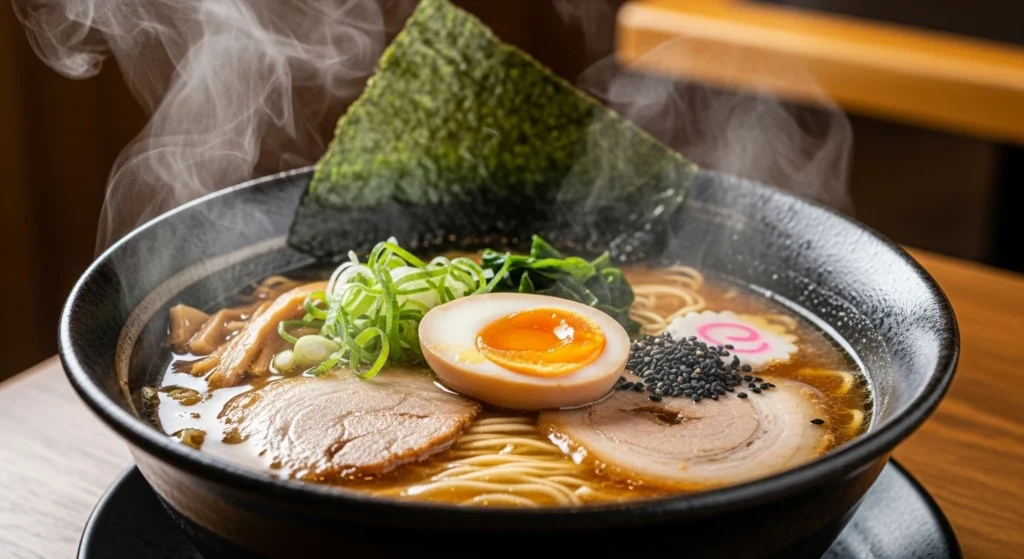
Ingredients for Ramen
Authentic ramen consists of four main components: broth, noodles, tare (seasoning base), and toppings.
1. Broth
The heart of ramen lies in its broth. Options include:
- Tonkotsu (Pork Bone Broth) – creamy, rich, simmered for hours.
- Chicken Broth – lighter but flavorful.
- Vegetable Broth – a healthier and vegan-friendly option.
- Seafood Broth – umami-rich, often enhanced with dried fish or kelp.
2. Noodles
- Fresh wheat noodles, springy and chewy, are essential.
- Noodles vary in thickness and curl, often tailored to the broth.
3. Tare (Seasoning Base)
- Shoyu (Soy Sauce)
- Miso (Fermented Soybean Paste)
- Shio (Salt)
This determines the ramen’s overall flavor profile.
4. Toppings
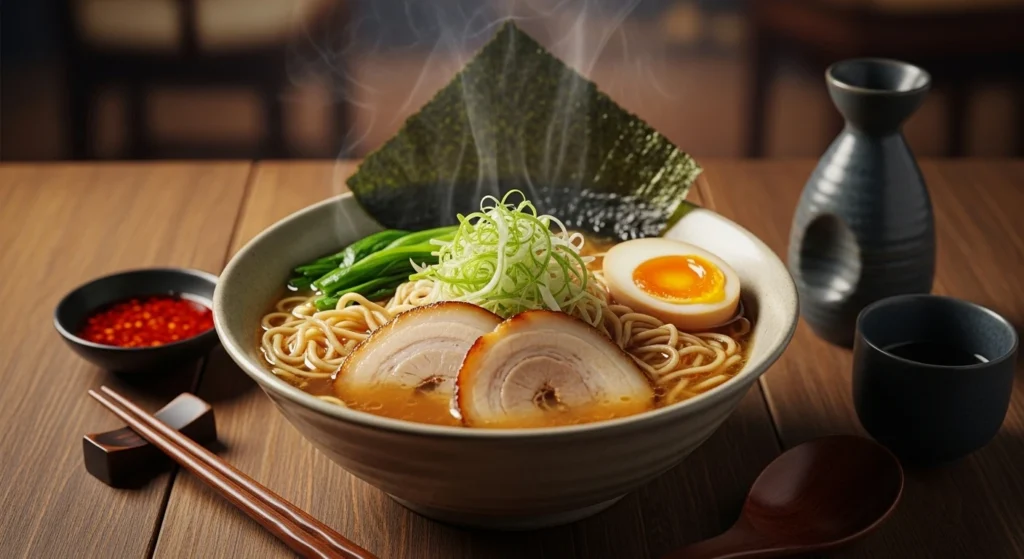
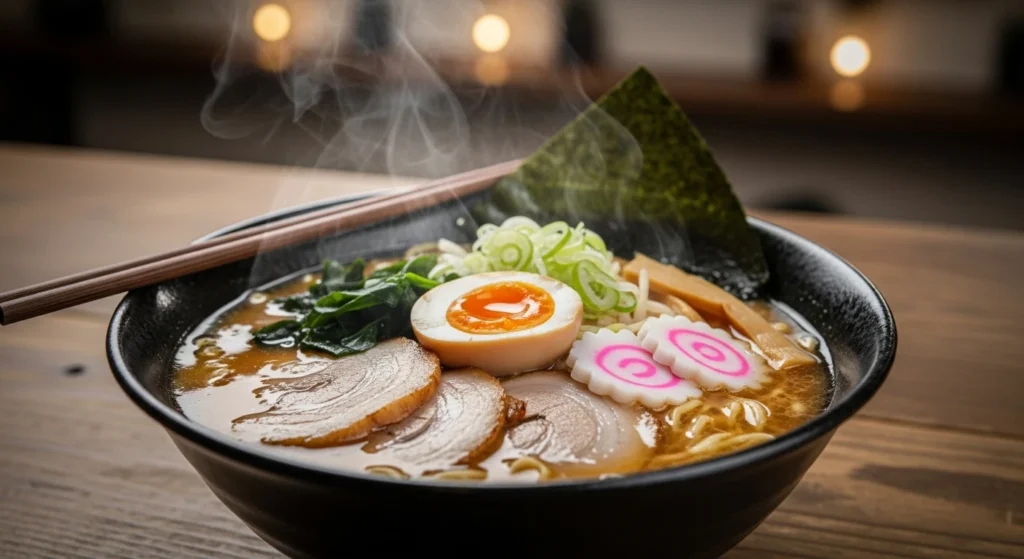
- Chashu (Braised Pork Belly)
- Ajitsuke Tamago (Marinated Soft-Boiled Egg)
- Nori (Seaweed)
- Menma (Fermented Bamboo Shoots)
- Scallions
- Corn, butter, mushrooms, or spinach (regional and creative variations).
Step-by-Step Preparation of Ramen
Making ramen from scratch requires patience, but the result is rewarding. Here’s a simplified guide for beginners:
Step 1: Prepare the Broth
- For tonkotsu broth, simmer pork bones for 12–18 hours until creamy.
- For lighter broths, simmer chicken, vegetables, kombu (kelp), and dried bonito flakes for 4–6 hours.
- Strain and keep warm.
Step 2: Make the Tare
- Shoyu tare: combine soy sauce, mirin, sake, and dashi.
- Miso tare: mix miso paste with garlic, ginger, and sesame oil.
- Shio tare: dissolve sea salt with a little broth and aromatics.
Step 3: Cook the Noodles
- Use fresh ramen noodles if possible.
- Cook in boiling water for 2–3 minutes until springy, then drain.
Step 4: Prepare the Toppings
- Chashu: braise pork belly in soy sauce, sake, and sugar until tender.
- Eggs: boil for 6 minutes, cool, peel, and marinate in soy sauce mix.
- Slice vegetables and prepare garnishes.
Step 5: Assemble the Bowl
- Place 1–2 tablespoons of tare at the bottom of a bowl.
- Add a ladle of hot broth and stir.
- Add cooked noodles.
- Top with chashu, egg halves, scallions, and garnishes.
Step 6: Serve Hot
Serve immediately and slurp your noodles—it’s the traditional way and enhances the flavor!
Health Benefits of Ramen
While instant ramen has a reputation for being unhealthy, authentic ramen made with fresh ingredients has several health benefits:
1. Protein-Rich
- Eggs, pork, or chicken add high-quality protein.
2. Mineral & Vitamin Boost
- Seaweed, mushrooms, and vegetables provide essential nutrients.
3. Gut-Healthy Ferments
- Miso and soy sauce contain probiotics that support digestion.
4. Energy Boost
- Noodles provide carbohydrates for quick energy, making ramen satisfying and filling.
5. Balanced Meal
- With broth, protein, vegetables, and noodles, ramen offers a balanced one-bowl dish when prepared mindfully.
A Note of Caution
Traditional ramen can be high in sodium and fat, so enjoy in moderation or choose lighter versions like shio or vegetable ramen.
Tips for Beginners Making Ramen at Home
- Start with miso ramen—it’s forgiving and full of flavor.
- Use fresh noodles for authentic texture.
- Prepare toppings in advance to save time.
- Experiment with fusion ramen—try spicy, vegan, or seafood twists.
- Don’t stress over perfection; ramen is meant to be comfort food.
Conclusion: A Bowl of Warmth and Tradition
Ramen is more than just noodles in broth—it’s a cultural icon that blends history, artistry, and comfort into a single bowl. From its Chinese origins to its modern global fame, ramen continues to evolve while staying true to its roots.
By learning the basics of broth, noodles, and toppings, anyone can create a delicious bowl of ramen at home. Whether you enjoy the richness of tonkotsu or the lightness of shio, ramen is an invitation to slow down, savor, and connect with Japanese culinary tradition.
So, grab your chopsticks, simmer that broth, and try making your own ramen—it’s a dish that will warm your heart as much as your stomach.