
Sashimi: The Art of Japanese Thinly Sliced Raw Fish
Table of Contents
Introduction
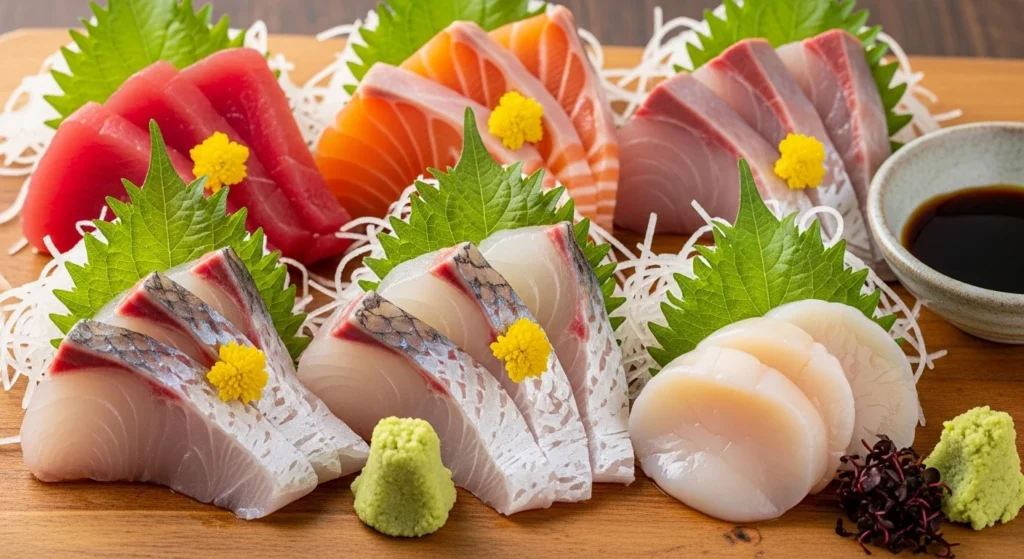
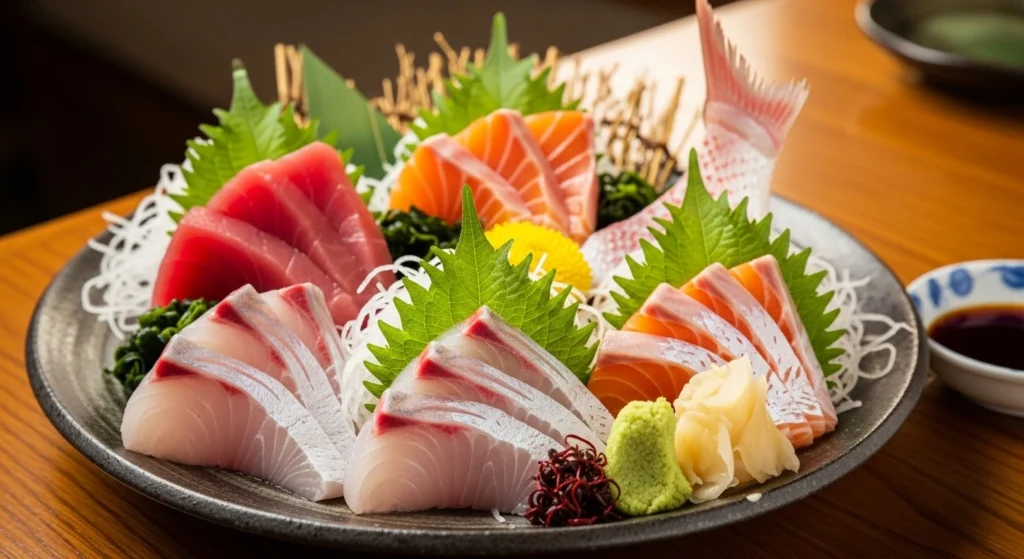
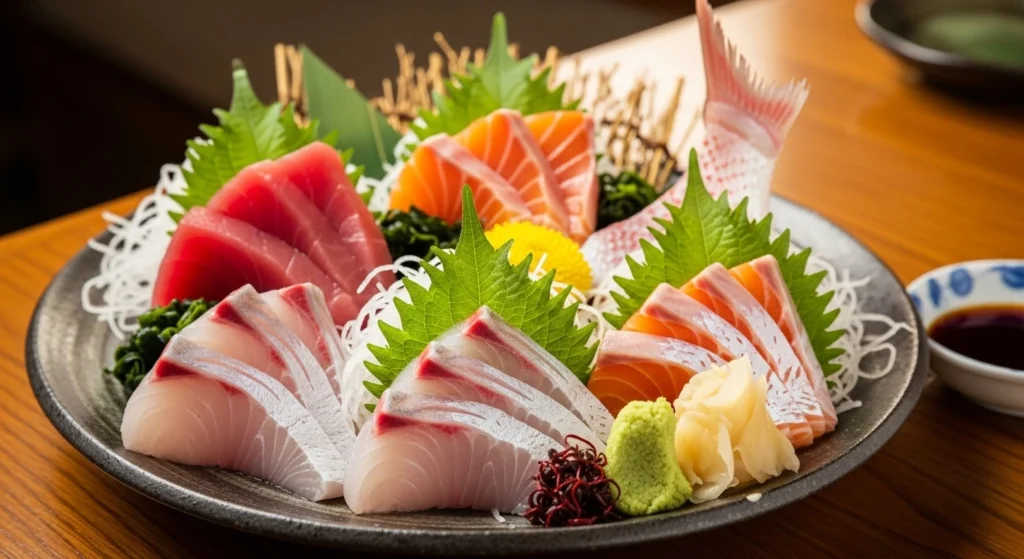
Japanese cuisine is celebrated worldwide for its elegance, balance, and artistry. Among its most iconic dishes, sashimi stands out as a true embodiment of simplicity and refinement. Unlike sushi, which combines rice with toppings, sashimi is simply thinly sliced raw fish or seafood, served with condiments like soy sauce, wasabi, or pickled ginger.
Sashimi is not just food—it’s an experience. Every slice reflects centuries of tradition, attention to detail, and respect for ingredients. Whether you’re a seasoned lover of Japanese cuisine or someone new to exploring raw fish dishes, sashimi offers a delicate, melt-in-your-mouth flavor that’s hard to forget.
In this blog, we’ll take you through the history, traditional ingredients, step-by-step preparation, and health benefits of sashimi.
History of Sashimi
The origins of sashimi trace back to Japan’s Muromachi period (14th–16th century) when raw fish consumption became common among the aristocracy. The word sashimi literally means “pierced body,” referring to the way fish were sliced and served.
Unlike sushi, which gained popularity later as a street food, sashimi was always considered a more formal, refined delicacy. The technique of slicing fish into thin, precise cuts was honed by Japanese chefs over centuries, and it remains an essential skill in Japanese culinary training.
Sashimi has since become a symbol of Japanese food culture, representing purity, freshness, and the chef’s artistry. Today, it’s enjoyed worldwide, from traditional Japanese restaurants to modern fine dining.
Ingredients for Authentic Sashimi
Making sashimi at home requires not only the right fish but also attention to freshness and quality. Here are the essentials:
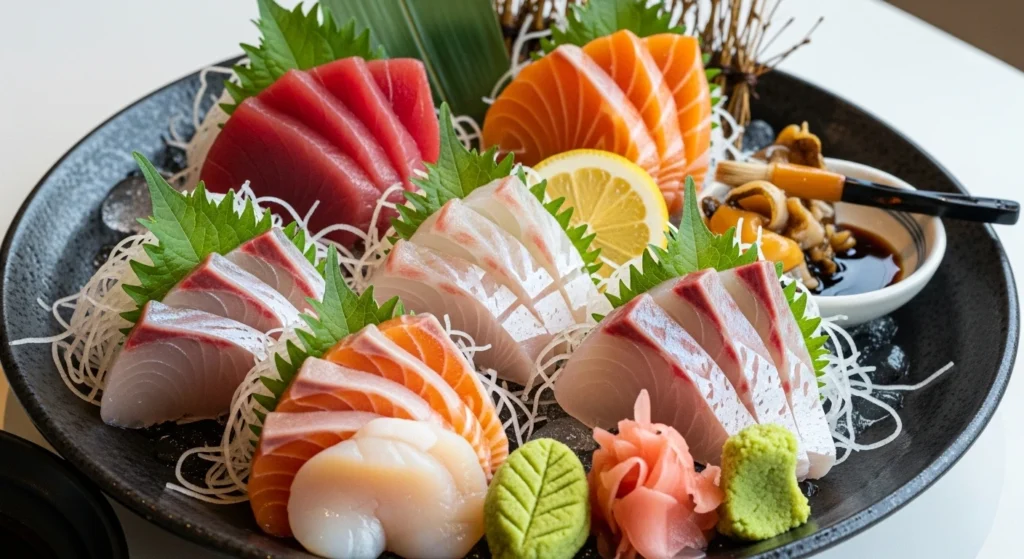
1. Fish and Seafood (Choose Fresh, Sushi-Grade)
- Tuna (Maguro) – popular for its firm texture and rich flavor.
- Salmon (Sake) – buttery, mild, and widely loved.
- Yellowtail (Hamachi) – slightly sweet with a delicate texture.
- Mackerel (Saba) – bold, oily flavor.
- Octopus (Tako) – chewy with a mild taste.
- Shrimp (Ebi) – sweet and tender.
- Squid (Ika) or Scallops (Hotate) – soft and subtle.
2. Condiments & Garnishes
- Soy sauce – for dipping.
- Wasabi – adds heat and enhances flavor.
- Pickled ginger (Gari) – cleanses the palate.
- Shiso leaves – refreshing and aromatic.
- Daikon radish (julienned) – for presentation and freshness.
3. Tools You’ll Need
- A sharp Japanese knife (Yanagiba) for thin, precise slices.
- A clean cutting board (preferably non-porous, reserved only for raw fish).
- Serving plates or wooden trays for presentation.
Step-by-Step Preparation of Sashimi
Making sashimi at home may seem intimidating, but with the right guidance, it can be a rewarding and creative experience.
Step 1: Choose the Right Fish
- Always buy sushi-grade fish from trusted sources.
- Look for bright, firm flesh and no fishy odor. Freshness is non-negotiable in sashimi.
Step 2: Keep Everything Cold
- Keep fish refrigerated until you’re ready to slice.
- Cold fish is easier to cut thinly and safely.
Step 3: Prepare the Cutting Station
- Wash and sanitize your cutting board and knife.
- Arrange garnishes (shiso leaves, daikon radish) on the serving plate.
Step 4: Slice the Fish
- Use long, single strokes with a sharp knife—avoid sawing motions.
- Slices should be about ¼ inch thick, though thickness can vary by type of fish.
- For delicate fish like salmon, angle the knife slightly for cleaner slices.
Step 5: Plate the Sashimi
- Arrange slices neatly over garnishes for visual appeal.
- Traditionally, chefs place lighter-tasting fish first, followed by richer cuts.
Step 6: Serve with Condiments
- Place soy sauce, wasabi, and pickled ginger on the side.
- Enjoy sashimi immediately after slicing for the best taste and texture.
Health Benefits of Sashimi
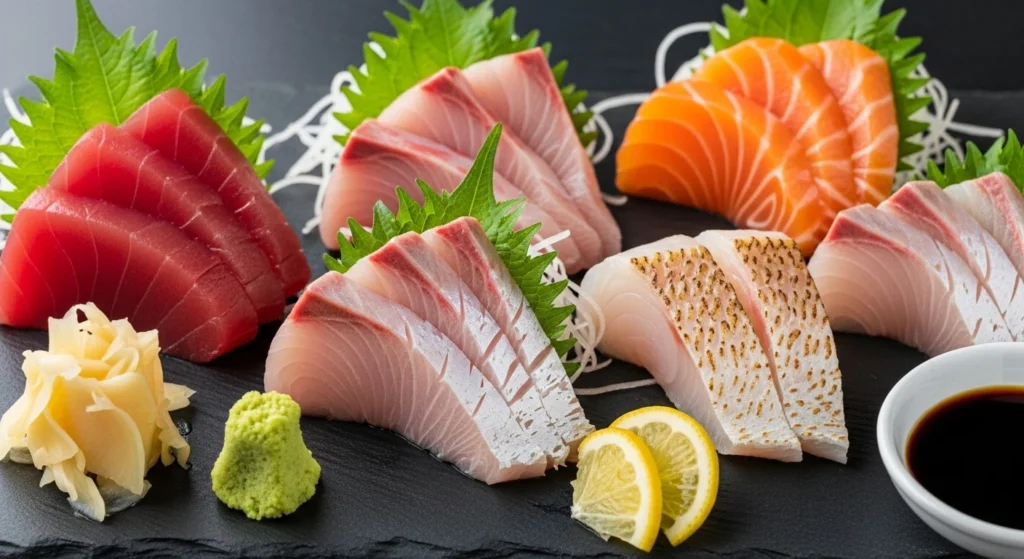
Sashimi isn’t just a treat for the taste buds—it’s also packed with nutrients and health benefits.
1. Rich in Lean Protein
Fish like tuna and salmon provide high-quality protein that supports muscle growth and repair.
2. Heart-Healthy Omega-3 Fatty Acids
Salmon, mackerel, and yellowtail are excellent sources of omega-3s, which promote heart health and reduce inflammation.
3. Low in Calories and Carbs
Unlike sushi rolls, sashimi contains no rice, making it a low-carb, keto-friendly option.
4. Packed with Vitamins and Minerals
Fish provides vitamin D, B vitamins, iodine, and selenium, all essential for overall health.
5. Supports Brain Function
The omega-3 fatty acids in sashimi are linked to improved memory, focus, and cognitive function.
6. Boosts Immunity
Wasabi and ginger, commonly served with sashimi, have natural antibacterial and anti-inflammatory properties.
Tips for Beginners Making Sashimi at Home
- Always buy sushi-grade fish—regular raw fish is not safe to eat.
- Invest in a sharp knife for clean, precise slices.
- Practice plating—sashimi is as much about presentation as taste.
- Start with easy fish like salmon or tuna before trying advanced varieties.
- Eat immediately—freshness is key to both flavor and safety.
Conclusion: Experience the Purity of Sashimi
Sashimi is more than just food—it’s a culinary art form that celebrates freshness, precision, and respect for ingredients. With just a few tools and the right fish, you can recreate this elegant Japanese delicacy at home.
Each bite of sashimi offers a unique taste of the ocean, reminding us of the beauty in simplicity. Whether you enjoy salmon, tuna, or more adventurous varieties, sashimi is an experience worth trying.
So, why not bring the artistry of Japanese cuisine into your kitchen and try making sashimi today? It’s a refreshing, healthy, and delicious way to elevate your dining experience.